
3 Essential Items Needed for Your New Puppy
Bringing home a new puppy is exciting, but it can also feel overwhelming. You want to make sure you have everything your furry friend needs to thrive, and you’re not alone if you’re unsure where to start. Many new puppy owners struggle with choosing the right essentials that support health, comfort, and training.
You’ll want to start with the right puppy food, packed with protein and DHA, to support healthy growth. Next, pick a cozy, easy-to-clean bed that offers security and comfort for your pup’s rest.
Don’t forget effective training tools like a sturdy crate, leash, and treats to encourage good behavior. These essentials set a strong foundation for your puppy’s health and development, and there’s plenty more to take into account to ensure your new friend thrives.
Key Takeaways
- Select high-quality puppy food with balanced nutrients to support healthy growth and development.
- Provide a comfortable, easy-to-clean bed with soft materials and raised edges for safety.
- Use a sturdy crate for housebreaking and creating a secure resting space.
- Choose a durable leash and collar or harness for safe and controlled walks.
- Incorporate training treats and chew toys to encourage positive behavior and prevent destructive chewing.
How to Pick the Right Puppy Food and Feeding Supplies

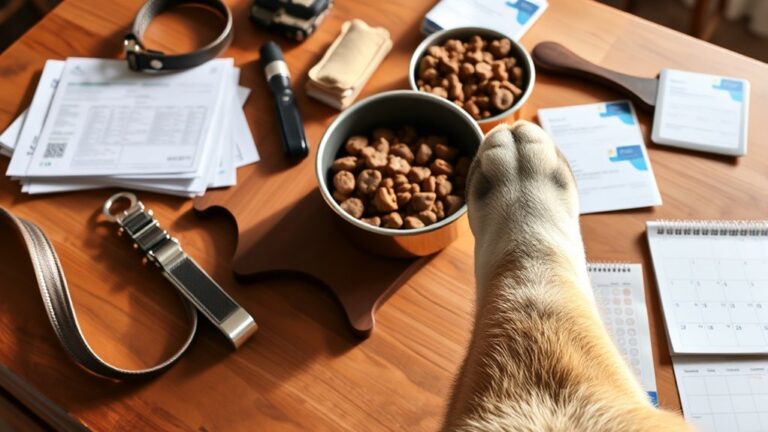
When choosing the right puppy food and feeding supplies, you’ll want to focus on nutrition, quality, and convenience. Start by choosing nutritious options formulated specifically for puppies, as they provide essential nutrients for growth and development.
Look for foods with high protein content, DHA for brain development, and balanced vitamins and minerals. Avoid fillers and artificial additives to keep your pup healthy.
Next, pick feeding bowls that are the right size and easy to clean. Non-slip bases can prevent spills, saving you time and effort.
You’ll also want to create a consistent feeding schedule to support digestion and establish good habits. Feeding schedule tips include offering meals three to four times daily for young puppies, gradually reducing frequency as they grow.
Staying consistent helps your puppy feel secure and supports proper nutrition absorption. By focusing on these elements, you’ll set your new puppy up for a healthy start.
Best Puppy Beds to Keep Your Pup Cozy and Safe
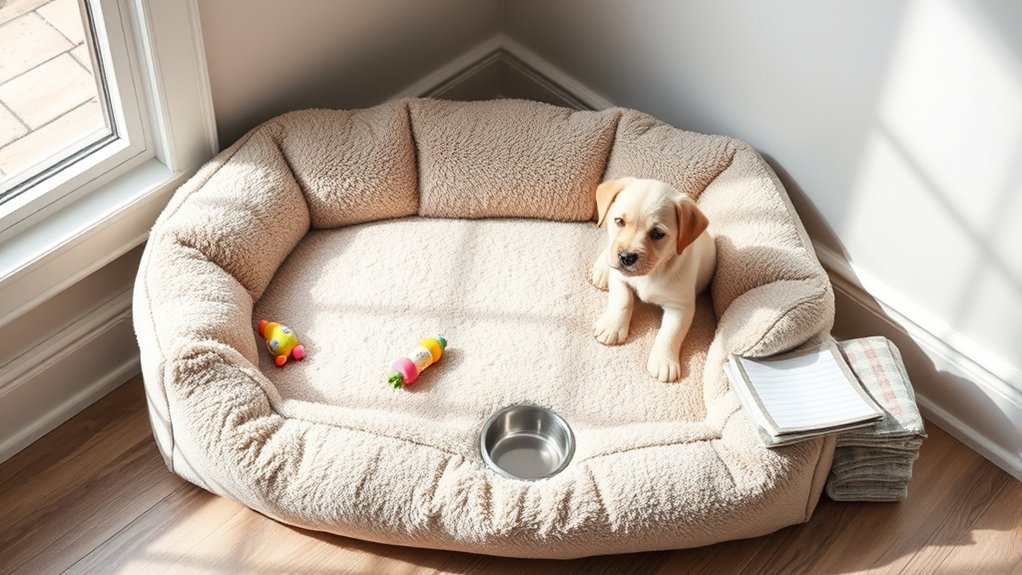
After setting up your puppy’s feeding routine, it’s important to create a comfortable space where they can rest and feel secure. Choosing the best puppy bed plays a big role in ensuring puppy comfort and bed safety. Look for beds with soft, durable materials that support your pup’s growing body and offer cushioning to soothe their joints.
Consider beds with raised edges to give your puppy a sense of security and a place to rest their head. Make sure the bed is easy to clean, as puppies can be messy. Also, avoid beds with small parts or loose stuffing that your pup could chew off and swallow, prioritizing bed safety.
Pick a size that’s just right—not too big or small—so your puppy feels cozy without being cramped. By investing in a quality puppy bed, you provide a safe, comfy haven that helps your new four-legged companion relax and thrive.
Training Tools Every New Puppy Owner Needs
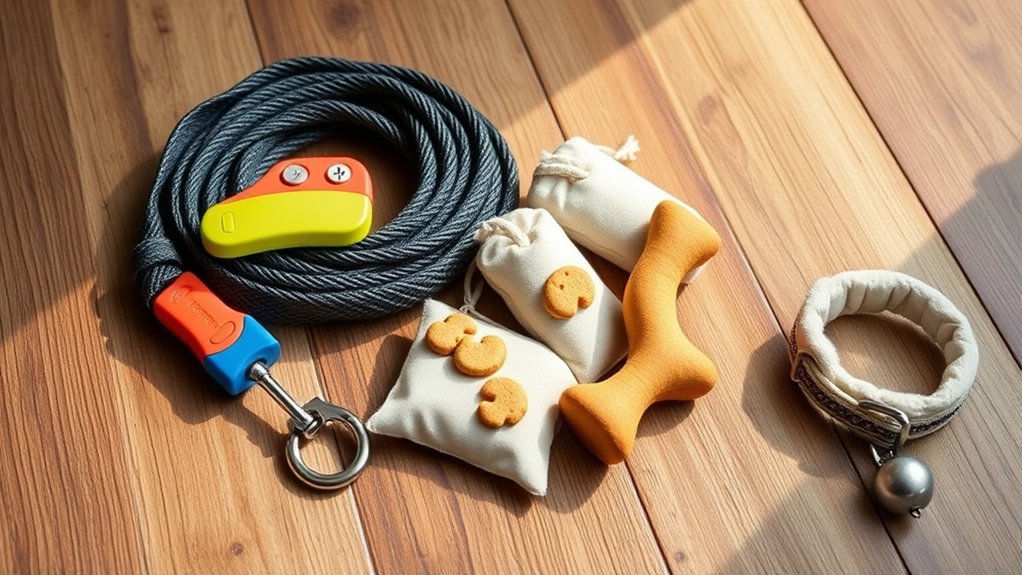
Although puppies are adorable, they need consistent guidance to develop good habits. To help your puppy thrive, you’ll want to gather essential training tools. A sturdy crate is a must-have for crate training, providing your puppy with a safe, comfortable space and aiding housebreaking. Use a properly sized crate to support positive crate training experiences.
Next, invest in a quality leash and collar or harness for controlled walks and puppy socialization. Socializing your puppy early helps them become confident around people and other dogs, reducing future behavioral issues. Training treats are invaluable for reinforcing good behavior during sessions.
Consider a clicker to mark desired actions precisely, speeding up learning. Finally, a chew toy keeps your puppy occupied and discourages destructive chewing. With these tools, you’ll build a strong foundation, making training smoother and your puppy’s adjustment easier. Remember, patience and consistency are key throughout your puppy’s development.
Frequently Asked Questions
How Often Should I Schedule Vet Visits for My New Puppy?
You should schedule vet visits for your new puppy every 3 to 4 weeks until they’re about 16 weeks old to cover vaccinations and checkups. After that, annual visits keep your pup healthy.
While you’re at it, ask your vet about puppy grooming tips and how crate training can support their routine and behavior. Regular vet visits help you catch issues early and keep your puppy happy and thriving.
What Vaccinations Does My Puppy Need and When?
Did you know 90% of puppy illnesses can be prevented with timely vaccinations? For puppy health, follow a vaccination schedule starting at 6-8 weeks with distemper, parvovirus, and adenovirus vaccines.
At 12 weeks, add rabies and bordetella vaccines. Your vet will recommend boosters every 3-4 weeks until 16 weeks old. Staying consistent with this schedule helps protect your puppy from serious diseases and keeps them healthy and happy.
How Can I Puppy-Proof My Home Effectively?
To puppy-proof your home effectively, start by applying childproofing tips like securing electrical cords and locking cabinets with harmful items. Use furniture protection, such as corner guards and slipcovers, to prevent damage and keep your pup safe.
Remove small objects they could swallow and block off restricted areas with baby gates. By taking these steps, you’ll create a safe environment that protects both your puppy and your belongings.
When Should I Start Socializing My New Puppy?
You should start puppy socialization as early as 3 weeks old, continuing actively until about 14 weeks. This period is vital for your puppy’s behavioral development, helping them become confident and well-adjusted.
Introduce them gently to various people, environments, and other animals. Don’t overwhelm your puppy. Keep experiences positive and gradual. Starting socialization early sets the foundation for good behavior and reduces fear or aggression later on.
What Are Common Signs of Illness in Puppies?
You’ll notice common signs of illness in puppies like puppy fatigue, where they seem unusually tired or lethargic. Watch for unusual behaviors such as loss of appetite, vomiting, diarrhea, coughing, or difficulty breathing.
If your puppy is hiding, whining excessively, or showing weakness, these are red flags. Act quickly and contact your vet if you spot any of these signs to keep your puppy healthy and happy.
Conclusion
Bringing a new puppy home is exciting, and having the right gear makes all the difference. Did you know 67% of puppy owners say proper training tools helped avoid behavior problems?
Choosing quality food, a cozy bed, and effective training supplies sets your pup up for a happy, healthy life. With these essentials, you’re not just caring for a pet, you’re building a lasting bond that’ll make every moment together even better.
Remember, these essential items are key to giving your new puppy the best start possible.