

7 Key Annual Costs of Owning a Dog Per Year
If you’re a dog owner, you know how quickly costs can add up, and budgeting for your furry friend can feel overwhelming. You’re not alone—many people struggle with understanding all the expenses that come with owning a dog. From daily needs to unexpected emergencies, having a clear picture of these costs can help you prepare better and keep your pup happy and healthy.
When you own a dog, you’ll need to budget for quality food and healthy treats to support training and health. Routine vet visits, vaccinations, and parasite prevention are essential to avoid costly illnesses.
Investing in pet insurance and setting aside emergency funds helps cover unexpected vet bills. Don’t forget grooming costs to keep your dog comfortable, plus replacing worn accessories and toys for safety.
Keeping up with these guarantees your dog’s well-being, and there’s plenty more you can do to prepare.
Key Takeaways
- High-quality dog food and healthy treats are essential for nutrition and training, but they can significantly add to annual expenses.
- Regular veterinary visits, vaccinations, and parasite preventatives are crucial for disease prevention and maintaining your dog’s health.
- Grooming costs include professional services and at-home supplies. These vary depending on your dog’s breed and activity level.
- Replacement and upgrades of dog accessories, toys, collars, and grooming tools help ensure your pet’s safety and comfort.
- Emergency funds and pet insurance help manage unexpected veterinary bills and provide financial protection when you need it most.
Annual Food and Treats Budget

One of the most consistent expenses you’ll face as a dog owner is the annual cost of food and treats. You need to budget enough to keep your dog well-nourished and motivated, especially if you’re using treats for dog training or behavior modification.
High-quality food supports your dog’s health, while treats play a vital role in reinforcing positive behaviors. When you’re working on training commands or correcting unwanted habits, having the right treats on hand makes a big difference.
High-quality food nourishes your dog, and the right treats reinforce positive behaviors during training and habit correction.
It’s smart to choose treats that are healthy and appropriate in size to avoid overfeeding. Planning your food and treat budget ahead helps you avoid last-minute expenses and guarantees you’re prepared for ongoing training needs.
Keep in mind that treat costs can add up quickly if you rely on them heavily for behavior modification. Sticking to a clear, reasonable budget helps you manage this essential part of dog ownership effectively.
Routine Vet Visits: Dog Preventive Care Costs
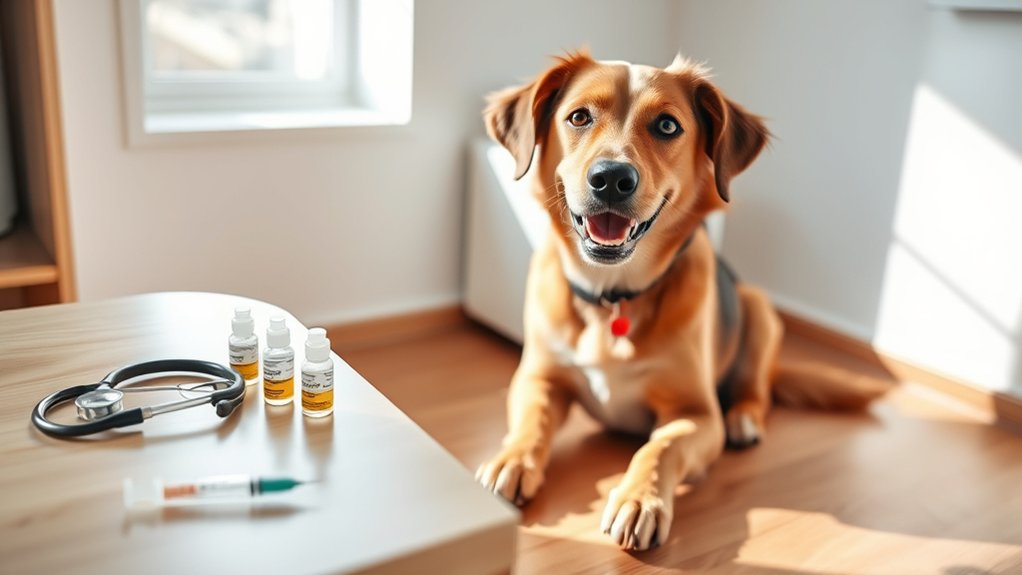
Although preventive care might not seem urgent when your dog is healthy, routine vet visits play a crucial role in catching potential health issues early and keeping your pet in top shape. These visits typically include physical exams, dental checks, and discussions about your dog’s behavior and overall wellbeing.
Addressing behavioral management during vet appointments can reveal stress or anxiety that might affect your dog’s health or training progress.
Regular check-ups also support your dog training efforts by ensuring your pet is physically comfortable and free from underlying issues that could hinder learning. Preventive care costs vary, but budgeting for at least one to two visits annually helps maintain your dog’s health and supports your investment in behavioral development.
Routine vet visits are more than just medical exams; they’re opportunities to refine your dog’s care plan, including training and behavioral strategies, ensuring your dog stays happy, healthy, and well-adjusted year-round.
Vaccinations and Parasite Prevention Essentials

Because vaccinations and parasite prevention protect your dog from serious diseases and discomfort, they should be a top priority in your pet care routine. Sticking to recommended vaccination schedules ensures your dog stays safe from illnesses like rabies, distemper, and parvovirus. Your vet will guide you on timing and types of vaccines needed based on your dog’s age, lifestyle, and local risks.
Equally important are parasite prevention methods to shield your dog from fleas, ticks, heartworms, and intestinal worms. You’ll want to use vet-approved treatments, whether oral, topical, or collars, regularly to keep parasites at bay. These preventatives not only protect your dog’s health but also reduce costly vet visits later.
Pet Insurance for Your Dog: Costs and Benefits
When you consider the unpredictable nature of your dog’s health, investing in pet insurance can provide peace of mind and financial protection. Pet insurance options vary widely, so it’s important to compare plans based on coverage, premiums, and deductibles.
Most policies cover accidents, illnesses, and sometimes routine care, but you should always check for coverage limitations like pre-existing conditions or breed-specific exclusions.
You’ll find plans that reimburse a percentage of your vet bills after a deductible, helping you manage unexpected expenses without draining your savings. While pet insurance adds to your annual costs, it can save you money in the long run by reducing the financial impact of major health issues.
Weigh the costs against potential benefits carefully, and choose a plan that fits your budget and your dog’s needs. This way, you’re prepared for health surprises without stress.
Preparing for Unexpected Dog Emergency Vet Bills
Pet insurance can help cover many health-related expenses, but it’s wise to also prepare for unexpected emergency vet bills that might not be fully covered. Emergency preparedness means setting aside a dedicated fund for these surprise costs. You never know when your dog might need urgent care due to an accident or sudden illness, and those unexpected expenses can quickly add up. Having a financial cushion ensures you can act swiftly without added stress.
Start by estimating potential emergency costs based on your dog’s breed and age. Then, regularly contribute to a separate savings account earmarked specifically for vet emergencies. This proactive approach keeps you ready for anything, giving your pet the best chance at quick treatment.
Grooming Costs: Keeping Your Dog Comfortable Year-Round
You’ll want to plan for regular grooming sessions to keep your dog comfortable and healthy. Whether you go with professional groomers or prefer doing it yourself at home, each choice has its own costs. And if you decide to handle grooming yourself, don’t forget to budget for supplies too.
Regular Grooming Frequency
Grooming your dog regularly helps maintain their comfort and health throughout the year. Consistent grooming supports your dog’s skin, coat, and overall hygiene. It also complements their training and exercise routines by keeping them feeling fresh and active. How often you groom depends on their breed, coat type, and lifestyle.
| Breed Type | Grooming Frequency |
|---|---|
| Short-haired | Every 4-6 weeks |
| Long-haired | Every 3-4 weeks |
| Active outdoor | Every 2-3 weeks |
Regular brushing at home between sessions reduces shedding and mats, saving you time and money. Stay attentive to your dog’s needs and adjust grooming frequency as their activity level and coat condition change throughout the year.
Professional Grooming Expenses
While regular brushing at home helps maintain your dog’s coat, professional grooming provides a deeper clean and specialized care that keeps your dog comfortable and healthy year-round. When you invest in professional grooming, you benefit from expert dog grooming techniques tailored to your pet’s breed, coat type, and skin condition.
Groomers also handle tasks like nail trimming, ear cleaning, and dematting that are tricky to manage alone. Though it adds to your annual expenses, this service prevents costly health issues later on. Plus, you don’t have to worry about grooming tool maintenance yourself, as professionals use well-maintained, high-quality tools to ensure effective and safe grooming.
This convenience and expertise make professional grooming a key part of responsible dog ownership.
At-Home Grooming Supplies
Although professional grooming offers expert care, maintaining your dog’s coat between appointments requires quality at-home grooming supplies. These tools help keep your pup comfortable year-round and can complement your dog training and exercise routines by promoting a clean, healthy environment. Investing in the right supplies ensures you’re prepared to handle shedding, dirt, and occasional matting.
Consider these essentials for at-home grooming:
- A durable slicker brush to remove loose fur and prevent tangles
- Nail clippers or grinders to keep nails trim and avoid discomfort
- Dog-friendly shampoo for regular baths without irritating sensitive skin
Using these supplies regularly supports your dog’s well-being and keeps grooming manageable. With proper tools, you’ll reinforce positive dog training habits and ensure your canine companion stays happy and healthy between professional grooming sessions.
Dog Supplies and Accessories: Replacement and Upgrades
Your dog’s supplies and accessories need regular replacement and occasional upgrades to keep them safe, comfortable, and happy. Dog toys, for example, wear out over time, so you’ll want to monitor dog toy durability closely.
Chewed-up or broken toys can pose choking hazards, so replacing them promptly is essential. Furthermore, staying updated with accessory style trends can help you choose functional items that also suit your taste and your dog’s personality.
Collars, leashes, beds, and feeding bowls may need upgrades to improve comfort or durability. Sometimes, newer materials or designs offer better safety or ease of use.
Budgeting for these periodic replacements ensures your dog’s environment remains inviting and secure. By regularly evaluating the condition of your dog’s gear and embracing timely upgrades, you maintain a happy, healthy lifestyle for your canine companion without surprises.
Frequently Asked Questions
How Much Does Training and Obedience Classes for Dogs Typically Cost?
You’ll typically spend between $100 and $300 for basic training and obedience classes. These sessions teach you effective training techniques, helping your dog learn commands and good behavior.
Some classes also include obedience tools like clickers or leashes to reinforce learning. If you want advanced or private lessons, costs can go higher.
Investing in training guarantees your dog’s well-being and your peace of mind.
What Are the Costs Associated With Dog Boarding or Pet Sitting?
You know what they say, “You get what you pay for.” In terms of dog boarding or pet sitting, costs can vary widely. You’ll typically pay $25 to $85 per day, depending on location and services.
Some places include dog grooming or extra care during veterinary visits, which can raise the price. It’s smart to factor in these added services to avoid surprises and ensure your pup’s well-being while you’re away.
How Do Dog License Fees Vary by Location and Breed?
Dog license fees vary widely depending on where you live and your dog’s breed. Some areas charge higher fees or impose breed restrictions, especially for breeds considered dangerous. You’ll often pay more if your dog falls under these categories.
Keep in mind, you’ll need to handle license renewal annually or biannually, depending on local rules. Staying on top of this helps you avoid fines and keeps your pup legally registered.
What Are the Expenses for Dog Daycare Services Annually?
You’ll spend around $2,000 to $5,000 annually on dog daycare services, depending on how often you use them. While daycare keeps your dog social and active, don’t forget about dog grooming and unexpected veterinary bills that add to your yearly costs.
Grooming helps maintain their coat and health, and vet visits cover vaccinations or emergencies. Balancing these expenses guarantees your dog stays happy and healthy throughout the year.
How Much Should I Budget for Dog Travel and Transportation Costs?
You should budget around $500 to $1,000 annually for dog travel and transportation costs. Did you know 37% of pet owners skip trips because of travel hassles?
Along with dog food expenses and veterinary supply costs, travel adds up quickly. Whether it’s flights, pet taxis, or boarding fees, these costs can surprise you.
Planning ahead helps keep your loyal companion comfortable without breaking the bank.
Conclusion
Owning a dog comes with various annual costs, but these expenses guarantee your furry companion stays happy and healthy. From food and routine vet visits to grooming and emergency care, planning ahead keeps surprises at bay.
Isn’t your dog’s well-being worth every penny? By budgeting for these essentials, you’re not just spending money—you’re investing in years of companionship and love.
Remember, a well-cared-for dog is a joyful dog, and understanding the key annual costs of owning a dog helps you provide the best life possible.