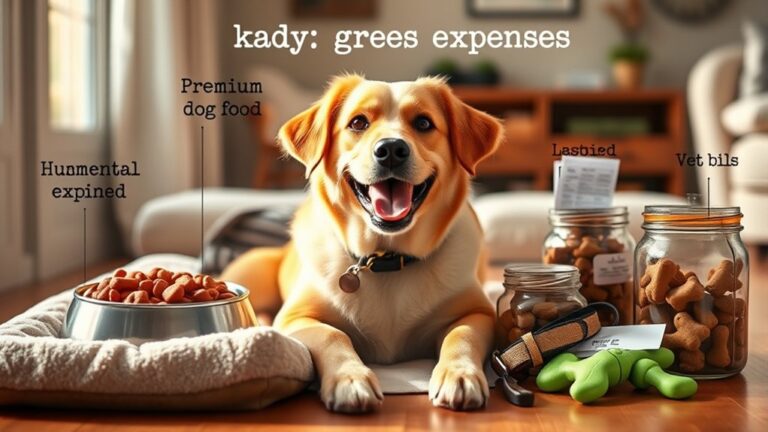

How Much Do Dogs Cost per Month?
Wondering how much dogs cost per month? You’re not alone. Many people struggle to budget for their furry friends because expenses can quickly add up.
From food to vet visits, it’s tough to know what to expect or how to plan effectively.
You’ll usually spend between $100 and $200 each month on your dog’s food, grooming, vet care, and essentials, but costs vary depending on breed, size, and lifestyle.
Small dogs eat less and groom cheaper, while larger breeds need more food and specialized care.
Preventive vet visits and occasional daycare add to expenses.
Managing these costs with budgeting and insurance can help avoid surprises.
Keep exploring to understand ways to save and plan effectively for your pup’s needs.
Key Takeaways
- Monthly dog care costs typically range from $100 to $200, covering food, grooming, and routine veterinary care.
- Dog food expenses vary by size and diet, averaging $30 to $60 per month. Larger breeds usually cost more.
- Routine vet visits and vaccinations cost $50 to $100 per visit. These are essential for preventive healthcare and long-term savings.
- Additional expenses like dog walking, daycare, toys, and grooming can significantly increase monthly costs.
- Pet insurance and budgeting strategies help manage unexpected expenses and reduce overall monthly costs.
What Are the Average Monthly Costs of Owning a Dog?

While the cost of owning a dog varies, you can expect to spend an average of $100 to $200 per month on essentials like food, grooming, and routine vet care. Understanding dog behavior helps you anticipate their needs, which can affect your monthly expenses.
For instance, dogs with certain behavioral traits may require specific training techniques or additional supplies that impact your budget. Investing time in proper training techniques early on can prevent costly behavioral problems later, saving you money on damage repairs or professional help.
Grooming costs depend on your dog’s breed and coat type, and routine vet visits help keep your dog healthy, preventing expensive medical issues. When you’re budgeting, consider that the monthly average might fluctuate based on your dog’s unique needs and personality.
How Much Does Dog Food Cost Each Month?

You’ll find that dog food costs can vary quite a bit depending on the type you choose. Whether it’s dry kibble, premium wet food, or even raw diets, the price tag changes with each option. On average, you might spend anywhere from $30 to $60 a month. Of course, this depends on your dog’s size and dietary needs. Knowing these options can really help you plan your monthly budget more easily.
Types Of Dog Food
How much you spend on dog food each month depends largely on the type you choose. Your dog’s nutrition and feeding schedules play key roles in this decision. Here are common types of dog food to consider:
Dry kibble: Convenient and cost-effective, it supports dental health but varies in quality.
Wet food: More palatable and hydrating, often pricier, and best for picky eaters.
Raw or homemade diets: Tailored nutrition, but requires careful planning to ensure balanced feeding schedules and avoid deficiencies.
Each type affects your monthly budget differently, so weigh your dog’s nutritional needs and your lifestyle. Remember, consistency in feeding schedules also helps maintain their health and can influence how much food they consume. Your choice impacts both your dog’s well-being and your expenses.
Average Monthly Food Expense
Because dog food varies widely in type and quality, your monthly expenses can differ considerably. The average monthly food cost depends largely on your dog breed, as larger breeds eat more and smaller breeds less.
For example, a small breed may cost around $20 to $40 per month, while a large breed could easily require $50 to $100 or more. Pet nutrition is vital, so you’ll want to invest in high-quality food tailored to your dog’s age, size, and health needs.
Specialized diets or premium brands typically raise costs but guarantee balanced nutrition. Ultimately, budgeting for dog food means considering both quantity and quality to keep your loyal companion healthy without overspending.
What Do Routine Vet Visits and Vaccines Typically Cost?

Although routine vet visits and vaccines may seem like small expenses, they play an essential role in keeping your dog healthy and preventing costly health issues down the line. Regular check-ups help catch problems early, reducing the risk of expensive veterinary emergencies. On average, you can expect to spend about $50 to $100 per visit, with vaccines costing an additional $15 to $30 each.
Here’s what routine vet care typically involves:
- Annual wellness exams to monitor your dog’s overall health
- Core vaccines like rabies, distemper, and parvovirus
- Preventative treatments for fleas, ticks, and heartworms
Keep in mind, while dog grooming isn’t part of vet care, it complements health maintenance by preventing skin infections and discomfort. Investing in these routine costs saves you from unexpected bills and keeps your loyal companion happy and thriving.
How Can Pet Insurance Help Manage Unexpected Vet Bills?
When unexpected health issues arise, pet insurance can ease the financial burden by covering a significant portion of your dog’s medical expenses. You never know when accidents or illnesses might strike, so having pet insurance is a smart step toward maintaining your dog’s health without breaking the bank. It helps you stay prepared for emergencies and gives you peace of mind that costly vet bills won’t catch you off guard.
By paying a manageable monthly premium, you can avoid large, unexpected expenses that come with emergency vet visits or treatments. This financial safety net supports emergency preparedness, so you can focus on your dog’s recovery instead of stressing over payments. Pet insurance often covers diagnostics, surgeries, medications, and sometimes even chronic condition management, depending on the plan.
Investing in pet insurance is a proactive way to protect your dog’s well-being and your wallet. It helps you manage the unpredictable costs of pet ownership effectively.
What Are Typical Grooming Costs by Dog Size and Breed?
If you want to keep your dog looking and feeling their best, understanding grooming costs based on size and breed is essential. Grooming frequency and breed-specific grooming needs play a big role in your monthly budget. Smaller dogs generally require less product and time, while larger breeds might demand more frequent visits and specialized care.
Here’s a quick breakdown of typical grooming costs by dog size and breed:
- Small breeds (like Chihuahuas or Dachshunds): $30 to $50 per session, usually every 6 to 8 weeks
- Medium breeds (such as Beagles or Bulldogs): $50 to $70 per session, grooming every 4 to 6 weeks
- Large breeds (like Golden Retrievers or Poodles): $70 to $100 or more per session, often needing breed-specific grooming every 4 to 6 weeks
Keep in mind that coats requiring extensive trimming or maintenance will increase grooming frequency and cost. Planning ahead helps you manage these expenses effectively.
How Much Does Training and Socializing Your Dog Cost?
You’ll want to budget for training classes, which can vary depending on the type and length of sessions. Socializing your dog might also include costs for group activities or doggy daycare. Both are important investments to help your dog develop good behavior and confidence.
Training Class Expenses
How much does training and socializing your dog typically cost each month? When you enroll in dog training classes, expenses can vary depending on the type and frequency of sessions. Professional dog training focuses on effective techniques tailored to your dog’s needs.
Here’s what you might expect to pay monthly:
- Group classes: $30 to $80 per session, often held weekly
- Private sessions: $50 to $120 per hour, offering personalized guidance
- Specialty training (e.g., agility or behavior modification): $40 to $100 per session
These costs add up, but investing in quality dog training helps your dog learn essential skills and manners. Staying consistent with training techniques ensures both you and your furry friend enjoy a well-behaved, happy companionship.
Socialization Activity Costs
Wondering what socializing your dog will cost each month? Socialization activity expenses can vary depending on the types of classes or group meetups you choose. Basic group training sessions typically range from $30 to $60 per class, often held weekly.
Don’t forget to factor in pet transportation costs if you need to travel to these events. Gas, rideshares, or pet-friendly transit can add up. Some owners also invest in dog grooming after social outings to keep their pet clean and comfortable, which might cost $40 to $70 monthly.
If you join dog parks or playgroups, those are generally free but may require occasional spending on toys or treats. Overall, budgeting around $50 to $100 monthly for socializing activities is a reasonable estimate.
How Do Toys, Supplies, and Accessories Add to Monthly Costs?
Although toys, supplies, and accessories might seem like small expenses, they can quickly add up in your monthly budget for your dog. You’ll want to evaluate how dog toy durability affects replacement frequency. Cheap toys wear out fast, while durable ones cost more upfront but last longer.
Accessory maintenance, like cleaning beds or grooming tools, also requires time and sometimes additional products, adding to costs.
Here are some common items that can impact your monthly expenses:
- Durable chew toys and interactive toys to keep your dog engaged
- Cleaning supplies and replacement parts for collars, leashes, and harnesses
- Seasonal accessories such as raincoats or cooling mats for comfort
What Are the Monthly Costs of Dog Walking and Daycare?
If you’re busy during the day, dog walking services usually cost between $15 and $30 per walk. It really depends on where you live and the walker’s experience.
Daycare fees can vary quite a bit too, often ranging from $20 to $50 per day. This usually depends on the location and what kind of amenities they offer.
Knowing these costs ahead of time can help you plan better for your dog’s care without any surprises down the road.
Dog Walking Price Range
How much will dog walking and daycare add to your monthly expenses? Dog walking prices can vary based on location, duration, and service frequency. On average, you might spend between $15 and $30 per walk. Monthly costs depend on how often your dog needs exercise outside your daily routine.
Consider these factors when budgeting: frequency of walks per week, length of each walk (typically 30 to 60 minutes), and additional services like dog grooming or pet accessories offered by some walkers.
Keep in mind, regular dog walking supports your pet’s health and complements grooming needs. While dog walking fees fluctuate, planning for these expenses guarantees you can provide consistent care without surprises.
Daycare Service Fees
Beyond dog walking, daycare services can considerably impact your monthly budget. Daycare fees typically range from $15 to $40 per day, depending on location and amenities.
If you use daycare five days a week, expect to spend between $300 and $800 monthly. Many facilities also offer add-ons like dog grooming, which can add $30 to $90 per session, and pet transportation services for convenient drop-offs and pickups, often costing an extra $10 to $25 per trip.
These extras improve your dog’s care but increase expenses. To manage costs, consider how often your canine companion truly needs daycare versus walking or home care. Knowing these fees helps you budget accurately and ensures your furry friend gets the attention and care they deserve without surprises.
How Do Breed and Size Affect Your Dog’s Monthly Expenses?
Because breed and size influence your dog’s needs, they directly impact your monthly expenses. Larger dogs typically eat more, so your food budget will rise. Certain breeds come with breed-specific health concerns, meaning vet bills and medications may fluctuate depending on your dog’s genetic predispositions.
Moreover, seasonal grooming needs vary by breed and coat type, affecting grooming frequency and cost.
Here’s how breed and size influence your monthly expenses:
- Food & Treats: Bigger breeds need more calories, increasing feeding costs.
- Healthcare: Some breeds require regular screenings or treatments for common ailments.
- Grooming: Dogs with thick or long fur may need more frequent grooming, especially during shedding seasons.
Tips for Budgeting and Saving Money on Dog Care
Although caring for a dog can be costly, you can manage your budget effectively by planning ahead and making smart choices. Start by researching affordable yet nutritious pet nutrition options. Buy in bulk or look for sales to save money without compromising your dog’s health. Preparing homemade meals occasionally can also reduce food costs while ensuring balanced nutrition.
Keep veterinary expenses in check by scheduling regular check-ups and vaccinations to prevent costly illnesses later. Look for low-cost clinics or pet insurance plans that fit your budget. Preventive care like flea control and dental hygiene can also avoid expensive treatments down the road.
You can save on supplies by shopping during sales or using coupons. Consider DIY grooming for simpler breeds. Finally, staying organized with a monthly budget helps you track expenses and avoid surprises. By planning and prioritizing, you’ll provide excellent care without straining your finances.
Frequently Asked Questions
What Initial Costs Are Involved When Adopting a Dog?
When adopting a dog, you’ll face several initial costs. You’ll need to buy dog food to keep them nourished and grooming supplies to keep them clean and healthy.
Don’t forget vet visits for vaccinations and check-ups, plus a collar, leash, and maybe a crate or bed. These essentials add up, so be ready to invest time and money upfront to give your new canine companion a great start.
How Do Emergency Medical Expenses Impact Overall Dog Ownership Costs?
Imagine a sudden midnight dash to the vet, your worried pup trembling. Veterinary emergencies can skyrocket your costs with unexpected treatments, from surgeries to medications.
These surprise expenses can disrupt your budget, making dog ownership more costly than regular care. You’ll want to prepare by setting aside an emergency fund or investing in pet insurance.
That way, when the unexpected happens, you’re ready to give your dog the care they need without financial stress.
Are There Costs Associated With Licensing or Registering a Dog?
Yes, you’ll often have to pay for licensing or registering your dog, which varies by location. These fees help fund local animal services.
While managing costs like dog grooming and pet insurance, don’t forget licensing. It’s usually an annual expense.
Keeping your dog licensed can prevent fines and help if they get lost. So, add licensing fees to your budget alongside grooming and insurance to keep everything covered.
What Are the Expenses Related to Travel or Boarding for Dogs?
When you travel, your dog’s travel expenses can include pet-friendly transportation fees, accommodations, and sometimes extra charges for dog grooming before or after the trip.
If you can’t take your dog with you, boarding costs add up, especially if grooming is included to keep your pet comfortable and clean.
Planning ahead helps you manage these expenses and guarantees your dog stays happy and healthy while you’re away.
How Does Owning Multiple Dogs Affect Monthly Expenses?
Managing multiple mutts means multiplying monthly money matters. When you compare costs, owning more dogs usually bumps up your budget because each pooch needs food, vet visits, and supplies.
However, some expenses like toys or grooming tools might overlap, offering slight savings. For better budget planning, track each dog’s needs carefully to avoid surprises. Being proactive helps you balance the cost comparison and keep your furry family happy without financial fuss.
Conclusion
Owning a dog is like nurturing a blooming garden. You’ll invest time, love, and money each month to keep it thriving. From food to vet visits, grooming to toys, costs can add up.
But planning ahead turns surprises into gentle rains instead of storms. By budgeting wisely and choosing insurance, you’ll keep your loyal companion’s tail wagging without draining your wallet.
Welcome the journey. How much do dogs cost per month? It’s worth every penny and wag!