
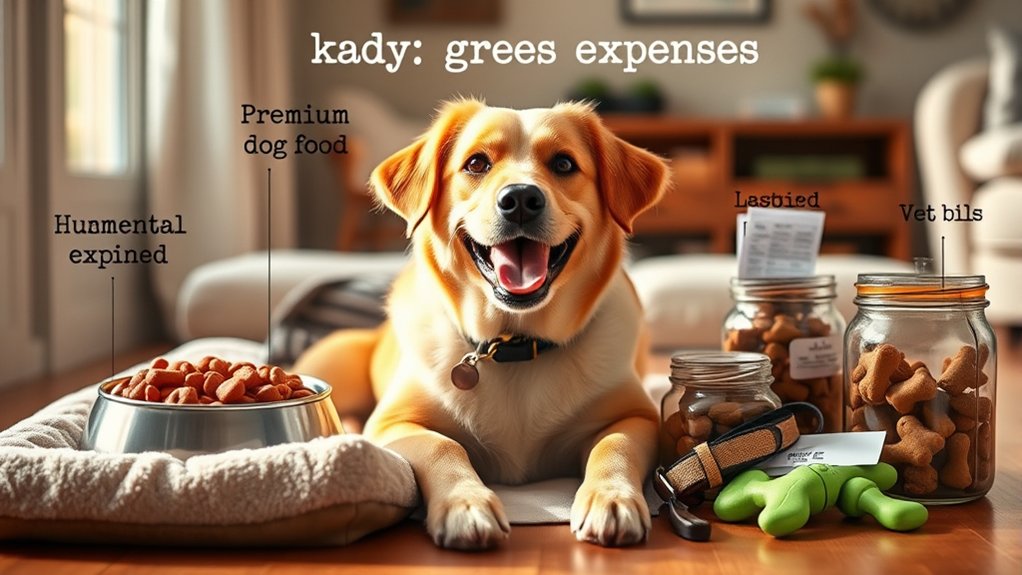
7 Key Expenses in the Average Monthly Cost of a Dog
Trying to budget for a dog can feel overwhelming, especially when you’re not sure where your money will go. You’re not alone—many dog owners struggle to balance giving their furry friends the best care while managing monthly costs.
Understanding the key expenses can make this easier and help you plan ahead with confidence.
When budgeting for your dog, you’ll face seven key monthly expenses: quality food and treats, routine vet visits with vaccinations, grooming tailored to their coat, and essential training plus socialization costs.
You’ll also need to invest in supplies like collars and toys, consider pet insurance for unexpected health bills, and prepare an emergency fund for vet visits.
Managing these helps keep your pup healthy and happy, and there’s plenty more to investigate on balancing costs with thorough care.
Key Takeaways
- Food and treats, including specialized diets and premium snacks, form a major part of monthly dog expenses.
- Routine veterinary care covers regular checkups, vaccinations, and preventative medications. These are essential for keeping your dog healthy.
- Grooming costs vary by breed and include bathing, nail trimming, brushing, and either professional or DIY services.
- Training and socialization expenses include classes, daycare, private lessons, and activities that help develop good behavior.
- Pet insurance and emergency preparedness help manage unexpected medical costs and provide financial security.
Monthly Food and Treats: What to Budget for Your Dog’s Diet

Although your dog’s monthly food and treat costs can vary, you should expect to budget a significant portion of your expenses here. When planning your dog’s diet, diet customization plays an essential role. You’ll want to select food that meets your dog’s specific nutritional needs, whether that’s grain-free, high-protein, or tailored for any allergies or health conditions.
This customization guarantees your dog stays healthy and happy, but it may affect your monthly budget. In addition to regular meals, treats variety is important for training, rewarding good behavior, and keeping your dog engaged. Offering a range of treats can prevent boredom and encourage positive habits.
Keep in mind, premium treats or specialty items can increase your costs. By balancing quality food and a well-chosen variety of treats, you’ll provide the nutrition and enjoyment your dog deserves without overspending. Budgeting carefully here saves you surprises later.
Keeping Your Dog Healthy: Routine Vet Visits and Preventative Care

It’s a good idea to schedule regular vet checkups so you can catch any health issues early on. Plus, preventative treatments like vaccinations and flea control are super important to keep your dog feeling their best. Just keep in mind, these visits and treatments are something you’ll want to factor into your monthly budget.
Regular Health Checkups
How often should your dog visit the vet to stay healthy? Typically, a yearly checkup is essential, but puppies and senior dogs might need more frequent visits. Regular health checkups help catch issues early, saving money and stress later on.
During these visits, vets assess your dog’s overall health and can advise on dog grooming needs, which also supports wellness. Plus, having pet insurance can ease the cost burden of unexpected health problems.
Here’s what to expect during a routine checkup:
- Physical examination to monitor weight and condition
- Dental health assessment
- Vaccination updates and record review
- Discussion about diet, exercise, and grooming routines
Staying proactive with vet visits keeps your canine companion happy and healthy.
Essential Preventative Treatments
Regular vet visits are just one part of keeping your dog healthy; preventative treatments play a big role too. These treatments include vaccinations, flea and tick prevention, and heartworm medication, which protect your dog from common diseases and parasites.
Staying on top of these can save you from costly health issues later. Alongside these treatments, focusing on pet nutrition ensures your dog’s immune system stays strong and supports overall well-being.
Good nutrition combined with proper training techniques helps reduce stress and behavioral problems, contributing to a healthier dog. By investing in essential preventative care, you’re not only safeguarding your canine companion’s health but also managing your monthly expenses effectively.
Preventative steps keep your loyal pet happy and thriving for years to come.
Grooming Costs: How to Keep Your Dog Clean and Comfortable

Although grooming needs vary by breed and coat type, keeping your dog clean and comfortable often requires a consistent routine. Dog grooming isn’t just about aesthetics. It promotes healthy skin, reduces shedding, and prevents infections.
To start, invest in quality bathing essentials like dog shampoo, conditioner, and a gentle brush suited for your dog’s coat. Regular grooming sessions help avoid costly vet visits down the line.
Here are key grooming tasks to contemplate:
- Bathing every 4-6 weeks using dog-friendly products
- Brushing to remove loose fur and prevent mats
- Trimming nails to avoid discomfort and injury
- Cleaning ears to prevent infections and buildup
You can choose professional grooming services or handle some tasks yourself to manage costs. Remember, maintaining your dog’s hygiene boosts their comfort and well-being, making grooming an essential part of your monthly expenses.
Dog Training and Socialization: Monthly Costs to Expect
Training and socializing your dog can involve several expenses each month, but investing in these areas pays off with a well-behaved and confident pet. Dog training classes typically cost between $30 and $80 per session, depending on group size and trainer expertise. Many owners attend weekly sessions, so you might budget around $120 to $320 monthly for consistent training.
Beyond formal classes, socialization opportunities, such as doggy daycare or supervised playgroups, can range from $15 to $40 per visit. These experiences help your dog develop good manners and reduce anxiety around other dogs and people. If you prefer private lessons, expect higher costs, often $50 to $100 per hour, but they provide tailored guidance.
Dog Supplies and Toys: Essential Monthly Expenses
You’ll want to have some essential supplies on hand to keep your dog comfortable and happy every month. Plus, offering a variety of toys isn’t just fun for your pup—it also helps support their mental and physical health.
When you plan your budget for these accessories, it makes it easier to avoid any unexpected costs. That way, you can give your furry friend the best care without any surprises.
Must-Have Supplies
Every dog owner knows that having the right supplies is essential for your pet’s comfort and happiness. Depending on your dog breed selection, some supplies will be more important than others, especially when considering seasonal clothing to keep your dog warm or cool.
To keep your loyal companion comfortable and healthy, you’ll want to invest in these must-have supplies each month:
- Durable leash and collar tailored to your dog’s size and breed
- Comfortable bed suited to your dog’s resting habits
- Seasonal clothing like sweaters or cooling vests based on weather
- Grooming essentials including brushes and nail clippers
These essentials not only support your dog’s daily needs but also ensure you’re prepared for changes in weather and activity levels. This way, your pet’s life stays safe and enjoyable.
Toy Variety Benefits
While durable supplies are essential, rotating a variety of toys keeps your dog mentally stimulated and physically active. Offering different textures and shapes provides sensory stimulation, which helps prevent boredom and destructive behavior.
When you incorporate toys designed for interactive play, you strengthen your bond and challenge your dog’s problem-solving skills. Puzzle toys or treat dispensers engage their mind, while chew toys support dental health.
By regularly switching up the toys, you maintain your dog’s interest and encourage exercise. This variety not only enriches their daily routine but also promotes overall well-being.
Keeping a diverse toy collection ensures your dog stays happy and healthy without relying on just one type of entertainment. This approach makes your investment in dog supplies more effective every month.
Budgeting for Accessories
Keeping your dog’s playtime fresh with a variety of toys means you’ll need to plan your spending carefully. Accessories like a durable dog collar and leash accessories are essential for daily walks and safety. Budgeting wisely helps you avoid overspending while ensuring your pup stays engaged and secure.
Here are key items to contemplate monthly:
- Replacement dog collar for wear and tear
- Different leash accessories, like clips or handles
- Interactive toys to stimulate your dog’s mind
- Chew toys to support dental health
Pet Insurance for Dogs: Monthly Costs and Benefits
Although pet insurance adds another monthly bill, it can save you from unexpected vet expenses that quickly add up. When choosing a policy, consider your dog breed selection carefully, as certain breeds are prone to specific health issues, affecting your premiums.
Pet insurance policies vary widely in coverage and cost, so compare plans to find one that fits your budget and your dog’s needs. Most policies cover accidents, illnesses, and sometimes routine care, giving you peace of mind.
Monthly costs typically range from $20 to $60, depending on factors like your dog’s age, breed, and coverage level. By investing in pet insurance, you protect yourself from surprise expenses that could disrupt your finances.
Ultimately, it’s about balancing the monthly cost against the potential savings if your dog requires significant medical care. This way, you can keep your canine companion healthy without breaking the bank.
Emergency Vet Bills: How to Prepare and Save
If your dog faces a sudden injury or illness, emergency vet bills can quickly become overwhelming. To avoid financial stress, focus on emergency preparedness and veterinary savings. Start by setting aside a dedicated emergency fund specifically for unexpected vet visits.
Having pet insurance can also help cover costly treatments, giving you peace of mind. Knowing nearby 24/7 emergency clinics and their costs ensures you’re ready when time is critical. Finally, keeping a first aid kit and learning basic pet first aid can reduce the urgency and severity of some emergencies.
Pet insurance and knowing emergency clinic costs provide peace of mind during critical pet emergencies.
Here are key steps to prepare and save:
- Build an emergency vet fund with monthly contributions
- Compare pet insurance plans for coverage and cost
- Research and save contact info for emergency veterinary clinics
- Learn pet first aid to handle minor injuries at home
Frequently Asked Questions
How Do Dog Walking Services Impact Monthly Expenses?
Dog walking services can considerably increase your monthly expenses, especially if you use them frequently. The cost depends on how often you use the service. Daily walks add up more than a few times a week.
If you’re busy or away often, dog walking guarantees your pet gets exercise and attention. But you’ll need to budget accordingly. Choosing the right service frequency helps balance your dog’s needs with your budget.
Are There Seasonal Costs for Dog Care to Consider?
Yes, you’ll definitely face seasonal costs for dog care. Seasonal health considerations, like flea and tick prevention in warmer months or extra paw care in winter, can add to your expenses.
You’ll also need to factor in seasonal grooming needs, such as more frequent baths during shedding season or trimming thick winter coats. Planning for these changes helps you keep your dog healthy and comfortable year-round without surprises.
What Are Typical Costs for Dog Boarding or Daycare?
You can expect to pay between $25 to $50 per day for dog boarding or $15 to $30 for daycare. These costs add up but are separate from dog nutrition and veterinary expenses, which you still need to budget for.
When you board your dog, you want to make sure it’s well-fed and healthy, so don’t skimp on quality food or regular vet visits. Balancing these costs keeps your pup happy and healthy.
How Much Should I Budget for Dog License and Registration Fees?
You should budget around $10 to $50 annually for dog license and registration fees, depending on your location. It’s smart to do a cost comparison between local municipalities, as prices vary.
Do Breed-Specific Expenses Affect Monthly Dog Care Costs?
Yes, breed-specific expenses definitely affect your monthly dog care costs. Different breeds have unique maintenance needs, like grooming frequency or special diets, which can add up.
Health considerations also vary widely; some breeds are prone to genetic conditions requiring regular vet visits or medications. You’ll want to factor these into your budget to keep your dog healthy and happy without surprises.
Tailoring care to your breed’s needs helps you plan smartly.
Conclusion
Caring for your dog is like tending a garden. You water it with food and love, prune with vet visits, and nurture with training and play. Each expense, from grooming to insurance, is a seed that helps your canine companion flourish.
Just as a garden needs steady attention to bloom, your dog thrives with consistent care and budgeting. By preparing for each cost, you’re ensuring your loyal companion stays healthy, happy, and by your side for years to come. Understanding the 7 key expenses in the average monthly cost of a dog helps make that possible.