3 Good Pets to Have for Any Lifestyle
Finding the perfect pet that fits seamlessly into your lifestyle can feel overwhelming. You want companionship without added stress, but many people struggle to balance pet care with their busy schedules. If this sounds like you, you’re not alone—choosing the right pet is a common challenge.
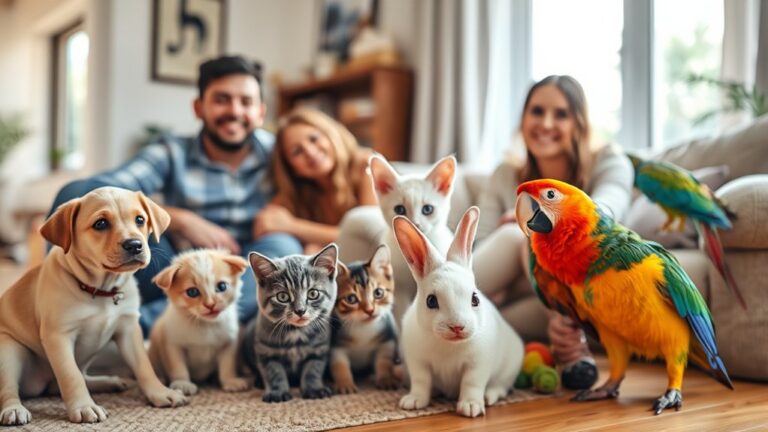
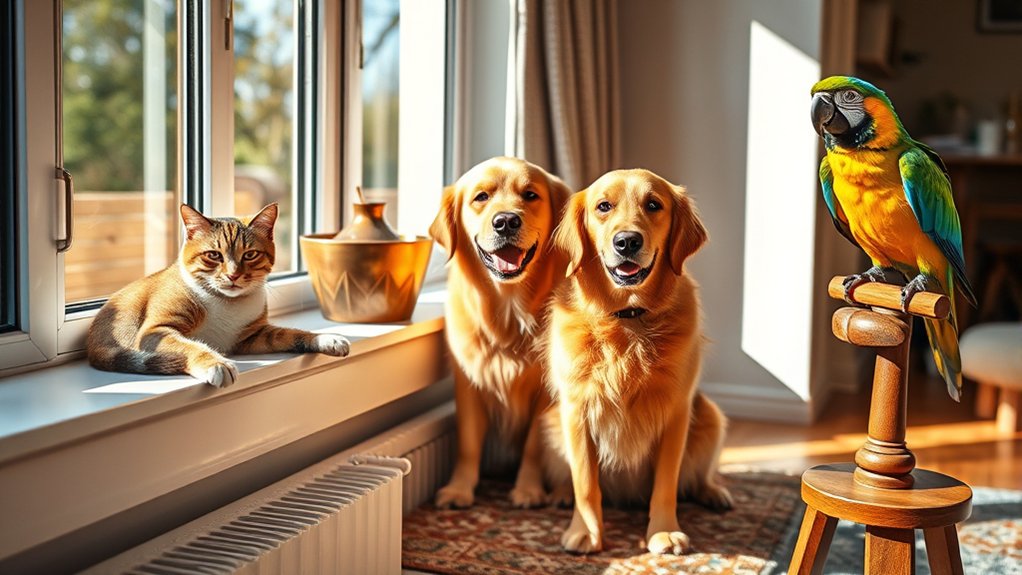
If you want pets that fit any lifestyle, consider dogs, cats, and small low-maintenance animals like fish or hamsters. Dogs thrive with interaction and training, making them great for families.
Cats offer affection but stay independent, needing minimal grooming.
Small pets like reptiles or rodents require little daily care and suit busy schedules or small spaces. Each provides unique companionship without overwhelming demands.
Keep exploring to find out how these pets match your space, time, and lifestyle perfectly.
Key Takeaways
- Choose pets with low maintenance needs to fit busy schedules and reduce daily care time.
- Small, quiet animals like fish, reptiles, or hamsters adapt well to limited living spaces.
- Cats and guinea pigs offer affectionate companionship with manageable grooming and care.
- Pets with fewer health issues lower vet visits and overall costs, making them ideal for any lifestyle.
- Match pet activity and grooming needs to your home environment for long-term compatibility.
How to Choose Low-Maintenance Pets for Busy Schedules
Although your schedule may be packed, you can still enjoy the companionship of a pet by choosing one that fits your lifestyle. When selecting a low-maintenance pet, focus on those that require minimal daily attention and offer cost-effective pet care.
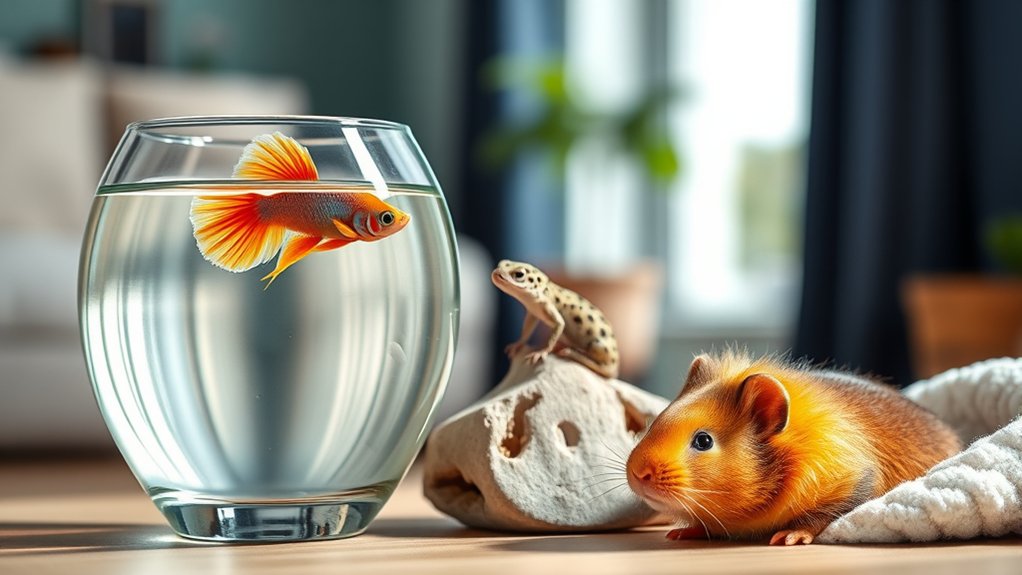
Small animals like fish, reptiles, or certain rodents often need less frequent feeding and less space, making them ideal for busy people. Consider the vet visit frequency too; pets with fewer health issues or routine care demands can save you time and money.
For example, some reptiles only need annual check-ups, unlike high-maintenance pets requiring monthly visits. Moreover, think about grooming needs. Pets with low grooming requirements will free up your time.
Friendly Pets That Thrive in Family Homes
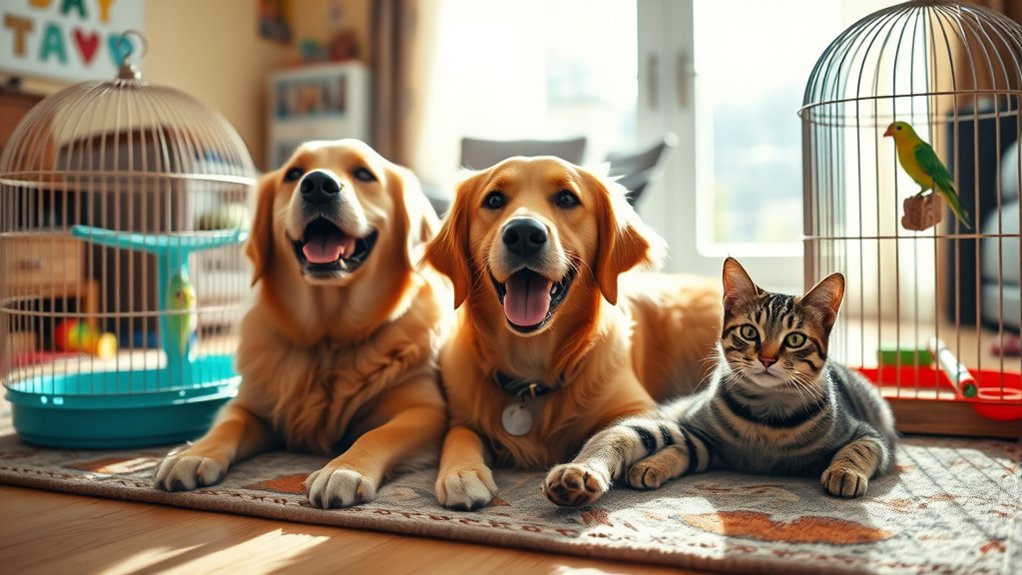
Three types of pets stand out when it concerns fitting seamlessly into family homes: dogs, cats, and guinea pigs. Each offers unique companionship while adapting well to active family life. Dogs thrive with consistent training techniques, which help them follow rules and interact safely with children.
You’ll find that regular pet grooming keeps them comfortable and reduces shedding around the house. Cats bring a balance of affection and independence, requiring less hands-on training but benefiting from grooming to prevent hairballs and matting.
Guinea pigs, gentle and social, are perfect for younger family members learning responsibility. You can train them to recognize their names and enjoy gentle handling, while simple grooming routines maintain their health.
Quiet and Independent Pets Perfect for Small Spaces and Solo Living
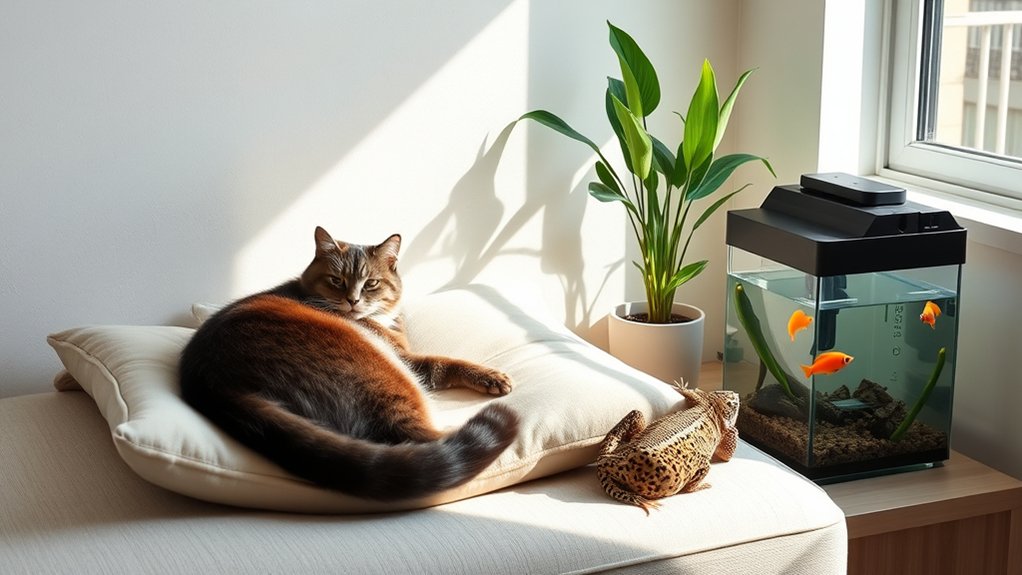
While family pets often thrive on interaction and activity, many people living alone or in compact spaces benefit from animals that require less constant attention. If you have limited room or a busy schedule, choosing a quiet, autonomous pet can make your life easier.
These pets usually have low activity levels, meaning they won’t demand lots of playtime or exercise. Plus, their grooming needs tend to be minimal, saving you time and effort.
Consider these options for your small space and solo lifestyle:
- Betta fish: peaceful, colorful, and low maintenance
- Leopard geckos: quiet, independent, and require simple care
- Hamsters: small, low activity, and easy grooming
- Cats: generally independent with manageable grooming routines
Selecting the right pet ensures you get companionship without overwhelming demands, perfectly fitting your lifestyle.
Frequently Asked Questions
What Are the Best Pets for Allergy Sufferers?
If you’re an allergy sufferer, choosing hypoallergenic breeds like poodles, bichon frises, or sphynx cats can help minimize reactions. These pets shed less dander, which triggers allergies.
You’ll also want to use allergy-friendly accessories such as HEPA air purifiers, allergen-proof bedding, and washable toys to reduce allergens in your home. Taking these steps lets you enjoy a pet without constantly battling sneezes or itchy eyes.
How Do Pet Costs Vary by Animal Type?
Pet costs vary a lot depending on the animal type. When you do a cost comparison, dogs and cats usually require more money for food, vet visits, and grooming.
Smaller pets like hamsters or fish have lower costs but still need proper animal care. Exotic pets might have specialized needs, increasing expenses.
You’ll want to take into account initial setup, ongoing care, and unexpected medical bills to budget accurately for your pet.
What Pets Require Special Permits or Licenses?
Like steering through a maze, dealing with pet licensing and special permits can be tricky. You’ll need special permits for exotic pets like reptiles, large snakes, or certain birds.
Some states require licenses for owning wild animals or venomous species. Even some dog breeds might need pet licensing or permits depending on local laws.
Always check your area’s rules before bringing home a unique pet to avoid surprises.
How Do Pets Impact Mental Health?
Pets can boost your mental health by providing emotional support and reducing stress. When you interact with them, your body releases feel-good hormones, helping you feel calmer and happier.
Pet therapy uses this connection intentionally to improve mood and reduce anxiety. Whether you have a dog, cat, or another companion, their presence can ease loneliness and offer comfort during tough times, making your daily life more balanced and joyful.
What Are Eco-Friendly Pet Ownership Tips?
Before smartphones, people trusted good old-fashioned habits. Just like you can with eco-conscious choices today. You should pick sustainable supplies like biodegradable poop bags and toys made from recycled materials.
Feeding your pet organic, locally sourced food cuts down on carbon footprints. Also, try DIY pet accessories to reduce waste.
Conclusion
Choosing the right pet can fit your lifestyle like a glove. Whether you want a low-maintenance companion for busy days, a friendly friend for your family, or a quiet, independent pet for a small space, there’s a perfect match waiting for you.
Remember, a pet isn’t just an animal, they’re a part of your life, ready to bring joy and comfort no matter how you live. Finding good pets to have for any lifestyle means choosing one that truly fits your daily routine and space.