What Is a Good Pet: Top 5 Choices
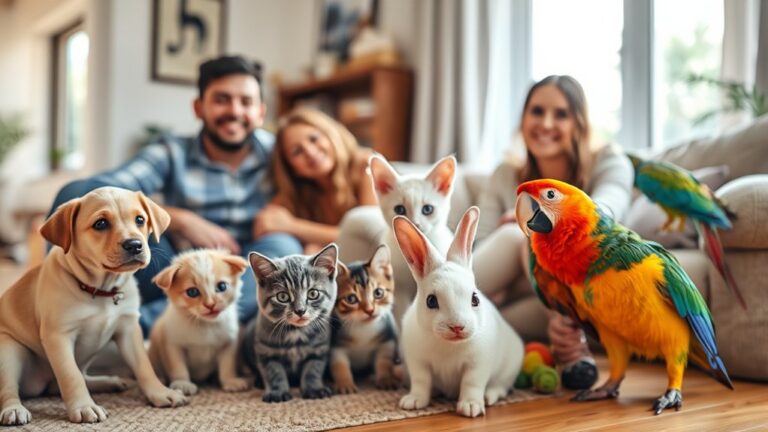
Finding the perfect pet that fits your lifestyle can feel overwhelming. You’re not alone—many people struggle with choosing a pet that matches their time, space, and activity level.
Whether you want a loyal companion or a low-maintenance friend, it’s important to find an animal that brings joy without added stress.
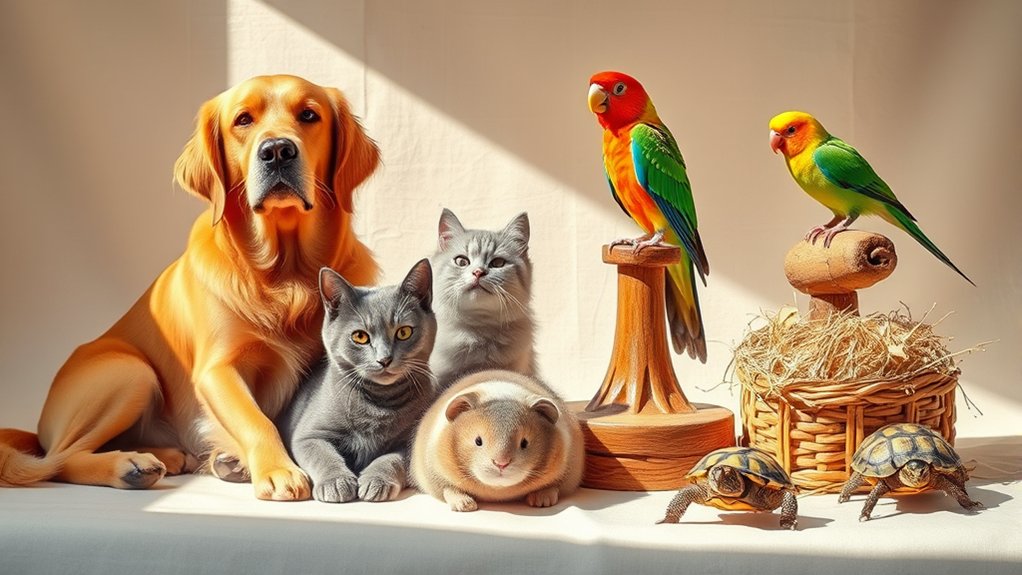
If you want a pet that fits your lifestyle, consider dogs for their loyal companionship and emotional bond, or cats for their low-maintenance independence.
Small pets like hamsters or fish are perfect if space and time are limited.
Unique pets such as hedgehogs add fun personality but need special care.
Choose based on your activity level, space, and time, and you’ll find a pet that brings joy without stress.
Discover more to find your perfect match.
Key Takeaways
- Choose pets matching your lifestyle, space, and time availability for care and companionship.
- Dogs provide loyal, affectionate bonds and thrive with training and regular health care.
- Cats offer low-maintenance companionship with minimal grooming and independent habits.
- Small pets like hamsters or fish suit limited space and require minimal time commitment.
- Unique pets such as hedgehogs or sugar gliders add personality but need specialized care.
How to Choose the Right Pet for Your Lifestyle

When choosing a pet, you need to take into account your daily routine and living space to find one that fits seamlessly into your life. Start by considering how much time you can dedicate to pet care. If you’re busy, a low-maintenance pet might be best.
Next, think about your living environment; smaller spaces suit smaller animals or certain breeds that don’t need much exercise. Pet adoption offers many options, so visit shelters to see which animals connect with you.
Breed selection matters too. Different breeds have varying energy levels, temperaments, and care needs. Research breeds that match your lifestyle to avoid surprises later.
Whether you want a lively dog or a calm cat, matching the pet’s needs with your schedule ensures a happy home for both of you. Taking these steps helps you pick a pet that complements your life, making your experience rewarding and stress-free.
Why Dogs Make Loyal and Loving Companions

Because dogs have evolved alongside humans for thousands of years, they naturally understand how to connect with you on a deep emotional level. When you invest time in pet training, you build a bond that makes your dog not just a pet but a devoted friend. Their loyalty shines through in everyday moments, from greeting you after a long day to sensing when you need comfort. Proper veterinary care keeps them healthy, ensuring many happy years together.
| What Dogs Give You | What You Give Dogs |
|---|---|
| Unconditional loyalty | Consistent pet training |
| Comfort in tough times | Regular veterinary care |
| Endless affection | Time and attention |
| Protective companionship | Safe and loving home |
With this mutual exchange, dogs become more than companions; they become family.
The Benefits of Cats as Easy-to-Care-For Pets

While dogs offer unwavering loyalty and companionship, cats bring a different kind of joy that’s perfect for those seeking low-maintenance pets. You’ll find that cats require less hands-on care, making them ideal if you have a busy lifestyle.
Cats provide a unique joy and low-maintenance care, perfect for busy lifestyles seeking affectionate companions.
Their grooming needs are minimal. Regular cat grooming mainly involves brushing to reduce shedding and prevent hairballs. Unlike dogs, cats usually keep themselves clean, so you won’t have to worry about frequent baths.
Paying attention to feline nutrition is essential, but it’s straightforward. Providing a balanced diet tailored to their age and health keeps your cat energetic and healthy without complicated feeding routines.
Cats are independent, and their litter box habits mean you don’t need to take them outside multiple times a day. Choosing a cat means embracing a companion who’s affectionate yet self-sufficient, blending ease of care with rewarding interaction.
Small and Low-Maintenance Pets Perfect for Any Home
If you want a pet that fits easily into any living space and demands little time, small and low-maintenance animals are the way to go. These pets are perfect if you’re concerned about pet safety and want straightforward training tips. They require minimal space and can be cared for without daily long walks or complex routines.
Here’s a quick look at some great options:
| Pet Type | Why You’ll Love Them |
|---|---|
| Hamsters | Easy to handle, fun to watch |
| Fish | Calm presence, minimal upkeep |
| Guinea Pigs | Social, gentle, easy to train |
| Budgerigars | Interactive, talkative birds |
| Turtles | Long-lived, low activity needs |
With basic training tips and attention to pet safety, these small companions provide joy without overwhelming your schedule or space.
Unique Pets to Add Personality and Fun to Your Life
When you want a pet that stands out and brings a spark of personality to your home, unique animals offer exciting companionship beyond the usual choices. You might consider a hedgehog, known for its nocturnal curiosity and unusual pet behaviors, or a sugar glider that bonds strongly with its owner.
These pets often surprise you with their distinct habits, making every day interesting. To boost their charm, quirky pet accessories like tiny hammocks or custom tunnels can add fun and comfort.
Their unique habits keep life lively, and whimsical accessories bring extra joy and coziness.
If reptiles appeal to you, a crested gecko’s gentle nature and easy care make it a fascinating addition. Unique pets demand specific care, so you’ll need to learn about their dietary needs and habitat requirements.
But once you do, their individuality shines, enriching your life with joy and novelty. Embracing a unique pet means welcoming a one-of-a-kind friend who livens up your household in ways no ordinary pet can.
Frequently Asked Questions
How Do I Train My New Pet Effectively?
To train your new pet effectively, you should focus on consistent training techniques and understanding pet behavior. Start with short, positive sessions using rewards to encourage good habits.
Be patient and use clear commands, reinforcing desired actions immediately. Observe your pet’s behavior to adjust your approach as needed.
Avoid punishment, as it can harm trust. Consistency and positive reinforcement will help your pet learn quickly and build a strong bond with you.
What Are Common Health Issues in Popular Pets?
About 60% of dogs develop some form of arthritis by age eight. You’ll want to watch for signs like limping or stiffness.
Common health issues in pets include dental disease, obesity, and allergies, which can sometimes trigger pet behavioral issues. Following veterinary health tips, such as regular check-ups and proper diet, helps prevent problems.
Staying proactive keeps your pet healthy and happy, reducing the chance of behavior changes linked to discomfort or illness.
How Much Does It Cost to Care for Different Pets?
Caring for pets varies in cost depending on the type. Small pets like fish or hamsters are cheaper, but dogs and cats need regular pet grooming, which adds up.
You’ll also want pet insurance to help cover unexpected vet bills, especially for larger pets. Budget around $500 to $1,000 yearly for cats and dogs, including food, grooming, and insurance.
Smaller pets usually cost less but still need basic care.
What Are the Best Pet Foods for Various Animals?
Think of pet food as the foundation of a strong tree. Without good soil, it can’t thrive. You’ll want to choose foods that meet your pet’s nutritional requirements, like protein-rich formulas for dogs and taurine-packed options for cats.
For birds or reptiles, specialized diets with proper vitamins and dietary supplements keep them vibrant. Always match food to species and life stage so your pet grows healthy and full of life.
How Can I Introduce a New Pet to Existing Pets?
When introducing pets, start slow to guarantee smooth pet socialization. Keep the new pet separated at first, letting your existing pets sniff their scent on a blanket.
Gradually allow short, supervised meetings in neutral areas. Watch for stress signs and reward calm behavior.
Don’t rush; consistent positive interactions help pets adjust and build trust. This approach makes introducing pets easier and fosters peaceful relationships over time.
Conclusion
Choosing the right pet is like finding the perfect book—you want one that fits your pace and personality. Remember, a friend once adopted a small hamster and found daily joy in its tiny adventures, proving even the smallest companions bring big happiness.
Whether you crave loyalty, ease, or unique charm, there’s a pet ready to match your lifestyle and fill your home with love and laughter. So, take the leap and find your perfect match because a good pet can truly brighten your life!