10 Essentials You Need for a New Puppy
Bringing home a new puppy is exciting but can also feel overwhelming. You want to make sure your furry friend has everything they need to thrive, but with so many products out there, it’s easy to get lost. If you’re feeling unsure about where to start, you’re not alone—many new puppy owners struggle with finding the right essentials.
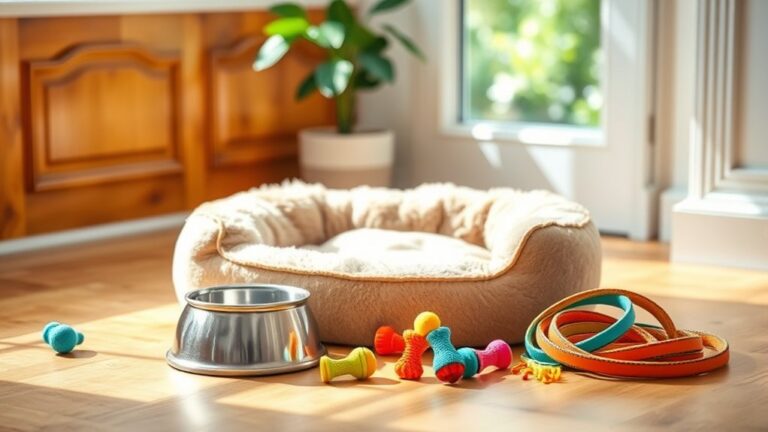
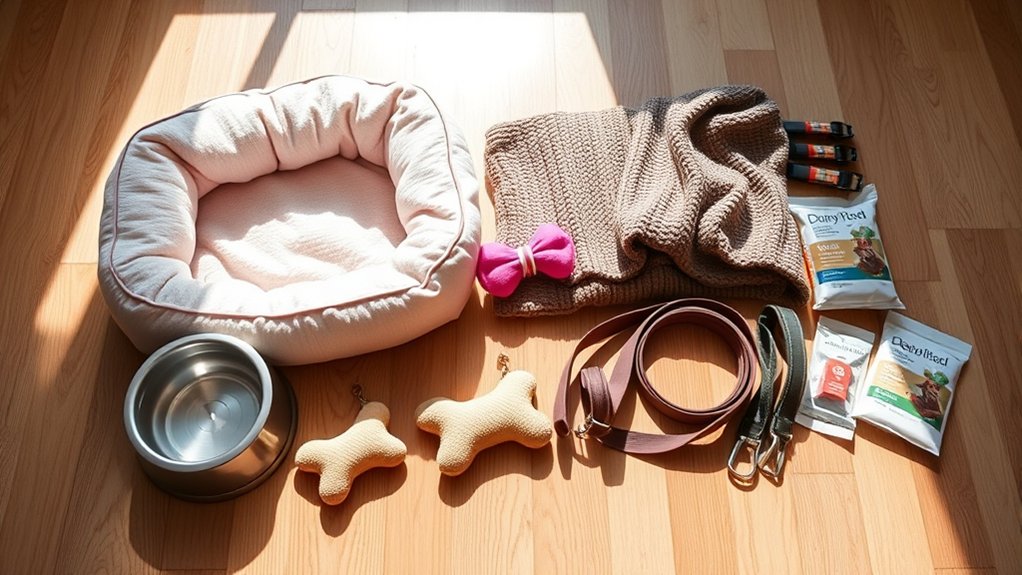
You’ll need the right complete puppy food and easy-to-clean feeding bowls to support growth. Set up a cozy crate with soft bedding for comfort, and pick durable, safe toys to keep your pup entertained.
Stock grooming essentials and have training treats ready to encourage good behavior.
Start crate and potty training early, and schedule your puppy’s first vet visit and vaccinations. Keep these basics in mind, and you’ll be well on your way to giving your new puppy a happy, healthy start.
Key Takeaways
- Provide complete and balanced puppy food with a consistent feeding schedule tailored to their breed and activity level.
- Prepare a comfortable crate with soft bedding and establish a regular potty training routine using positive reinforcement.
- Choose durable, non-toxic toys and training treats to encourage good behavior and satisfy natural chewing instincts.
- Stock up on safe cleaning supplies, including pet-friendly stain removers and odor neutralizers for quick accident management.
- Schedule early veterinary visits for vaccinations, health checks, and maintain detailed medical records.
Pick the Right Puppy Food for Healthy Growth
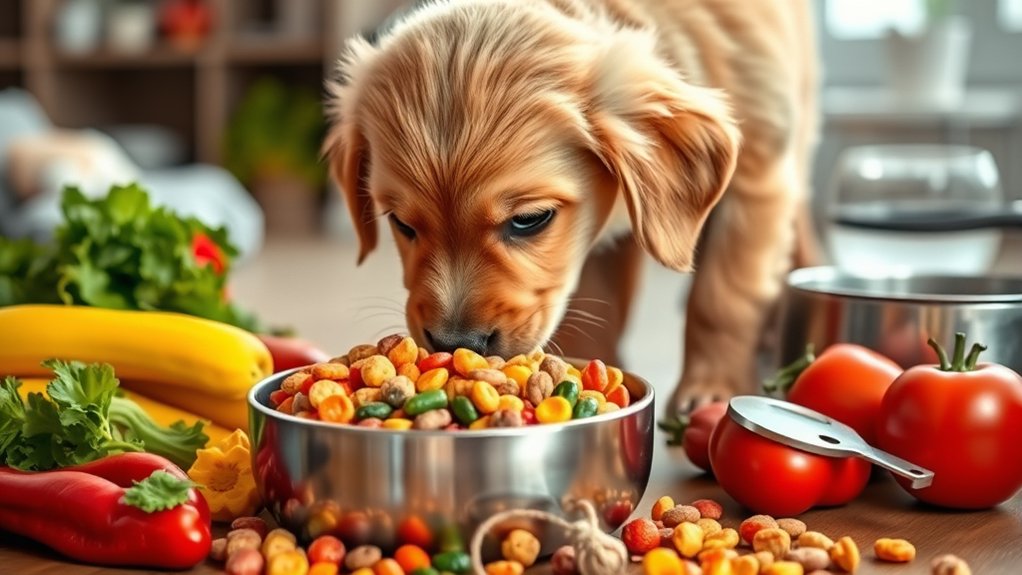
Although choosing puppy food might seem straightforward, picking the right one is essential for your puppy’s healthy growth. You need to follow nutrition guidelines tailored specifically for puppies, as they require more protein, fat, and essential nutrients than adult dogs. Look for foods labeled “complete and balanced” to guarantee your puppy gets everything needed for development.
Set consistent feeding schedules to support proper digestion and prevent overeating. Most puppies do well with three to four small meals daily, gradually reducing to two as they grow. Pay attention to portion sizes recommended on the packaging but adjust based on your puppy’s activity level and breed.
Choose Puppy Feeding Bowls That Are Easy to Clean
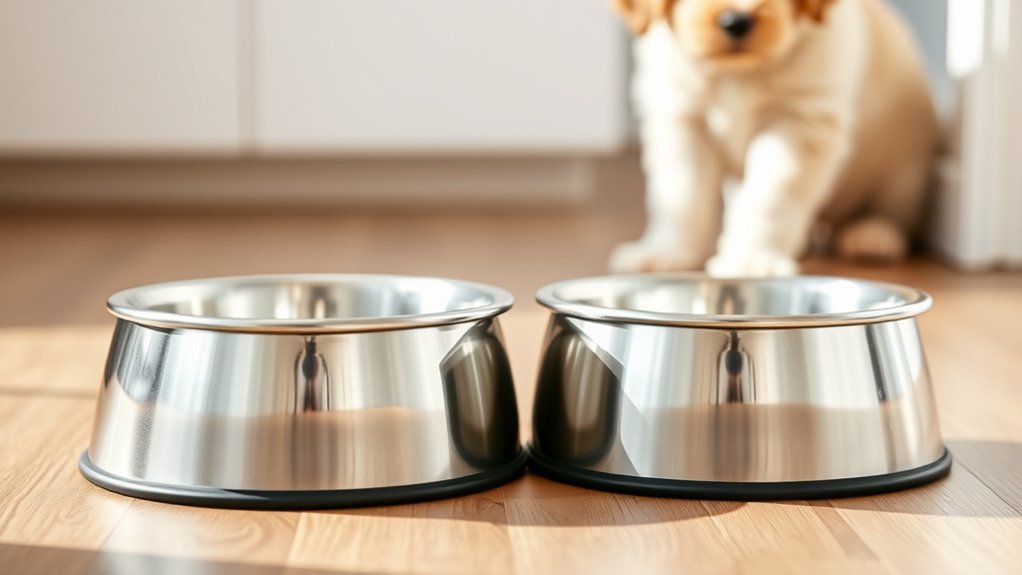
Choosing the right puppy feeding bowls can make mealtime easier and cleaner for both you and your pup. When selecting bowls, focus on material durability to guarantee they withstand daily use and frequent cleaning. Stainless steel bowls are a top choice because they resist scratches, don’t harbor bacteria, and are dishwasher safe, saving you time.
Avoid plastic bowls, as they can develop scratches that trap dirt and odors. Design aesthetics matter, too. Choose bowls that complement your home while being practical. Non-slip bases prevent spills and messes, keeping feeding areas tidy.
Also, opt for bowls with smooth surfaces and simple shapes so food residue doesn’t get stuck in hard-to-clean crevices. This way, you’ll maintain hygiene easily and protect your puppy’s health. By picking easy-to-clean, durable, and visually pleasing feeding bowls, you create a stress-free feeding routine that benefits you both.
Set up a Cozy Sleeping Area With the Perfect Puppy Crate

You’ll want to pick a crate that fits your puppy comfortably — not too big, and not too small. Then, add some soft bedding to make their new space feel inviting and cozy. This kind of setup helps your puppy feel safe and encourages good rest.
Choosing The Right Size
Finding the perfect crate size is key to creating a cozy sleeping nook for your puppy. You want a crate that’s just right, not too big or your puppy might use one side as a bathroom.
Consider your puppy’s current size and growth when choosing. Puppies grow fast, so look for crates with adjustable dividers that grow with them. This way, you won’t need to buy multiple crates.
Measure your puppy from nose to tail and add a few inches to ensure comfort. Keep in mind the breed’s adult size to avoid outgrowing the crate too quickly. By factoring in puppy size and growth considerations, you’ll provide a safe, snug space that feels like home.
Comfortable Bedding Options
Three key factors make bedding comfortable for your puppy: softness, warmth, and durability. When choosing puppy bedding, pick materials that feel gentle on their skin but can also withstand chewing and frequent washing.
A soft, washable cushion or blanket inside the crate provides a cozy spot that encourages comfortable sleep. Consider orthopedic options if your puppy has joint concerns.
Make sure the bedding fits snugly in the crate, preventing bunching or slipping, which can disrupt rest. You want to create a calm, inviting space where your puppy feels secure and relaxed.
Regularly clean and replace the bedding to maintain hygiene and comfort. By focusing on these bedding essentials, you’ll help your new puppy enjoy restful nights and wake up ready to play.
Choose Durable Toys to Keep Your Puppy Entertained
You’ll want to pick durable toys that can handle your puppy’s chewing without falling apart. It’s really important to choose safe materials, too, to protect their teeth and avoid any choking hazards. Tough toys not only keep your puppy entertained but also help satisfy their natural urge to chew.
Benefits of Tough Toys
Durable toys play a crucial role in keeping your puppy engaged and happy. When you choose toys with excellent chew resilience, you prevent frequent replacements and guarantee your puppy has something that withstands their enthusiastic biting.
Tough toys not only save you money but also reduce the risk of choking hazards from broken pieces. Plus, they help satisfy your puppy’s natural urge to chew, which can prevent destructive behavior around your home.
While focusing on chew resilience, don’t overlook material safety. Select toys made from non-toxic materials designed to endure strong chewing. By providing sturdy, safe toys, you create a stimulating environment that supports healthy development and keeps your puppy entertained for longer periods, making both playtime and your daily routine much easier.
Safe Materials for Puppies
When selecting toys for your puppy, prioritize safe materials that can withstand vigorous chewing without breaking down into harmful pieces. Choose toys made from non-toxic materials to protect your puppy’s health. Avoid items with small parts that might come loose and pose a choking hazard.
Durable rubber or tough nylon toys are excellent options that keep your puppy entertained while ensuring safety. Alongside choosing the right toys, focus on puppy-proof furniture to prevent damage and reduce risks from hazardous items.
Secure or cover anything your puppy might chew on, and keep breakables out of reach. By combining safe, durable toys with a puppy-proof environment, you create a fun and secure space that supports your puppy’s growth and well-being.
Pick a Puppy Collar and Leash for Safe Walks
Although choosing the right collar and leash might seem straightforward, it plays an essential role in keeping your puppy safe during walks. Start by selecting a puppy collar that fits comfortably, not too tight or loose, and is made of durable, lightweight material. Adjustable collars are great as your pup grows quickly. Don’t forget to include an ID tag with your contact info on the collar in case your puppy gets lost.
Next, pick a leash that offers control without restricting movement. A standard 4-6 foot leash works well for training and everyday walks. Consider leash accessories like reflective strips for visibility during nighttime strolls or a hands-free leash for convenience when jogging. Avoid retractable leashes until your puppy is trained to walk calmly, as they can cause accidents.
Keep Cleaning Supplies Handy for Puppy Accidents
You’ll want to keep cleaning supplies handy for those inevitable puppy accidents. It’s a good idea to pick products that not only remove stains but also neutralize odors, so your home stays fresh. When something happens, acting quickly with the right solutions really makes cleanup a lot easier.
Effective Stain Removal
Accidents happen frequently during a puppy’s early days, so keeping cleaning supplies within reach is essential. To tackle stains effectively, act quickly. Blot the area with a clean cloth to absorb moisture before it sets.
Use a pet-safe stain remover designed for carpet protection to prevent discoloration and damage. Avoid rubbing because it can spread the stain and embed it deeper into fibers.
For stain prevention, consider applying a carpet protector spray to high-traffic areas. It creates a barrier that makes cleanup easier. Always test products on a small, hidden spot first to guarantee they won’t harm your carpet.
Odor Neutralizing Solutions
Keeping cleaning supplies nearby not only helps with stain removal but also plays a key role in managing odors that come with puppy mishaps. When accidents happen, you want to act fast with an effective odor absorber to eliminate smells at the source.
Choose products designed specifically for pet odors to prevent your puppy from being drawn back to the same spot. After cleaning, use an air freshener to keep your home smelling fresh and inviting. Avoid masking odors with strong scents; instead, focus on neutralizing them completely.
Having these solutions ready means you’ll handle puppy accidents quickly and keep your living space comfortable for both you and your new four-legged companion. Staying prepared makes the puppy training phase much smoother and less stressful.
Stock Grooming Essentials to Keep Your Puppy Clean
Although grooming might seem like an extra task, having the right supplies makes it simple to keep your puppy clean and comfortable. A consistent bathing routine combined with the proper grooming tools ensures your puppy’s coat stays healthy and shiny.
Having the right grooming supplies and routine keeps your puppy clean, comfortable, and their coat healthy and shiny.
Here are three essentials you’ll want to stock up on:
- Quality shampoo and conditioner: Choose puppy-safe, gentle formulas that suit your pup’s skin type to prevent irritation during baths.
- Brushes and combs: Select grooming tools based on your puppy’s coat length and texture to remove loose fur, dirt, and prevent mats.
- Towels and drying tools: Soft towels and a pet-friendly dryer help you dry your puppy quickly, avoiding chills and keeping the coat fluffy.
Have Training Treats Ready to Encourage Good Behavior
Once your puppy is clean and comfortable, you’ll want to focus on shaping their behavior. Treat training is an essential tool for encouraging good behavior. Having training treats ready helps you reward your puppy immediately when they follow commands or show good manners.
Choose small, soft treats that are easy to chew and highly motivating for your puppy.
Here’s a quick guide to popular training treats:
| Treat Type | Best For | Notes |
|---|---|---|
| Small Biscuits | Basic commands | Easy to carry |
| Freeze-Dried | High-value rewards | Great for stubborn pups |
| Soft Chews | Quick rewards | Break into smaller pieces |
Start Crate and Potty Training With Confidence
Because establishing routines early sets the foundation for good habits, start crate and potty training confidently from day one. Crate training helps your puppy feel secure, while consistent potty habits prevent accidents and build good manners. Follow these steps to get started:
- Choose the right crate size. It should be big enough for your puppy to stand, turn, and lie down comfortably, but not so large that they use one corner as a bathroom.
- Create a positive association. Use treats and toys to make the crate inviting. Never use the crate as punishment.
- Set a consistent potty schedule. Take your puppy outside frequently after meals, naps, and playtime to reinforce where they should go.
Schedule Your Puppy’s First Vet Visit and Vaccinations
Before your puppy gets too comfortable at home, you should schedule their first vet visit to make certain they start vaccinations on time and receive a thorough health check. Regular veterinary visits are essential for tracking your puppy’s growth, preventing diseases, and addressing any health concerns early.
Vaccination schedules usually begin at 6-8 weeks old, boosting your pup’s immunity in stages. Your vet will customize this schedule based on your puppy’s breed, age, and lifestyle. Keep a record of each visit and vaccine to stay organized.
| Age (Weeks) | Vaccination Type | Purpose |
|---|---|---|
| 6-8 | Distemper, Parvo | Core protection |
| 10-12 | DHPP booster | Strengthens immunity |
| 14-16 | Rabies | Legal requirement |
| 16-20 | Bordetella | Kennel cough prevention |
| 20+ | Annual boosters | Maintain immunity |
Stick to veterinary visits and vaccination schedules to give your puppy the healthiest start.
Frequently Asked Questions
How Do I Puppy-Proof My Home for Safety?
To puppy-proof your home for safety, start by identifying and removing hazards like exposed wires, toxic plants, and small objects your pup could swallow. Use chew deterrents on furniture and cords to discourage biting.
Secure trash bins and keep cleaning supplies out of reach. Block off unsafe areas with baby gates, and provide plenty of safe toys to keep your puppy busy. This way, you’ll create a safe, welcoming space for your new canine companion.
When Should I Start Socializing My Puppy?
You should start socializing your puppy as early as 7 to 8 weeks old, once they’ve had their first vaccinations. Puppy playdates are perfect for building strong social skills and helping your pup get comfortable around other dogs and people.
The more positive experiences you provide during this critical period, the better adjusted and confident your puppy will become. Just make sure playdates are safe and supervised!
What Vaccinations Does My Puppy Need?
You probably don’t want your puppy to turn into a tiny, sneezing zombie, right? To keep puppy health in top shape, follow a vaccination schedule starting at six to eight weeks old.
Core vaccines include distemper, parvovirus, adenovirus, and rabies. Your vet will guide you through boosters and non-core shots based on your area.
Staying on track means your pup stays happy, healthy, and far from the undead dog apocalypse.
How Often Should I Take My Puppy for Walks?
You should take your puppy for short walks multiple times a day, gradually increasing the duration as they grow. Puppies have lots of energy but tire quickly, so start with 5-10 minute walks.
Pair walks with a balanced puppy diet to boost their energy and development. After walks, crate training helps your puppy rest and feel secure.
When Should I Schedule Spaying or Neutering?
Better safe than sorry! You should schedule spaying or neutering your puppy around 6 months old, but always consult your vet for the best timing. Proper veterinary timing supports puppy health by reducing risks like unwanted litters and certain diseases.
Your vet will consider breed, size, and overall health to decide the ideal time. Don’t delay. Early planning helps guarantee a healthy and happy pup for years to come.
Conclusion
Getting your puppy ready with these essentials isn’t just a good idea, it’s absolutely life-changing! You’ll have the perfect food, comfy crate, and toys that could entertain a whole circus.
With collars, treats, and grooming gear in place, you’ll be the ultimate puppy parent champion. Training? Handled like a pro. And that first vet visit? Smooth as silk.
Trust me, nailing these basics turns puppy chaos into pure joy every single time! Getting the 10 essentials you need for a new puppy makes all the difference in creating a happy, healthy start.