
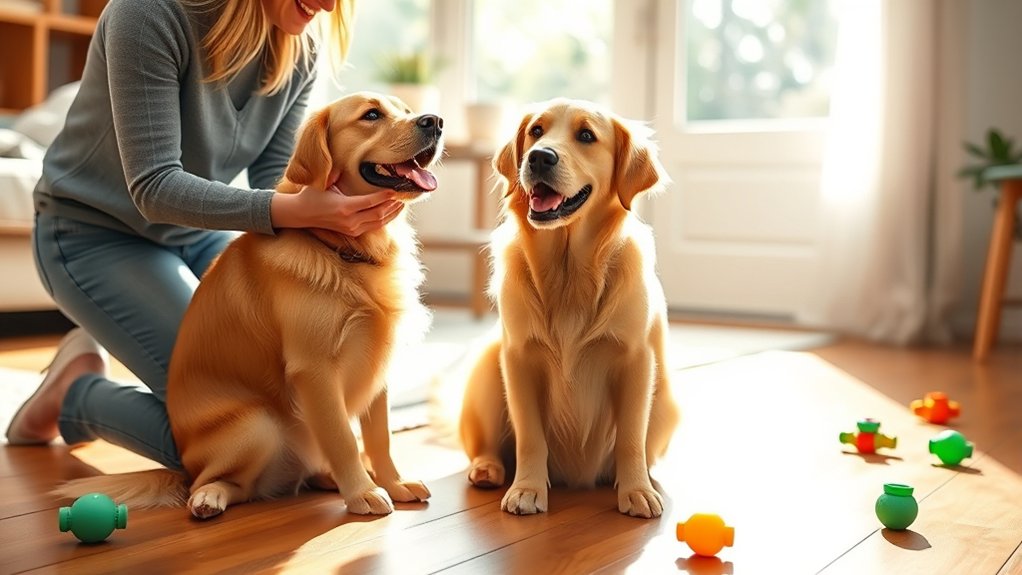
How to Train Your Pet in 10 Simple Steps
Training your pet can feel overwhelming, especially when you’re not sure where to start or how to keep them engaged. You’re not alone—many pet owners struggle to find effective methods that really work for their furry friends.
The good news is, with the right approach, training can be a fun and rewarding experience for both of you.
To train your pet in 10 simple steps, choose a method that fits their personality and keep training consistent with clear rules. Use positive reinforcement like treats, praise, and toys immediately to encourage good behavior.
Teach basic commands in short, fun sessions within a calm space. Track your pet’s progress and adjust as needed.
Build a strong bond with daily interactions to guarantee lasting success.
Keep going, and you’ll uncover even more effective techniques.
Key Takeaways
- Establish a consistent training routine using positive reinforcement and clear, firm rules. This helps build structure and predictability for your pet.
- Use immediate rewards like treats, praise, or toys to reinforce desired behaviors. This keeps your pet motivated.
- Start with basic commands such as “sit,” “stay,” and “come.” Practice short, frequent sessions in distraction-free environments.
- Create a calm, safe space for training. Keep sessions fun and watch your pet’s signals to avoid frustration.
- Build a strong bond through daily interaction, gentle play, and patience. Adapt training methods as your pet progresses.
Pick the Best Training Method for Your Pet

Before you begin training, it’s important to choose a method that suits your pet’s personality and learning style. Some pets respond best to positive reinforcement, while others might need a more structured approach. Consider your pet’s temperament and energy levels to find a method that keeps them engaged without causing stress.
Next, gather the right training equipment, whether it’s clickers, treats, or leashes, that complements your chosen technique. Having the proper tools ready will make sessions smoother and more effective.
Establish a consistent training schedule to build routine and reinforce learning. Short, frequent sessions work better than long, infrequent ones, especially for younger or easily distracted pets. Stick to your schedule to help your pet anticipate training time and stay motivated.
Set Clear and Consistent Rules From Day One

How do you guarantee your pet understands what’s expected right from the start? Set clear and consistent rules from day one. Establish household boundaries immediately. Decide which areas are off-limits and what behaviors you won’t tolerate.
Be firm and consistent so your pet quickly learns these limits. Consistent routines reinforce these rules. Feed, walk, and train your pet at the same times daily to create a predictable environment.
This helps reduce confusion and anxiety, making it easier for your pet to follow the rules. Avoid changing the rules or boundaries without clear reasons. Inconsistency confuses your pet and slows training progress.
Use Positive Reinforcement to Encourage Good Behavior
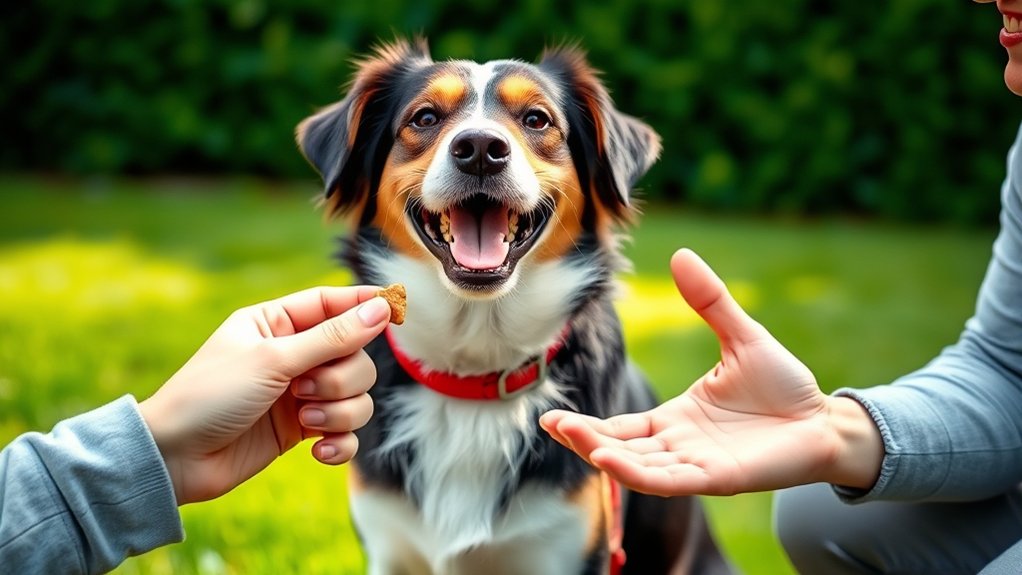
You’ll want to reward your pet right when they show the behavior you like. This makes it clear what you’re praising. Timing is key because it helps them connect their actions with the reward. Just remember to use treats carefully so they stay motivated without becoming dependent on food.
Reward Desired Actions
Although training your pet can sometimes feel challenging, rewarding desired actions consistently will make the process smoother and more effective. Don’t fall for common training myths that suggest punishment works better; pet psychology shows that positive reinforcement builds trust and encourages your pet to repeat good behavior.
When your pet performs the action you want, immediately reward them with treats, praise, or affection. This clear connection helps them understand what you expect. Remember, rewards should be meaningful to your pet; what motivates one might not work for another.
Timing Is Crucial
Rewarding the right actions only works when the timing is spot on. To achieve timing mastery, you need to deliver praise or reinforcement immediately after your pet performs the desired behavior. Delays can confuse your pet, weakening the connection between the action and the reward.
Stick to a consistent training schedule to help your pet anticipate sessions and stay focused. This consistency reinforces learning and makes your timing more effective.
Use Treats Wisely
When you use treats wisely, they become powerful tools to reinforce good behavior without causing overindulgence. Focus on healthy snacking by choosing low-calorie, nutritious treats to keep your pet fit. Pay close attention to treat timing. Reward immediately after the desired behavior to strengthen the connection.
Here’s a quick guide to using treats effectively:
| Action | Treat Strategy |
|---|---|
| Sit command | Small, soft treats right after sit |
| Come when called | Use high-value treats for promptness |
| Stay for a few seconds | Reward after holding position |
| Heel walking | Treat intermittently for motivation |
| Quiet barking | Give treats during calm moments |
Use treats sparingly and combine with praise to encourage lasting, positive habits.
Teach Basic Dog Training Commands
Now that you’re using positive reinforcement, it’s time to start teaching your dog some essential commands like sit, stay, and come. You’ll want to use clear cues and be consistent with rewards to make the training really effective.
With a bit of patience and practice, your dog will pick up these important skills pretty quickly. Just keep it fun and stay consistent, and you’ll both enjoy the process!
Essential Commands to Teach
Although training your dog might seem challenging at first, teaching essential commands lays the foundation for good behavior and safety. Start with basic commands like “sit,” “stay,” “come,” and “leave it.”
These commands help you manage your dog during daily activities, including pet nutrition and grooming routines, ensuring they stay calm and cooperative. For example, “stay” can keep your dog in place while you prepare meals or brush their coat. “Leave it” prevents them from grabbing unsafe items.
Consistently practicing these commands strengthens your bond and makes care tasks smoother. Remember, clear communication through essential commands makes your dog’s life safer and healthier, complementing proper nutrition and grooming habits for overall well-being.
Effective Training Techniques
Building on the basic commands you’ve taught, using effective training techniques will help your dog learn faster and respond more reliably. Start by keeping sessions short and consistent, using clear, positive reinforcement like treats and praise.
Avoid common training myths, such as using punishment or expecting instant results. These can confuse your dog and slow progress. Pay close attention to behavior triggers like distractions or stress, and manage them to maintain focus during training.
Also, practice commands in various environments to generalize learning. Remember, patience and consistency are key. If your dog struggles, step back, simplify the task, and gradually increase difficulty.
Effective training isn’t about perfection but building trust and clear communication, ensuring your dog understands what you expect every step of the way.
Set Up Your Home to Support Training
Before you begin training, create a space in your home that reduces distractions and keeps your pet focused. Choose an area that’s quiet and free from loud noises or lots of foot traffic. Make certain your setup prioritizes home safety by removing hazardous items and securing electrical cords.
Using pet friendly furniture helps protect both your belongings and your pet during training sessions.
Here’s a quick checklist to help you set up:
| Task | Tip |
|---|---|
| Minimize distractions | Close doors and windows |
| Ensure home safety | Store cleaning products safely |
| Use pet friendly items | Choose washable, durable fabrics |
This setup not only makes training easier but also creates a comfortable environment for your pet. A well-prepared space helps your pet stay calm and attentive, setting the stage for successful training sessions.
Fix Common Behavior Problems With Training
When your pet shows unwanted behaviors, targeted training can help you address and correct them effectively. Start by identifying the specific behavior you want to change, whether it’s excessive barking, chewing, or jumping. Use behavior modification techniques, like positive reinforcement, to replace bad habits with good ones. Reward your pet immediately for desired actions to strengthen learning.
Incorporate socialization tips to reduce anxiety or aggression that often lead to behavior problems. Gradually expose your pet to new people, places, and other animals in a controlled, positive way. This helps build confidence and reduces fear-based reactions.
Consistency is key. Apply these training methods regularly to see lasting improvements. Remember, patience and understanding are essential; behavior modification takes time but yields great results. With targeted efforts, you can fix common behavior problems and create a happier, well-behaved pet.
Make Training Sessions Short and Fun
You’ll get the best results by keeping training sessions short and sweet. Try to make them quick so your pet doesn’t lose interest. And don’t forget to use playful rewards like toys or treats—they really help keep your pet engaged and excited. That way, learning feels like fun instead of a chore for both of you.
Keep Sessions Brief
Although training your pet can be exciting, keeping each session short helps maintain their focus and enthusiasm. A brief training environment prevents your pet from feeling overwhelmed and allows you to create positive associations with learning.
Short sessions also support effective pet socialization by leaving room for playful interactions and varied experiences without stress. To make the most of your time, keep these tips in mind:
- Limit sessions to 5 to 10 minutes to match your pet’s attention span
- Choose a quiet, familiar spot to minimize distractions
- End on a high note to keep your pet enthusiastic for next time
- Observe your pet’s signals to avoid frustration
- Mix training with social time to build confidence and trust
Use Playful Rewards
Since training can sometimes feel like a chore to your pet, using playful rewards keeps sessions enjoyable and motivates them to learn. Playful rewards, like a quick game or a favorite toy, make the experience fun and engaging.
When you mix in creative reinforcement such as varying treats, praise, or interactive play, you keep your pet’s interest high. This approach helps them associate training with positive experiences and boosts their willingness to participate.
Remember, the key is to keep sessions short and lively to prevent boredom or frustration. By turning training into a playful routine, you create a stronger bond with your pet and speed up their learning.
Use Toys and Treats to Reward Good Behavior
How can you effectively encourage your pet to repeat good behavior? Use toys and treats as positive reinforcement to make training fun and rewarding. Interactive play with creative toys not only entertains your pet but also strengthens your bond, making them enthusiastic to follow your commands.
Here’s how you can reward your pet effectively:
Offer a favorite treat immediately after good behavior to create a clear connection. Use creative toys like puzzle feeders to challenge and engage your pet’s mind. Incorporate interactive play sessions as a reward to boost excitement.
Vary the types of treats and toys to keep your pet motivated and curious. Celebrate small victories with enthusiastic praise and gentle petting to build confidence.
Track Progress and Adjust Your Training
As you train your pet, tracking their progress helps you see what’s working and what needs adjustment. Keep a simple log of your pet’s responses to commands and rewards. Note which behaviors improve consistently and where your pet struggles. This kind of progress tracking lets you tailor your training approach effectively.
If certain commands aren’t sticking, don’t hesitate to change your techniques or increase rewards. Behavior adjustment is key to overcoming plateaus. For example, if your pet loses interest quickly, shorten sessions or try different treats to keep motivation high. Also, adjust your expectations based on your pet’s personality and learning pace.
Regularly reviewing progress ensures you’re not stuck in ineffective routines. It helps you celebrate small wins and identify areas needing extra focus. By actively tracking and adjusting, you’ll make training smoother and more enjoyable for both you and your pet.
Build a Strong Bond With Daily Interaction
Though training lays the foundation, building a strong bond with your pet requires daily interaction beyond commands. You’ll want to weave bonding activities into your daily routines to deepen your connection and make your pet feel loved and secure. Consistent quality time helps your pet trust you and respond better to training.
Building trust through daily bonding strengthens your pet’s connection and enhances training success.
Try incorporating these bonding activities into your day:
- Gentle play sessions tailored to your pet’s energy level
- Quiet cuddle time to relax and comfort each other
- Regular walks or outdoor time to explore together
- Grooming moments that show care and attention
- Sharing mealtimes or treats to create positive associations
These simple acts strengthen your relationship, making training more effective and enjoyable. When your pet feels emotionally connected, they’ll be more eager to learn and please you, turning training into a rewarding experience for both of you.
Frequently Asked Questions
How Do I Choose the Right Age to Start Training My Pet?
When choosing timing to start training your pet, consider their age carefully. Puppies and kittens are usually ready for basic training as early as 7 to 8 weeks old because they’re enthusiastic to learn and adapt quickly.
However, age considerations vary by species and breed, so observe your pet’s behavior and readiness. Starting too early or too late can affect progress, so pick a time when your pet is alert, healthy, and responsive to commands.
What Equipment Is Essential for Pet Training Beginners?
Think of yourself as a wizard starting your magical journey. Your essential tools? For dog training, you’ll need a sturdy leash, a comfortable collar or harness, and tasty treats to reward good behavior.
For cat training, a clicker, interactive toys, and treats work wonders. Both require patience and consistency. But with these simple tools, you’ll cast the right spells to guide your pet’s learning adventure.
How Can I Train My Pet if I Have a Busy Schedule?
You can train your pet despite a busy schedule by prioritizing time management and training consistency. Set short, focused sessions, just 5 to 10 minutes, throughout your day. Use small breaks or waiting times to practice commands.
Consistency is key, so stick to a regular routine even if it’s brief. This way, you guarantee steady progress without overwhelming your schedule or your pet.
Are There Specific Training Methods for Different Pet Breeds?
Yes, you’ll want to tailor your approach because breed-specific behaviors influence how your pet learns. Don’t worry if you think training feels overwhelming; customizing your methods makes a big difference.
For example, high-energy breeds need more exercise before training sessions, while stubborn breeds benefit from consistent, short lessons. By understanding your pet’s unique traits and adjusting your training, you’ll see better results and keep both of you motivated.
How Do I Handle Training Setbacks or Regressions?
When you face training setbacks or regressions, stay calm and focus on behavior consistency. Don’t get discouraged. Pet training takes patience and persistence.
Review your training routine, reinforce positive behaviors, and avoid punishing mistakes. Remember, setbacks are normal, so keep practicing regularly and celebrate small wins.
Conclusion
Training your pet isn’t just about commands; it’s about building trust and understanding. Like planting a seed, your consistent care and patience will help your pet’s good behavior grow strong and steady.
Remember, every small step you take together strengthens your bond and makes training enjoyable for both of you. So, stick with these steps, celebrate progress, and watch your pet flourish into the well-behaved companion you’ve always wanted through How to Train Your Pet in 10 Simple Steps.