
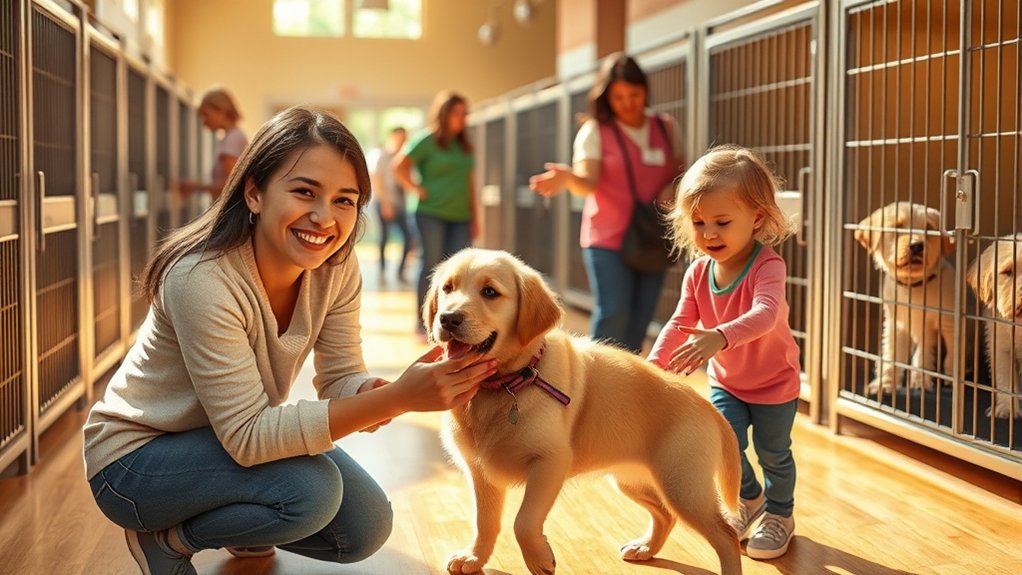
How Do You Adopt a Puppy in 10 Steps
Adopting a puppy is an exciting journey, but it can also feel overwhelming if you’re not sure where to start. You’re not alone—many people struggle with finding the right puppy and navigating the adoption process.
The good news is, with a clear plan, you can make the experience smooth and enjoyable for both you and your new furry friend.
To adopt a puppy in 10 steps, start by honestly evaluating your lifestyle to guarantee you can commit time and energy. Choose a breed that fits your activity level and living space, then find trusted local shelters with healthy, socialized puppies.
Meet the puppies to find a good match, complete adoption paperwork, and prepare your home with safe spaces and essentials.
Plan for your puppy’s first days and schedule a vet visit.
Following these steps will set the foundation for a happy, lifelong bond.
Key Takeaways
- Research reputable shelters and review their adoption requirements before applying. This helps ensure you’re prepared for the process.
- Complete the adoption application honestly, providing details about your lifestyle and home environment. Being upfront makes the match better for everyone.
- Visit shelters to meet puppies, observe their behavior, and see if they’re a good fit for your family. Spending time together helps you decide.
- Prepare your home by puppy-proofing, setting up a safe space, and gathering essential supplies. Getting ready in advance makes the transition smoother.
- Establish routines for feeding, training, and socialization. Also, schedule the first veterinary visit promptly to keep your new puppy healthy.
Decide If a Puppy Adoption Fits Your Lifestyle

Before bringing a puppy home, you need to honestly evaluate your daily routine and commitments to make sure you can provide the time, energy, and care a young dog requires. Puppies demand consistent puppy training, which means dedicating time each day to teaching basic commands, housebreaking, and socializing. If your schedule is packed or unpredictable, this can be challenging.
You’ll also need to manage their nutritional needs carefully, offering balanced meals that support healthy growth. Are you prepared to shop for quality food, measure portions, and stick to feeding times? Puppies aren’t just cute; they require a lot of attention and patience.
Think about your work hours, social life, and travel plans. If you can’t commit to daily care and training, adopting a puppy might not be the best fit right now. Being truthful about your lifestyle ensures you and your future puppy have the best chance at a happy, healthy relationship.
Choose the Right Puppy Breed for Your Home
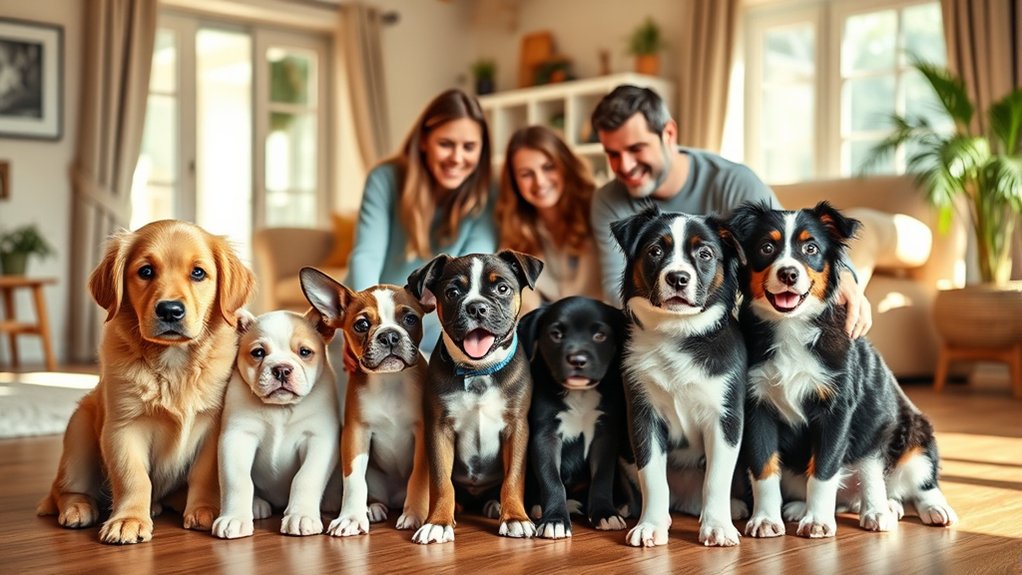
You’ll want to match a puppy’s breed with your lifestyle to keep both of you happy. So, think about how much space you have and how active you are each day. That way, you can pick a pup that fits well in your home and routine.
Consider Your Lifestyle
Since different breeds have unique needs and energy levels, matching a puppy to your lifestyle is essential. Consider how much time you can dedicate to pet grooming and training techniques. Active breeds require more exercise and consistent training, while low-energy dogs may fit better with a relaxed routine.
Use this table to help decide:
| Energy Level | Grooming Needs | Training Focus |
|---|---|---|
| High | Moderate to High | Advanced techniques |
| Medium | Moderate | Basic to intermediate |
| Low | Low | Simple commands |
Think about your daily schedule and how much effort you’ll put into training and grooming. This reflection guarantees you pick a breed that complements your lifestyle, creating a happier home for both you and your puppy.
Evaluate Space Requirements
How much space do you have at home for a new puppy? Before choosing a breed, evaluate your living area carefully. Space optimization is vital; a large, active breed might feel cramped in a small apartment.
Look at your furniture arrangement and see if you can create a safe, open spot where your puppy can move comfortably. Puppies need room to explore and play, so consider how your furniture affects their space.
If rearranging furniture isn’t feasible, you might want to opt for a smaller breed that adapts well to limited space. Taking these factors into account guarantees you pick a puppy that fits your home environment, making life easier for both of you from day one.
Assess Activity Levels
Once you’ve figured out the space you can offer, the next step is to think about how active your lifestyle is and how much energy your future puppy will need. Different breeds require different levels of puppy exercise, so matching your activity routines with your puppy’s energy is vital.
If you enjoy daily runs or hikes, a high-energy breed will thrive with you. Conversely, if your days are mostly sedentary, consider a breed that’s content with shorter walks and playtime. Evaluating activity levels helps prevent frustration for both you and your puppy.
Where to Find Trusted Shelters and Rescue Groups
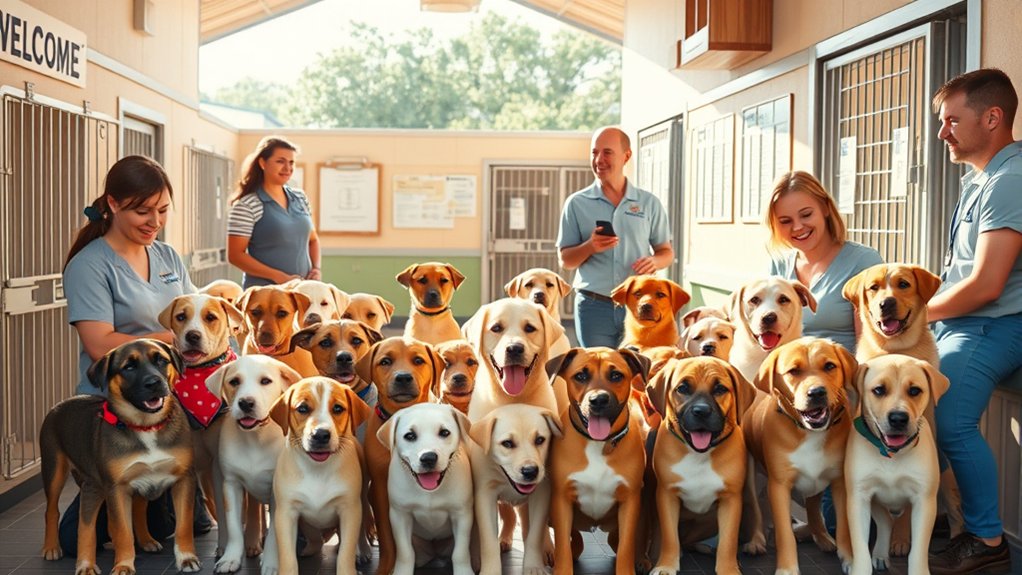
Finding a trusted shelter or rescue group is the first step toward giving a puppy a loving home. You want to choose a place that prioritizes the well-being of their animals and maintains clear adoption paperwork. This guarantees a smooth process and that you understand the shelter policies before bringing your new puppy home.
Start by researching local shelters and rescue groups with strong reputations. Look for organizations that are transparent about their procedures and care standards.
Here are some tips to find trusted shelters and rescue groups:
- Check online reviews and ask for recommendations from vets or friends.
- Visit facilities to observe cleanliness and staff interaction with animals.
- Confirm they follow strict shelter policies and provide thorough adoption paperwork.
Know Puppy Adoption Requirements and Fees
After identifying a trusted shelter or rescue group, you’ll need to understand their specific adoption requirements and fees. Each organization sets its own rules, so check what documents you’ll need, such as ID or proof of residence. Most shelters require you to complete adoption paperwork, which legally transfers ownership and confirms your commitment to care for the puppy.
Be prepared to pay an adoption fee that usually covers essential expenses like puppy vaccination, spaying or neutering, and microchipping. This fee varies depending on the shelter but helps support their ongoing rescue efforts. Some places might also require a home visit or references to ensure your environment suits a puppy.
Knowing these details upfront saves time and helps you prepare financially and logistically for your new furry friend. Make sure to ask about any additional costs or policies so there are no surprises during the adoption process.
Visit Shelters and Meet Puppies Ready for Adoption
First, look up local animal shelters that have puppies ready to find their forever homes. When you go, take your time to meet the puppies face-to-face. This way, you’ll really get a feel for their personalities. Keep an eye on how they act so you can pick the one that fits best with your lifestyle.
Finding Local Animal Shelters
Visiting local animal shelters is one of the best ways to find puppies ready for adoption in your area. When searching for shelters, consider these tips to streamline your visit and guarantee a good match:
Check online directories or community boards for nearby shelters with available puppies. Then, contact shelters to inquire about breed selection options or upcoming adoption events.
Also, ask about the shelter’s approach to puppy training and socialization, since this impacts a puppy’s behavior and adjustment.
Meeting Puppies In Person
How do you know which puppy is the right fit for your home? Visiting shelters and meeting puppies in person gives you the best chance to find out. When you interact with them, pay attention to each puppy’s temperament. Are they calm, playful, or shy? This helps you gauge how they might fit into your lifestyle.
Also, consider breed characteristics, as they often influence energy levels, size, and care needs. Talking to shelter staff can provide insights into each puppy’s background and personality. Meeting puppies face to face lets you connect emotionally and assess which one feels like a natural match.
This hands-on experience is essential before making a decision, ensuring you choose a puppy that suits both your home and heart.
Observing Puppy Behavior
Once you’ve met the puppies, take time to observe their behavior closely. Puppy communication reveals a lot about their temperament and how they might fit into your family. Watch for subtle behavior cues that show confidence, fear, or curiosity. These signals help you understand each puppy’s personality before deciding.
Pay attention to:
- How they interact with people and other dogs, showing social skills or shyness
- Their response to new sounds and movements, indicating adaptability
- Body language like tail wagging, ear position, and eye contact for emotional state
Key Questions to Ask Before Adopting a Puppy
Before bringing a new puppy home, you’ll want to ask several important questions to make certain you’re ready for the commitment and that the puppy is a good fit for your lifestyle. Inquire about the puppy’s current diet to understand their puppy nutrition needs, which will help you provide the right food from day one.
Ask about any known health issues or vaccinations to guarantee you’re prepared for future care. Find out about the breeder or shelter’s recommended training techniques; knowing their approach can help you maintain consistency and set your puppy up for success.
Also, ask about the puppy’s temperament and energy level to see if it aligns with your daily routine. Clarify any socialization history to anticipate how your puppy might interact with other pets or people.
These questions will give you a clearer picture of what adopting this puppy involves and help you make an informed, confident decision.
Complete Your Puppy Adoption Application
Although adopting a puppy is exciting, you’ll need to complete an adoption application to move forward. This step helps shelters confirm that you’re ready for the responsibility and that the puppy will thrive in your home. The application typically covers your lifestyle, experience with pets, and how you plan to handle puppy training.
When filling out the adoption paperwork, be honest and detailed. This information helps match you with a puppy suited to your needs and capabilities. Expect to provide:
- Your daily routine and availability for puppy training sessions
- Previous experience with dogs or pets
- Your home environment and any restrictions that might affect the puppy’s care
Completing the application carefully increases your chances of approval and sets the foundation for a successful adoption. Once approved, you’ll be one step closer to welcoming your new four-legged companion.
Prepare Your Home for Puppy Adoption
As you prepare to bring your new puppy home, setting up a safe and welcoming environment is essential. Puppy training starts with creating spaces free of hazards. Secure cords, remove toxic plants, and block off unsafe areas.
Set up a cozy spot with a bed and toys to help your puppy feel secure. Follow nutrition guidelines by having the right food and water bowls ready. This will ensure a smooth changeover to their new diet.
Here’s a simple guide to prepare emotionally and practically:
| Feeling | Preparation Tip |
|---|---|
| Excitement | Set up puppy essentials |
| Responsibility | Childproof your home |
| Love & Patience | Plan consistent routines |
Plan Your Puppy Adoption’s First Days at Home
Once your home is ready, focus on planning your puppy’s first days to help them settle in smoothly. Establish a consistent routine that includes feeding, playtime, and rest. This will ease your puppy’s adaptation.
Plan your puppy’s first days with a consistent routine of feeding, play, and rest for smooth adaptation.
Prioritize puppy nutrition by offering high-quality food in small, frequent meals to support their growth and energy needs.
Introduce basic training techniques early, such as crate training and simple commands, to build good habits right away. Keep interactions calm and positive to reduce stress.
Remember to:
- Create a quiet, comfortable space for your puppy to rest and feel secure.
- Monitor their behavior and adjust training techniques to suit their personality.
- Schedule short, gentle play sessions to build trust and encourage socialization.
Book Your Puppy’s First Vet Visit and Care
Before your puppy fully settles in, you should schedule their first vet visit to guarantee they’re healthy and up to date on vaccinations. This appointment is vital for a thorough health check, starting their puppy vaccination schedule, and discussing preventive care.
You’ll also get advice on nutrition, behavior, and parasite control. Don’t forget to ask about pet insurance; it can save you money on unexpected health issues.
Here’s a quick guide on what to expect during the first vet visit:
| What to Expect | Why It Matters |
|---|---|
| Physical Exam | Detects any health issues early |
| Puppy Vaccination Plan | Protects against common diseases |
| Parasite Screening | Prevents infestations |
| Nutrition Advice | Supports healthy growth |
| Pet Insurance Options | Helps manage future expenses |
Booking this visit early sets a solid foundation for your puppy’s lifelong health.
Frequently Asked Questions
How Do I Train My New Puppy to Stop Biting?
To stop your new puppy from biting, understand that puppy teething causes discomfort, making them nip more. When they bite, immediately say “ouch” firmly to teach bite inhibition because biting hurts.
Redirect their attention to chew toys to satisfy teething needs. Consistently reward gentle play and avoid roughhousing so they learn appropriate behavior.
With patience and consistency, your puppy will develop good bite inhibition and reduce biting over time.
What Vaccinations Does My Puppy Need After Adoption?
Your puppy needs core vaccinations like distemper, parvovirus, adenovirus, and rabies after adoption. You’ll also want to discuss optional vaccines like Bordetella with your vet.
While keeping up with puppy grooming, you can make vaccination visits smoother by crate training your pup. This helps reduce stress during vet trips.
Regular vet visits guarantee your puppy stays healthy, so stick to the vaccination schedule and combine it with grooming and crate training routines.
How Can I Socialize My Puppy With Other Dogs?
Want your puppy to be confident around other dogs? Start by arranging puppy playdates with friendly, vaccinated pups to encourage positive interactions.
Enroll in socialization classes where your puppy can learn proper behavior in a controlled environment. These experiences help your puppy develop good manners and reduce fear or aggression.
What Is the Best Diet for a Growing Puppy?
The best diet for a growing puppy focuses on balanced puppy nutrition, rich in protein, healthy fats, and essential vitamins. You’ll want to choose high-quality commercial puppy food formulated for growth stages.
Adding dietary supplements like omega-3 fatty acids or probiotics can boost their immune system and brain development, but always check with your vet first. Feeding small, frequent meals supports their energy needs and keeps digestion smooth.
How Do I Prevent Separation Anxiety in My Puppy?
You can prevent separation anxiety in your puppy by starting puppy crate training early. Make the crate a cozy, safe space where your pup feels secure.
Use soothing noise techniques like white noise or soft music to comfort them when you leave. Gradually increase alone time so your puppy gets used to being by themselves.
Consistency and positive reinforcement will help your puppy stay calm and confident when you’re not around.
Conclusion
Adopting a puppy is like planting a seed that grows into a lifelong friendship. By choosing the right breed, preparing your home, and meeting all the adoption steps, you’re opening your heart and door to a new adventure.
Remember, every wagging tail brings joy and responsibility, so welcome the journey with open arms. Your puppy’s love will bloom beautifully when nurtured with care and patience from day one.
Adopting a puppy means embracing both the fun and the commitment. It’s a rewarding experience that creates a bond unlike any other.