How Can You Find Your Lost Dog in 7 Essential Steps?
Losing your dog is one of the most stressful experiences a pet owner can face. You’re not alone—many people struggle with the fear and uncertainty that come with a missing pet. Finding your lost dog quickly is crucial, and knowing the right steps to take can make all the difference in bringing them home safe.
If your dog goes missing, act fast by searching nearby areas and calling their name calmly. Use clear, recent photos highlighting unique features to share with neighbors and post on social media.
Alert local shelters and vets right away. Organize search efforts with your community and distribute flyers.
Take advantage of GPS trackers and pet apps for real-time location updates. Staying quick and connected boosts your chances of recovery. There’s more you can do to maximize your search success.
Key Takeaways
- Act quickly by searching nearby areas calmly and calling your dog’s name. This can increase your chances of finding them right away.
- Use clear, recent photos and detailed descriptions. Highlight any unique features to help others identify your dog easily.
- Engage neighbors and the community with flyers, social media posts, and coordinated search efforts in local hotspots.
- Contact local shelters and vets, and post on lost pet networks. Make sure to regularly update information and follow any leads you get.
- Use GPS trackers and pet apps for real-time location updates and behavior insights. These tools also connect you with broader community support.
Act Fast When Your Dog Goes Missing
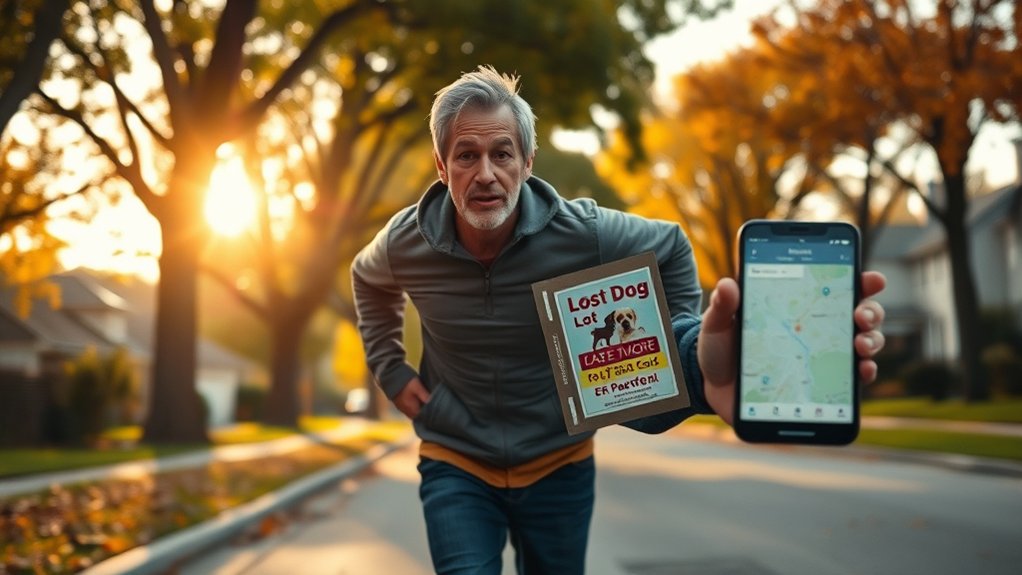
As soon as you realize your dog is missing, act quickly to increase the chances of finding them. Dogs’ behavior can change drastically when they’re scared or lost, so understanding this helps you stay calm and focused.
Your dog might hide nearby or wander off seeking familiar scents. Don’t wait. Immediately search your surroundings and call their name gently. Remember, your emotional support is vital; your dog can pick up on your feelings, so staying composed reassures them if they hear you.
Alert neighbors and ask them to check their yards, as your dog may be too frightened to approach strangers. Contact local shelters and vets to report your lost dog promptly.
Time is essential because the longer your dog is missing, the more stressed they become, which affects their behavior and safety. Acting fast with a clear plan boosts your chances of a happy reunion.
Use Clear Photos and Descriptions of Your Lost Dog
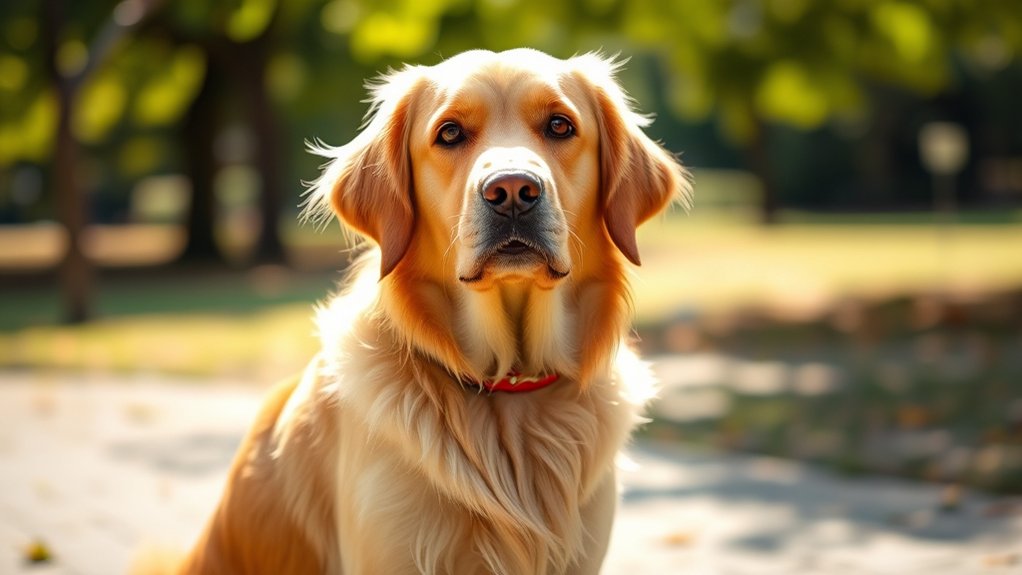
A clear, recent photo and an accurate description are essential tools when searching for your lost dog. These help others recognize your pet quickly and increase the chances of a safe return. When creating your materials, focus on details that highlight your dog’s unique features and behavior.
Here are three key points to include:
- Breed identification: Clearly state your dog’s breed or mix, as this helps people know exactly what to look for.
- Dog behavior: Describe typical behaviors, whether your dog is shy, friendly, or anxious, to prepare finders on how to approach.
- Distinctive markings: Point out unique fur patterns, scars, or collar colors that set your dog apart.
Using sharp, well-lit photos showing your dog from multiple angles can make all the difference. Remember, the clearer your description and images, the faster your community can help bring your beloved dog home.
Search Nearby Areas and Local Hotspots for Your Dog

Start by checking out the parks and trails near your home—dogs usually stick close to places they know well. Then, try visiting nearby neighborhoods and call your dog’s name, making sure to listen closely for any response. Make sure to cover these local hotspots thoroughly because it really ups your chances of finding your lost dog.
Check Parks And Trails
Many dogs are drawn to parks and trails because they offer familiar scents and open spaces. When searching, focus on these places where your dog experienced joy and dog enrichment before. They might return to spots where leash training sessions made them feel safe and happy.
Here’s how to check parks and trails effectively:
- Call your dog’s name softly while scanning the area for any movement or sounds.
- Bring your dog’s favorite leash or toy to help lure them back, triggering memories of positive moments.
- Talk to other park visitors and staff; they might have seen your canine companion nearby.
Visit Nearby Neighborhoods
After checking parks and trails, expand your search to nearby neighborhoods where your dog might have wandered. Use neighborhood mapping tools to identify streets, cul-de-sacs, and local hotspots like pet stores or community centers where your dog could be. Walk or drive these areas, calling your dog’s name and staying alert for any signs.
Don’t forget to talk to neighbors. They might have seen your dog or can help keep an eye out. Distribute flyers strategically, posting them on community bulletin boards, mailboxes, and busy intersections within the mapped area.
Include a clear photo, your contact info, and details about your dog’s behavior. Consistent flyer distribution combined with thorough neighborhood mapping increases your chances of reuniting with your pet quickly. Stay persistent and systematic in your search efforts.
Ask Neighbors to Help Find Your Lost Dog
You should let your neighbors know that your dog is missing so they can be on the lookout. It’s a good idea to organize a neighborhood search too. That way, you can cover more ground quickly and efficiently. Plus, having others involved really boosts your chances of finding your dog faster.
Inform Nearby Residents
A strong way to increase your chances of finding your lost dog is to inform nearby residents and ask for their help. Building community awareness ensures more eyes are looking out for your beloved companion. Here’s how you can do it effectively:
- Post clear flyers with your dog’s photo and your contact information on local bulletin boards and in nearby shops.
- Knock on doors to personally inform neighbors; their firsthand attention can make all the difference.
- Use social media groups focused on your neighborhood to spread the word quickly and widely.
When you involve the community, you create a network of caring people ready to help. This collective effort increases the likelihood your dog will be spotted and safely returned to you.
Organize Neighborhood Search
Once neighbors know about your lost dog, rallying them for a coordinated search can make a big difference. Use community networking to spread the word quickly. Create a group chat or social media post to organize search times and routes.
Encourage neighbors to keep an eye out during their daily routines. Setting up neighborhood signage with clear photos and contact info at busy intersections helps keep awareness high. Make sure signs are easy to read and placed where foot traffic is frequent.
Use Social Media and Lost Dog Networks
Where should you turn when your dog goes missing? Social media outreach and lost dog networks are powerful tools to spread the word quickly and widely. You can reach people who might spot your dog and want to help bring them home.
Social media and lost dog networks quickly connect you with others who can help find your missing pet.
Here’s how to make the most of these resources:
- Post clear photos and details on your social media accounts, including local community groups and pet pages. The more shares, the better the chance someone recognizes your dog.
- Join lost dog networks online, where members actively share sightings and tips. These networks often have dedicated volunteers ready to assist you.
- Update your posts regularly to keep the search fresh in people’s minds and maintain community support.
Using social media and lost dog networks fast-tracks your search by connecting you with neighbors and strangers alike, all enthusiastic to help reunite you with your loyal companion.
Contact Shelters and Vets About Your Lost Dog
Local animal shelters and veterinary clinics play an essential role in reuniting lost dogs with their owners. When your dog goes missing, immediately contact nearby shelters and vets to report your lost pet. They provide critical veterinary assistance if your dog is found injured or in distress.
Shelter outreach helps spread the word and increases the chances of a quick reunion.
Keep detailed records of the shelters and clinics you contact, including dates and contact persons. This organized approach guarantees you follow up effectively and don’t miss any leads.
| Shelter/Vet Name | Contact Number | Last Contact Date |
|---|---|---|
| City Animal Shelter | 555-1234 | 04/20/2024 |
| Green Vet Clinic | 555-5678 | 04/20/2024 |
| County Shelter | 555-8765 | 04/19/2024 |
| Downtown Vet | 555-4321 | 04/18/2024 |
| Rescue Center | 555-3456 | 04/17/2024 |
Stay persistent with your shelter outreach; it’s a key step toward finding your lost dog.
Try GPS Trackers and Pet Apps to Locate Your Dog
Although technology can’t guarantee finding your dog immediately, using GPS trackers and pet apps considerably improves your chances. These pet recovery tools let you monitor your dog’s location in real time. This is vital when considering dog behavior that might lead them to hide or wander far.
With a tracker, you can act quickly and minimize the time your dog is lost.
Here’s how these tools help:
- Instant Location Updates: You get real-time alerts, so you can track your dog’s movements and head straight to them.
- Community Support: Many pet apps connect you with local users who can help spot and report your dog.
- Behavior Insights: Some apps analyze your dog’s activity patterns, helping you understand where they might have gone based on their typical behavior.
Using GPS trackers and pet apps gives you a proactive way to find your dog faster, turning hope into action.
Frequently Asked Questions
How to Prevent My Dog From Running Away in the Future?
To prevent your dog from running away, use consistent training techniques like recall commands and boundary training. Reward your dog when they come back promptly to encourage good behavior.
Also, make sure your dog wears proper pet identification, such as a collar with tags and a microchip, so they can be returned quickly if they escape. Regular exercise and mental stimulation can reduce their urge to roam, keeping them safe and close to you.
What Are Common Reasons Dogs Get Lost?
Dogs get lost like leaves blown in the wind, unexpected and quick. Common reasons include chasing scents or animals, escaping through open gates, or getting scared by loud noises.
When you spot lost dog signs, act fast and use dog tracking methods like checking nearby parks or calling local shelters. Understanding these causes helps you stay alert and ready, so you don’t lose your canine companion in the first place.
How to Emotionally Cope With Losing a Pet?
You’ll cope with losing a pet by allowing yourself to fully experience the grieving process without rushing it. Don’t hesitate to seek emotional support from friends, family, or support groups who understand your bond.
It’s okay to feel sadness, anger, or confusion. These feelings are part of healing. Remember, you’re not alone, and reaching out for help can make this painful time more manageable as you honor your pet’s memory.
Should I Offer a Reward for My Lost Dog?
You should offer a reward for your lost dog, but be cautious. While rewards can motivate people to help, they sometimes attract scammers or false leads.
Instead, combine this with effective training techniques and scent tracking methods to increase your chances of success. Your dog’s scent is powerful, so using it alongside a reward can guide searchers in the right direction.
Always stay clear and honest about the reward to avoid confusion.
What Legal Steps to Take if My Dog Is Found by Someone?
If someone finds your dog, you should understand your legal responsibilities in lost dog recovery. First, check local laws about reporting found pets and reclaiming them. You’ll likely need to provide proof of ownership, like vaccination records or microchip info.
You should also stay in touch with shelters or animal control to ensure your pet’s safe return. Acting quickly helps protect your dog and respects others’ legal rights.
Conclusion
Losing your dog feels like the world’s ending, but don’t panic. You’ve got the power to bring them home. Act fast, use clear photos, and rally your neighbors.
Tap into social media and local shelters for extra help. Don’t forget GPS trackers and pet apps—they can be real lifesavers! Stay persistent.
Your loyal companion will be back by your side before you know it. Remember, every second counts when you’re on the hunt for your lost dog.