How to Understand Dog Actions: What Do They Mean?
If you’ve ever found yourself puzzled by your dog’s behavior, you’re not alone. Many people struggle to understand what their furry friends are trying to say. Knowing how to interpret dog actions can make a huge difference in strengthening your bond and meeting their needs.
To understand your dog’s actions, watch their tail, body, face, and eyes closely. A wagging tail usually means happiness, but the speed and posture tell more, like caution or excitement.
Notice body stiffness or relaxed muscles to gauge mood, and recognize facial cues like soft eyes or furrowed brows.
Eye contact and head tilts reveal attentiveness or stress. Spotting these signs helps you respond to their needs. Keep observing, and you’ll soon decipher deeper canine communication.
Key Takeaways
- Dog tail movements reveal emotions like friendliness, caution, fear, or excitement based on wag speed, position, and stiffness.
- Body language such as relaxed posture, stiff stance, ear position, and play bows indicate a dog’s mood and intentions.
- Facial expressions and head tilts help interpret curiosity, stress, confusion, or calmness in dogs.
- Eye contact varies from trust and affection to warning or discomfort depending on intensity and duration.
- Recognizing signs of anxiety, playfulness, attention-seeking, or desire for space supports better communication with dogs.
What Your Dog’s Tail Wagging Really Means
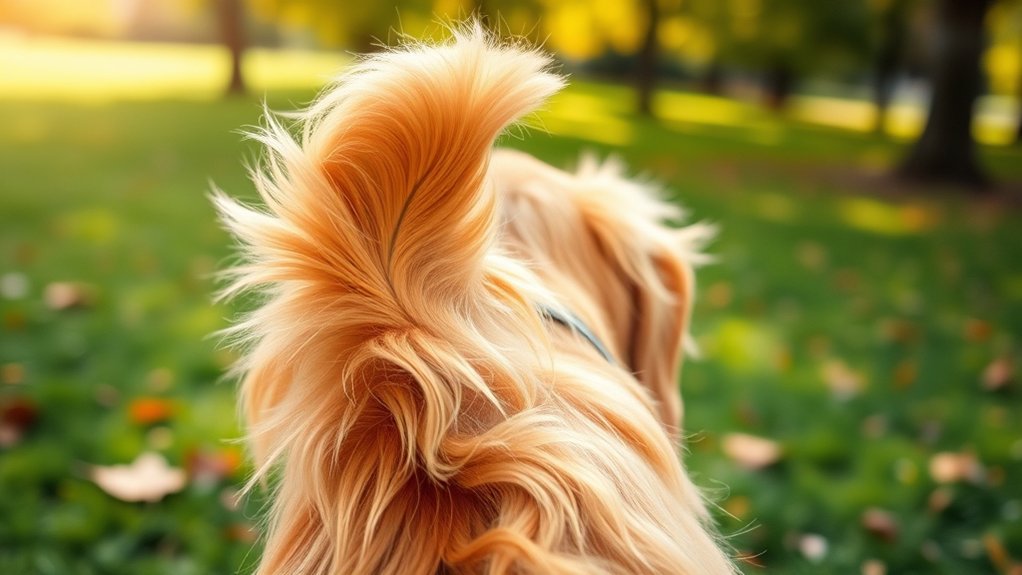
Although many people think a wagging tail always signals happiness, your dog’s tail movements can mean much more. In canine communication, tail wagging is a crucial part of dog social cues, helping them express feelings ranging from excitement to anxiety.
When your dog wags their tail energetically and broadly, it usually shows friendliness or enthusiasm to engage. But a slow, stiff wag might indicate caution or uncertainty.
The position of the tail also matters. Held high often means confidence or alertness, while a low or tucked tail suggests submission or fear.
By paying attention to these subtle differences in tail movement, you can better understand what your dog is trying to tell you. Recognizing these dog social cues allows you to respond appropriately, strengthening your bond and ensuring your dog feels safe and understood.
Tail wagging is just one piece of the complex puzzle of canine communication.
How to Spot What Your Dog’s Body Is Saying
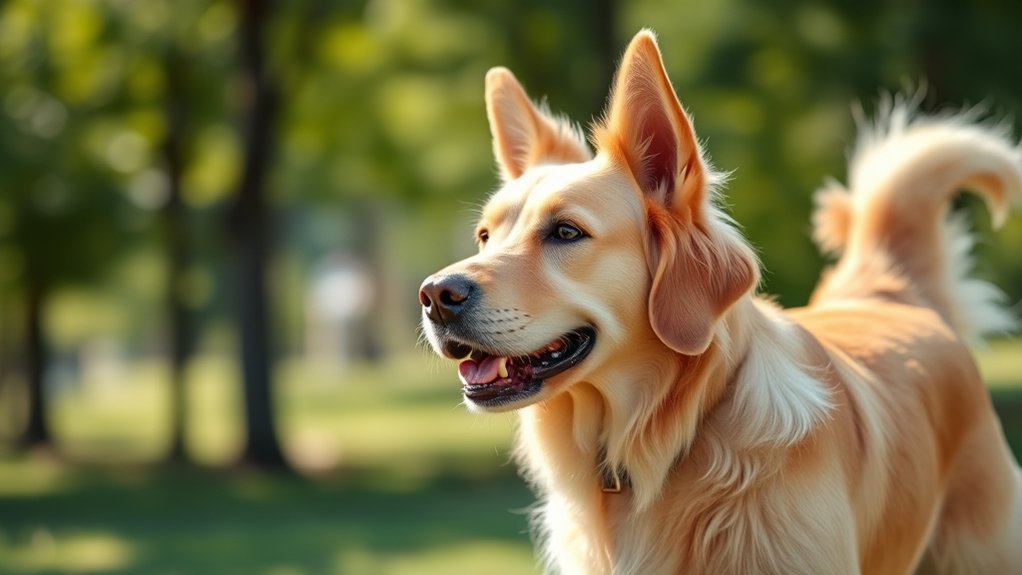
Understanding your dog’s tail wagging gives you valuable clues, but their entire body communicates just as much, if not more. To spot what your dog’s body is saying, observe their posture, movements, and overall tension. Dog communication relies heavily on these canine signals.
For example, a relaxed body with loose muscles usually means your dog feels safe and happy. Conversely, a stiff stance or raised hackles can signal alertness or discomfort.
Pay attention to how your dog positions their ears and shifts their weight; these are subtle but important canine signals. A tucked tail and lowered body often indicate fear or submission, while a playful bow shows they want to engage.
How to Read Your Dog’s Facial Expressions
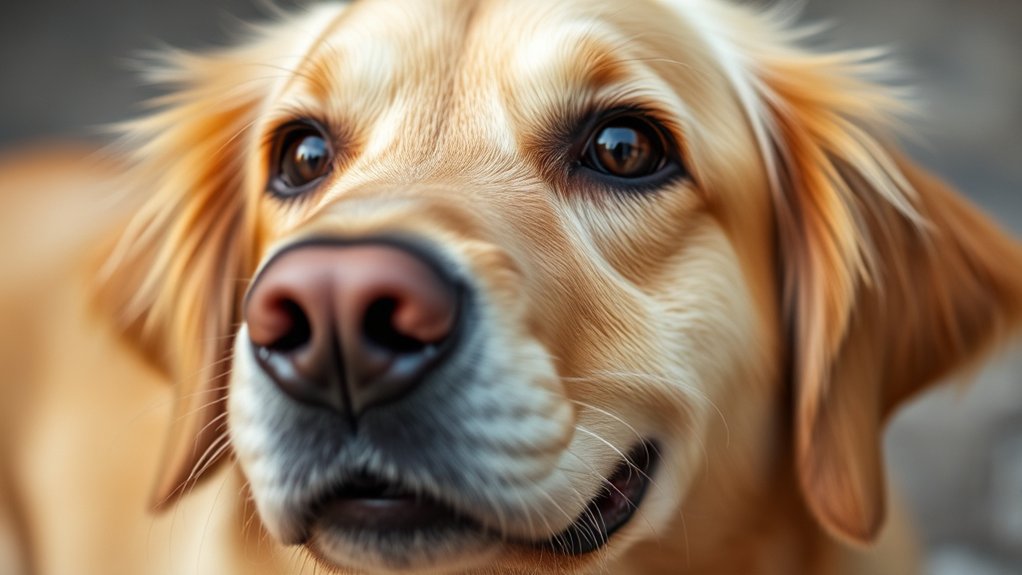
When you learn to read your dog’s facial expressions, you open a powerful way to understand their emotions and intentions. Facial cues like eye shape, ear position, and mouth movement are key parts of canine communication.
For example, soft eyes and relaxed ears usually signal calmness, while wide eyes and tense lips might indicate stress or alertness. Watching your dog’s face alongside their overall dog body language helps you get a clearer picture of what they’re feeling.
A furrowed brow or raised lip can mean discomfort or warning, so recognizing these signs helps you respond appropriately. By tuning into these expressions, you strengthen your bond and prevent misunderstandings.
Why Your Dog Tilts Their Head and What It Means
When your dog tilts their head, they’re usually trying to focus on a sound or figure out what you’re saying. It’s a curious little gesture that helps them catch subtle noises and signals more clearly. So, next time you see your pup doing this, know they’re really paying attention. And if you watch closely, this behavior can give you some cool clues about how your dog processes information.
Curiosity And Attention
Why does your dog tilt their head whenever you speak or make a new sound? This curious behavior shows they’re paying close attention and trying to understand you better.
When you use clear commands during dog training, your dog focuses intently, often tilting their head to interpret your tone and gestures. It’s their way of gathering information, much like when you introduce new grooming techniques. They watch carefully to learn what to expect.
This tilt also helps adjust their ears for better sound localization, enhancing their curiosity. So, next time your dog tilts their head, know it means they’re engaged, curious, and attentive, *keen* to connect and respond to you. It’s a small gesture packed with meaning in your communication.
Hearing And Understanding
How does your dog’s head tilt help them make sense of sounds around them? When your dog tilts their head, they’re adjusting their ears to better locate sounds and interpret dog vocalizations. This canine gesture shows they’re focused and trying to understand you or their environment.
You’ll notice this behavior especially when they hear unfamiliar noises or when you speak to them in varied tones. Recognizing these subtle cues helps you connect better with your dog.
| Head Tilt Angle | Meaning | Common Context |
|---|---|---|
| Slight | Curiosity | New sounds |
| Moderate | Attention | Commands or names |
| Deep | Confusion | Strange vocalizations |
| Repeated | Seeking clarity | Complex instructions |
| Accompanied by | Affection or bonding | Calm or playful tones |
Understanding these canine gestures deepens your communication.
How Your Dog Uses Eye Contact to Communicate
When your dog looks you in the eyes, they’re actually sending you important messages about how they feel. You can often tell how comfortable they are by the intensity and how long they hold that eye contact. So, learning to read these signals really helps you understand what your dog is trying to say.
Meaning Behind Eye Contact
Although eye contact may seem simple, your dog uses it as a powerful tool to communicate their feelings and intentions. Understanding this part of canine communication helps you interpret their emotions better. Here’s what their eye contact might mean:
- Trust and Bonding: When your dog holds gentle eye contact, it shows trust and affection, strengthening your bond through positive dog facial expressions.
- Alertness or Curiosity: Intense staring often signals curiosity or alertness, indicating they’re focused on something important.
- Warning or Discomfort: Prolonged, hard eye contact can be a warning sign or indicate discomfort, signaling you to respect their space.
Recognizing these cues helps you respond appropriately, deepening your connection and improving communication with your canine companion.
Signs of Comfort Levels
Why does your dog look away or blink slowly during eye contact? These subtle cues show comfort and trust. Dogs use eye contact differently depending on their feelings.
When your dog softly blinks or looks away, it’s signaling relaxation and non-threat. Tail positioning and dog scent also play roles in this communication. A wagging tail held mid-height with a relaxed dog scent means your dog feels secure.
Understanding these signs helps you read your dog’s comfort levels better.
| Eye Contact Behavior | Meaning |
|---|---|
| Slow blinking | Comfort, trust |
| Looking away | Avoidance, calmness |
| Direct stare | Alertness, possible stress |
| Soft gaze | Relaxed, friendly |
| No eye contact | Fear, discomfort |
What Your Dog’s Barks and Whines Really Mean
Since dogs can’t speak our language, they rely on barks and whines to communicate their feelings and needs. Understanding these sounds is essential for effective dog training and improving your canine communication skills. When your dog barks or whines, pay attention to the tone, pitch, and context. Here’s what to look for:
Dogs use barks and whines to express feelings; tuning into tone and context enhances communication and training.
- Alert or Warning Bark: A sharp, repetitive bark usually signals that your dog senses danger or something unusual. It’s their way of warning you.
- Attention-Seeking Whine: If your dog whines softly and repeatedly, they likely want your attention, maybe for play or comfort.
- Stress or Discomfort Whine: High-pitched, continuous whining can mean your dog feels anxious or uncomfortable.
What Pacing and Restlessness Mean in Dogs
How can you tell if your dog is feeling anxious or restless just by watching them? One key sign is their pacing patterns. Dogs often pace back and forth when they’re unsettled, signaling discomfort or a need for something.
Restlessness causes can vary, from boredom and lack of exercise to discomfort or anticipation of an event.
To better understand, check this quick guide:
| Pacing Patterns | Possible Restlessness Causes |
|---|---|
| Repetitive walking back and forth | Anxiety or stress |
| Circling or restless shifting | Physical discomfort or pain |
| Pacing near doors or windows | Anticipation or wanting to go outside |
Signs Your Dog Shows When They’re Anxious or Stressed
When your dog feels anxious or stressed, they often show subtle signs that you can learn to recognize. Understanding these signals helps you respond effectively and tailor your dog training approach. Keep in mind that breed differences can influence how these signs appear, so observe your dog closely.
Here are three common signs to watch for:
- Excessive licking or yawning These calming signals indicate discomfort or stress.
- Avoidance behaviors Your dog might turn their head away or hide to escape a stressful situation.
- Trembling or shaking Physical signs like trembling often mean your dog is feeling overwhelmed.
What Play Tells You About Your Dog’s Mood
When your dog starts playing, they’re actually giving you clear signals about how they feel. You can usually tell if they’re happy, relaxed, or even a little stressed just by the way they act during play. So, paying attention to these mood clues can really help you understand your dog better.
Playful Behavior Signals
Although play might seem like just fun and games, it actually reveals a lot about your dog’s mood and intentions. By observing playful behavior signals, you can better understand your dog’s feelings and social cues.
Keep in mind that dog socialization plays a huge role in how your dog interacts during play, and breed differences can affect their play style and energy levels. Here are three key playful behavior signals to watch for:
- Play bow: Your dog lowers the front half of their body, showing they want to engage and are friendly.
- Wagging tail: A loose, wagging tail usually signals excitement and happiness during play.
- Gentle mouthing: Soft nibbling or mouthing indicates your dog is playful, not aggressive.
Recognizing these helps you respond appropriately and strengthen your bond.
Mood Indicators During Play
How can you tell what your dog is feeling during play? Pay close attention to their body language, dog vocalizations, and breed specific signals. These clues reveal whether your dog is happy, excited, or overstimulated.
For example, playful growls usually mean fun, but sharp barks might signal stress. Some breeds have unique ways to express moods, so knowing your dog’s breed helps decode their signals accurately.
| Behavior | Vocalization Example | Mood Indicated |
|---|---|---|
| Loose body, wagging | Soft barks, play growl | Happy, relaxed |
| Stiff posture | Sharp bark, whine | Alert, cautious |
| Play bow | High-pitched yips | Inviting play |
| Tail tucked | Whimper | Anxious, uneasy |
| Quick lunges | Deep growls | Overstimulated |
How to Tell When Your Dog Wants Attention or Space
If your dog approaches you with a wagging tail and bright eyes, they’re likely seeking attention and interaction. Understanding dog body language helps you read these cues accurately. Canine communication isn’t just about noises; it’s about posture, eye contact, and tail movement.
To tell if your dog wants attention or space, observe these signs:
- Seeking Attention: Your dog may nudge your hand, bark softly, or lean into you. Their tail wags loosely, and their eyes look directly at you, inviting connection.
- Wanting Space: They might turn their head away, avoid eye contact, or tuck their tail slightly. Their body may become stiff or they might retreat slowly.
- Mixed Signals: Sometimes dogs show both, like wagging tails but stiff bodies. Pause and give them room, then gently try engaging again.
Frequently Asked Questions
Why Do Dogs Sometimes Eat Grass?
You might notice your dog eating grass because it’s a natural part of dog dietary habits. Dogs eat grass for several reasons, like aiding digestion or relieving stomach upset. Sometimes, they simply enjoy the taste or texture.
While occasional grass eating is normal, if your dog does it frequently or vomits afterward, it’s a good idea to check with your vet to rule out any health issues.
How Can I Tell if My Dog Is in Pain?
Imagine your dog’s usual joyful tail wag suddenly slows. This shift in dog body language says more than words ever could. You can tell if your dog is in pain by watching for changes in posture, limping, whimpering, or avoiding touch.
Canine communication often involves subtle signs like tucked tails, flattened ears, or restless pacing. Paying close attention to these signals helps you respond quickly and keep your loyal companion comfortable and safe.
What Does It Mean When My Dog Licks Me Repeatedly?
When your dog licks you repeatedly, they’re using canine communication to show affection, seek attention, or comfort themselves. This dog body language often means they trust you and want to bond.
Sometimes, licking can signal stress or a need for reassurance. Pay attention to their overall posture and facial expressions to understand their exact feelings.
Why Do Dogs Dig Holes in the Yard?
Dogs dig holes in the yard because it’s a natural dog behavior rooted in instincts like hunting, hiding food, or cooling off. You might notice this especially if your dog’s bored or has excess energy.
To manage this, you’ll want to focus on yard maintenance by keeping the area engaging with toys or designated digging spots. That way, your dog satisfies their urge without ruining your yard.
How Can I Train My Dog to Stop Barking Excessively?
You’ll need patience, consistency, and positive reinforcement to train your dog to stop barking excessively. Start by establishing routines that show when barking is okay and when it’s not.
Reward your dog with treats and praise when they stay quiet. Gently redirect their attention when they bark unnecessarily. Over time, your dog will learn to associate calm behavior with good outcomes, reducing excessive barking for good.
Conclusion
Understanding your dog’s actions helps you build a stronger bond. For example, imagine your dog wagging its tail slowly while avoiding eye contact. It’s likely feeling unsure, not just happy.
By noticing these subtle cues, you can respond better to their needs, whether they want comfort or space. Paying attention to their body language, facial expressions, and behaviors lets you communicate more clearly.
This way, you can enjoy a happier, healthier relationship together by truly understanding your dog’s actions.