
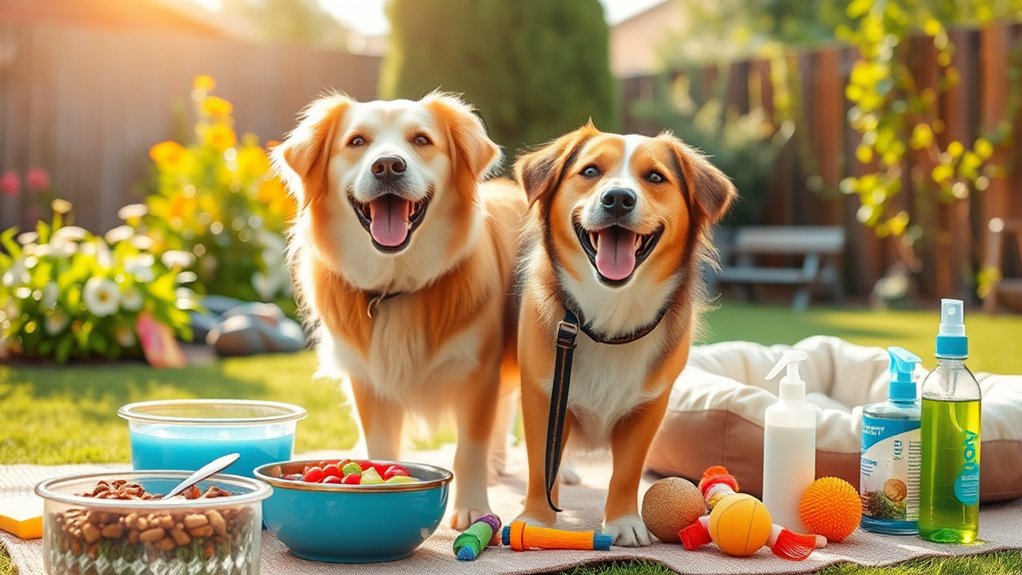
What Do Dogs Need to Live: 7 Essentials
Caring for a dog can sometimes feel overwhelming, especially when you’re trying to figure out exactly what they need to thrive. You’re not alone—many dog owners struggle with balancing nutrition, exercise, and emotional care. If you want to ensure your furry friend lives a happy, healthy life, understanding the essentials is key.
To keep your dog happy and healthy, provide balanced nutrition with quality food and fresh water daily.
Offer safe, weather-appropriate shelter and guarantee regular exercise to maintain fitness and prevent boredom.
Schedule routine vet visits for vaccines and health checks.
Engage your dog with mental stimulation like puzzle toys and scent games.
Most importantly, give plenty of love and social interaction to support emotional well-being.
Find out how each of these essentials contributes to your dog’s thriving life.
Key Takeaways
- Balanced nutrition with proteins, fats, vitamins, and fresh water is vital for energy, immune health, and hydration.
- Weather-appropriate shelter and comfortable bedding protect dogs from environmental extremes and maintain warmth.
- Daily exercise and mental stimulation prevent behavioral issues and support physical and cognitive health.
- Routine veterinary care, including vaccinations and parasite prevention, ensures early illness detection and overall health.
- Consistent social interaction and affection promote emotional well-being and strengthen the human-dog bond.
Balanced Nutrition for a Healthy Dog

Although every dog has unique dietary needs, providing balanced nutrition is essential to keep your dog healthy and energetic. You want to focus on a dog diet that includes the right mix of proteins, fats, carbohydrates, vitamins, and minerals. High-quality commercial dog food often covers these bases, but you should always read labels carefully.
If your dog has specific health concerns or dietary gaps, nutritional supplements can play a valuable role. They help fill nutritional voids and support overall well-being. Keep in mind that over-supplementing can be harmful, so it’s best to consult your vet before adding supplements to your dog’s diet.
Tailoring the dog diet to your pet’s age, size, and activity level ensures balanced nutrition. By doing this, you’re setting the foundation for a strong immune system, healthy coat, and sustained energy throughout your dog’s life.
Fresh Water Needs for Dogs
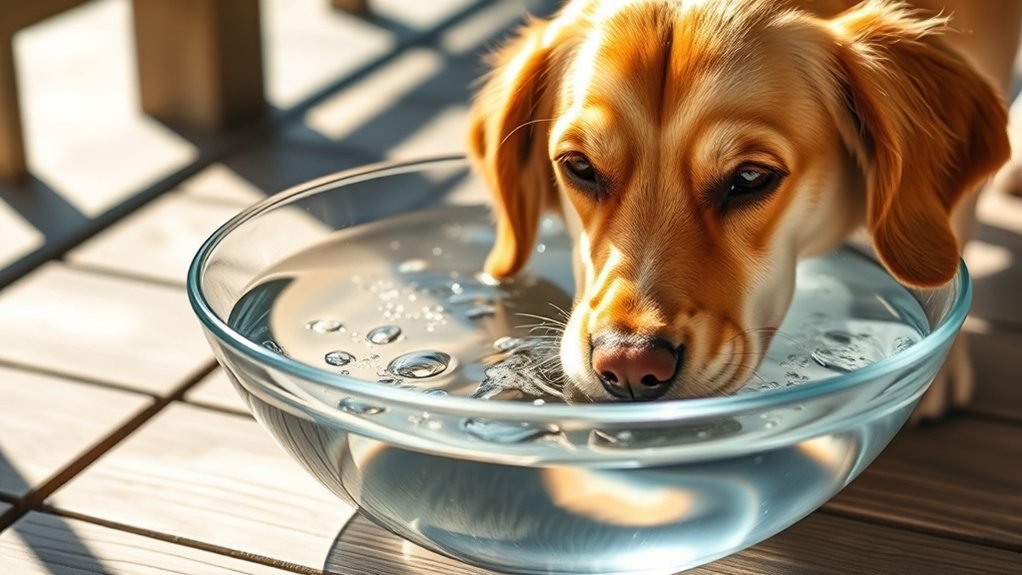
Alongside balanced nutrition, providing your dog with fresh water is just as important to keep them healthy. You need to understand the hydration importance for your dog’s overall wellbeing. Water supports digestion, regulates body temperature, and helps flush out toxins.
Fresh water is essential for your dog’s digestion, temperature regulation, and toxin removal.
Without enough water, your dog can quickly become dehydrated, leading to serious health issues.
Make sure the water quality is always high by offering clean, fresh water daily. Avoid stagnant or dirty water, as it can harbor bacteria and cause illness.
Change the water frequently, especially during hot weather or after exercise, to keep it cool and appealing. You might also consider multiple water bowls around your home to encourage consistent drinking.
Safe, Cozy Shelter for Dogs Year-Round
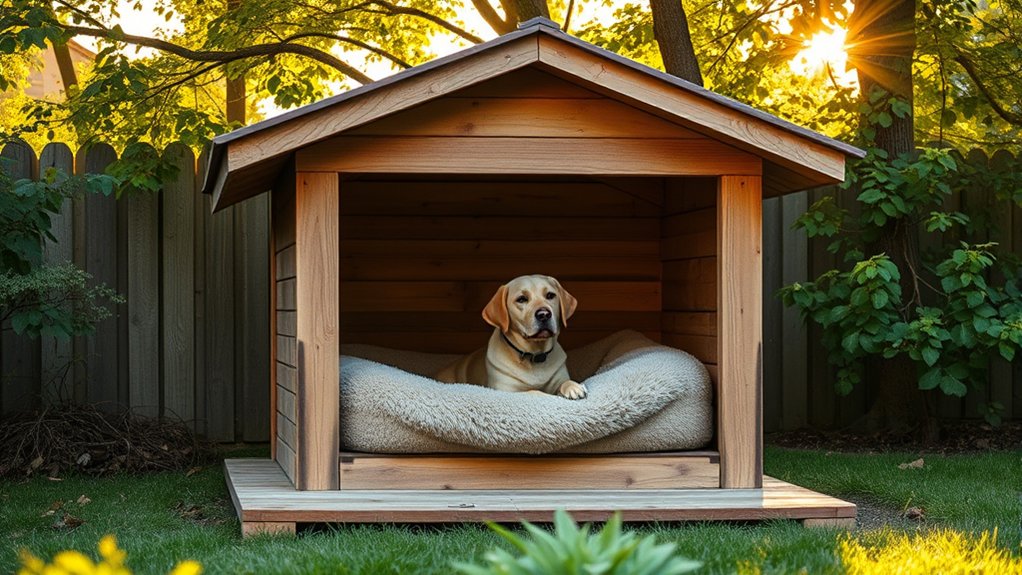
You’ll want to make sure your dog has shelter that matches the weather outside. This means keeping them safe from rain, wind, and those really hot or cold days.
Find a cozy spot and add some comfortable bedding so your dog can relax and feel secure. Having a safe, warm place is super important for your dog’s well-being no matter what time of year it is.
Weather-Appropriate Dog Housing
When you provide your dog with weather-appropriate housing, you guarantee they stay safe and comfortable no matter the season. A sturdy dog house designed for your local climate offers essential weather protection against rain, wind, snow, or heat.
Make sure the dog house is insulated if you live in a cold area, keeping warmth inside during winter. In hot climates, choose one with ventilation to prevent overheating. Raise the dog house off the ground to avoid moisture and cold seeping in.
Position it in a shaded spot during summer and a sheltered place from harsh winds in winter. By tailoring your dog’s shelter to the weather, you’ll help them thrive all year without exposure to uncomfortable or dangerous conditions.
Comfortable Bedding Options
Although a sturdy dog house protects your pet from the elements, comfortable bedding inside is essential to create a cozy, safe shelter year-round. When choosing dog bed options, consider materials that offer both support and warmth, such as memory foam or orthopedic beds for older dogs.
Bedding materials like fleece, cotton, or waterproof fabrics work well to keep your dog comfortable and dry. You can also add removable, washable covers to maintain cleanliness easily.
In colder months, layering with insulated pads or heated beds can provide extra warmth. For warmer seasons, breathable bedding helps prevent overheating.
Regular Exercise to Keep Dogs Happy and Fit
You need to make sure your dog gets daily exercise to stay happy and healthy. Taking regular walks and having playtime together not only help boost their fitness but also give them important mental stimulation. So, let’s take a look at some safe and fun ways to keep your dog active outdoors.
Benefits of Daily Walks
Why should you make daily walks a priority for your dog? Daily walks offer numerous dog walking benefits that go beyond just physical exercise. They help maintain a healthy weight, improve cardiovascular health, and strengthen muscles.
Consistent exercise routines also regulate your dog’s energy levels, reducing restlessness and destructive behavior at home. Going for walks stimulates your dog’s senses, providing fresh air and new sights and smells, which can improve overall well-being.
Beyond physical health, walking together strengthens your bond and improves socialization skills when your dog meets other dogs or people. By committing to daily walks, you’re ensuring your dog stays happy, healthy, and balanced, making it a vital part of their daily care and exercise routines.
Mental Stimulation Through Play
When dogs engage in play, their minds stay sharp and focused, preventing boredom and anxiety. You can boost your dog’s mental health by introducing puzzle toys that challenge them to solve problems for treats. These toys keep your dog entertained while stimulating their brain.
Scent games are another fantastic way to engage your dog’s natural sniffing instincts. Hide treats or toys around the house and encourage your dog to find them, turning mental exercise into a fun activity.
Regular mental stimulation through play not only keeps your dog happy but also improves their focus and reduces destructive behaviors caused by restlessness. By making playtime interactive and challenging, you help your dog stay fit mentally, complementing their physical exercise routine.
Safe Outdoor Exercise Tips
Although outdoor exercise is essential for your dog’s health, ensuring they stay safe during these activities is just as vital. You want your canine companion to enjoy playtime without risking injury or getting lost. Prioritize fencing safety by checking for gaps or weak spots that your dog might escape through.
Leash training is another key factor. It keeps your dog close and under control, especially in unfamiliar areas.
To keep your dog safe and happy outdoors, remember to:
- Use a sturdy leash and collar or harness for walks
- Supervise playtime in fenced yards to prevent escapes
- Avoid extreme weather conditions that could harm your dog
Routine Veterinary Care for Dogs: Vaccines and Checkups
To keep your dog healthy and happy, you need to schedule regular veterinary visits that include vaccines and checkups. Following recommended vaccination schedules is vital to protect your dog from common diseases like rabies, distemper, and parvovirus. Your vet will guide you on the timing and type of vaccines based on your dog’s age, lifestyle, and health status. Don’t skip these appointments, as vaccines boost immunity and prevent serious illnesses.
Veterinary checkups go beyond vaccinations. During these visits, your vet will perform physical exams, monitor weight, and check for signs of illness or parasites. Early detection of health issues ensures prompt treatment and improves your dog’s quality of life. These routine visits also give you a chance to discuss diet, behavior, and any concerns. Staying consistent with vaccination schedules and veterinary checkups is a vital part of responsible dog ownership that keeps your loyal companion thriving.
Mental Stimulation Activities to Prevent Boredom
Keeping up with your dog’s health through regular vet visits is just one part of caring for them. To truly keep them happy and balanced, you need to engage their mind daily. Mental stimulation activities prevent boredom and destructive behaviors, making your dog feel fulfilled and loved.
Regular vet visits are vital, but daily mental engagement keeps your dog happy and prevents boredom.
Try incorporating these fun activities into your routine:
- Puzzle toys: Challenge your dog’s problem-solving skills while rewarding them with treats.
- Scent games: Hide treats around the house or yard, encouraging your dog to use their incredible nose.
- Training sessions: Teach new tricks or reinforce commands, keeping their brain sharp and focused.
Why Social Interaction and Love Are Essential for Dogs
Because dogs are social animals, they thrive on interaction and affection from their human companions. When you engage in regular dog socialization, you help your furry friend build confidence and reduce anxiety. This interaction isn’t just about play; it’s about fostering trust and a strong bond. Canine companionship offers emotional support that keeps your dog happy and mentally healthy.
You’ll notice that dogs who receive plenty of love and social contact tend to be calmer and less destructive. Without it, they may develop behavioral problems or feel isolated. Spending quality time with your dog, whether through walks, play, or cuddles, fulfills their need for connection. Remember, social interaction and love are just as essential as food and shelter for your dog’s well-being. By prioritizing these, you ensure your dog leads a balanced and joyful life.
Frequently Asked Questions
How Do I Train My Dog to Stop Barking Excessively?
You can stop your dog’s excessive barking by using consistent dog training techniques focused on barking control. Start by identifying triggers and rewarding quiet behavior with treats or praise.
Use commands like “quiet” and reinforce them patiently. Avoid yelling, which can actually make the barking worse.
Regular exercise helps reduce the extra energy that causes barking. With patience and consistency, your dog will learn to control their barking and respond calmly to your cues.
What Are the Signs of Common Dog Allergies?
You might notice your canine companion’s “itchy dance” or “unplanned scratch parties” as gentle hints of common dog allergies. Allergy symptoms often include sneezing, watery eyes, or red, irritated skin.
Changes in your pet diet could also trigger tummy troubles like vomiting or diarrhea. Keep an eye out for these signs, and don’t hesitate to chat with your vet to fine-tune your dog’s diet and comfort level.
How Can I Safely Introduce My Dog to New Pets?
You can safely introduce your dog to new pets by using proper pet introduction techniques. Start with controlled, neutral territory meetings to encourage positive dog socialization. Keep both pets on leashes and observe their body language closely, stepping in if tension rises.
Gradually increase their time together, rewarding calm behavior. Patience and consistency are crucial, so don’t rush. This approach helps build trust and guarantees a smooth, stress-free introduction.
What Are the Best Grooming Tools for Different Dog Breeds?
The best grooming tools depend on your dog’s coat type. Use breed-specific brushes to match their fur. Slicker brushes work great for long-haired breeds, while bristle brushes suit short-haired dogs.
For curly-coated breeds, a comb helps prevent mats. Incorporate grooming techniques like gentle brushing and regular trimming to keep their coat healthy. Customizing your tools and methods to your dog’s breed guarantees a comfortable, effective grooming routine.
How Do I Travel Safely With My Dog by Car?
Traveling with your dog is like setting out on a shared adventure, so prioritize dog travel safety. Always use a secured crate or a dog seat belt to protect your furry friend.
Pack essentials like water, snacks, and a leash. Take frequent breaks for bathroom and stretch time.
Keep car windows closed enough to avoid hazards but open slightly for ventilation. Following these car travel tips guarantees a safe, comfortable journey for both of you.
Conclusion
You might think just feeding your dog is enough, but they need so much more to truly thrive. Providing balanced nutrition, fresh water, and cozy shelter keeps them healthy, while regular exercise and mental stimulation keep their spirits high.
Don’t forget routine vet care and lots of love. These aren’t luxuries; they’re essentials. When you meet all these needs, you’re not just caring for a pet. You’re creating a loyal, joyful companion for life, which is exactly what dogs need to live.