

How to Look Up Dog Chip Number in 7 Easy Steps
Looking up your dog’s chip number can feel confusing and frustrating, especially when you need it most. You’re not alone—many pet owners struggle to find and verify this important information quickly. But having easy access to your dog’s microchip details is crucial for their safety and your peace of mind.
To look up your dog’s chip number, start by checking adoption or vet records for the number and chip brand. If unknown, visit a local shelter or vet to scan for the microchip.
Use the chip number on official registry websites to verify and update your contact info carefully. Contact the chip manufacturer if needed, and register your dog if unregistered. Keeping info current guarantees your pet’s safety.
You’ll find even more helpful tips just ahead.
Key Takeaways
- Locate the microchip number from adoption papers, vet records, or by scanning your dog at a shelter or vet clinic.
- Identify the microchip brand using paperwork or by contacting your vet for manufacturer details.
- Visit official microchip registry websites and carefully enter the microchip number to verify registration.
- Update your contact information promptly on the registry to ensure accurate pet identification.
- Keep the microchip number handy and bookmark registry sites for easy future access and updates.
How to Locate Your Dog’s Microchip Number

Wondering how to find your dog’s microchip number? First, check the paperwork you received when you got your dog, especially if you know your dog breed’s specific health requirements. Microchip details are often included in adoption or vet records.
If you have pet insurance, your policy documents might also list the microchip number since some insurers require it for coverage. If you don’t find it there, visit your vet or animal shelter; they can scan your dog’s microchip with a special scanner and provide the number.
Remember, this microchip number is unique to your dog and essential for identification, especially if your pet ever gets lost. Keeping this number handy helps you update pet insurance or register your dog with microchip databases quickly.
You don’t need to guess or worry. Finding the microchip number is straightforward once you know where to look.
How to Look Up Your Dog’s Chip Info Online
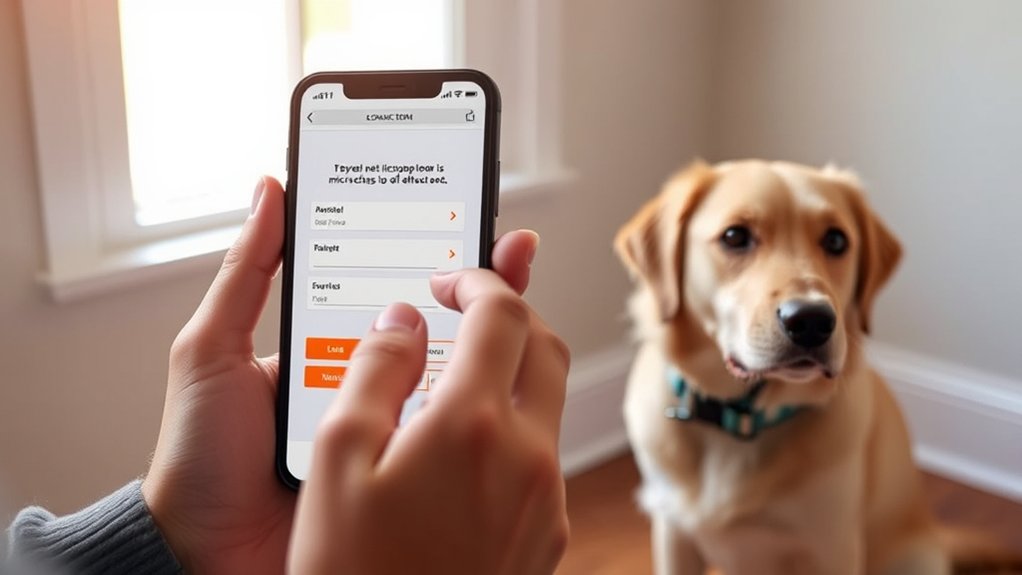
Once you have your dog’s chip number, go to an official microchip registry website. Just be sure to enter the information carefully so you get the right details. This way, you can quickly find your dog’s registration and contact info online without any hassle.
Find Your Chip Number
Although finding your dog’s chip number might seem tricky at first, it’s usually simple if you know where to look. Start by checking the paperwork you received from your vet or the shelter. This often includes the chip number.
If you don’t have those documents handy, your vet can scan your dog’s microchip and give you the number. Once you have the chip number, you can easily look up detailed info online.
Keeping this info accessible is just as important as regular dog training and ensuring proper pet nutrition. It helps you care for your dog effectively and keeps them safe.
Visit Official Registry Websites
When you have your dog’s chip number ready, you can visit official registry websites to access detailed information about your pet. These sites are designed to provide quick, accurate data such as your dog’s identification, vaccination records, and ownership details.
Using the chip number, you’ll confirm your pet’s registration status and update any necessary contact info. While exploring these registries, you might also find helpful resources on dog nutrition and puppy training, which can support your pet’s health and behavior.
Official registries often link to trusted guides, making it easier to care for your dog beyond just identification. Remember to bookmark these websites, so you can quickly access your dog’s info whenever needed. This step is vital for ensuring your dog’s safety and well-being.
Enter Information Accurately
Accessing official registry websites is only the first step. Accurately entering your dog’s chip number and related information online guarantees you get the correct details.
Mistyping even one digit can lead to errors, making it harder to reunite with your pet or confirm breed identification. Take your time to double-check each entry.
Precise data entry also helps maintain up-to-date records, which benefits dog training programs that rely on accurate breed info.
Contact Your Microchip Manufacturer

First, find out the brand of your dog’s microchip. You can usually spot this on the registration paperwork or the implant certificate. Next, look up the manufacturer’s contact details. These are often on their website or your vet might be able to help you with this. When you get in touch, make sure to have your dog’s chip number ready. That way, you’ll get accurate and speedy assistance.
Identify Microchip Brand
Although finding your dog’s microchip number is vital, identifying the microchip brand is just as important because it helps you contact the right manufacturer for registration and recovery services. Different companies use various microchip technology, so knowing the brand guarantees you’re dealing with the correct database.
The microchip brand often depends on your dog breed’s specific needs or the vet’s preferred system. You can usually find the brand on your pet’s paperwork or by asking your veterinarian.
If you only have the microchip number, use online lookup tools that can hint at the brand based on number patterns. Identifying the correct brand streamlines the process and improves the chances of reuniting with your dog quickly if they ever get lost.
Locate Manufacturer Contact Info
Once you know your dog’s microchip brand, you can easily find the manufacturer’s contact information to register or update your pet’s details. Start by visiting the manufacturer’s official website, as most provide clear contact options for pet owners.
Microchip technology companies often offer phone numbers, email addresses, or online forms dedicated to pet identification support. If you have trouble locating the info online, check the paperwork you received when your dog was chipped, as it usually contains manufacturer contact details.
Reaching out directly helps guarantee your dog’s microchip is properly registered, keeping your pet’s identification current and effective. Staying in touch with the manufacturer also allows you to ask questions about their microchip technology and update any changes promptly.
Provide Chip Number Details
When you contact your dog’s microchip manufacturer, have your chip number ready to provide accurate identification. This helps them quickly access your pet’s registration details and confirms ownership.
During the call, be prepared to share your contact information and your dog’s name, breed, and age. Providing precise details ensures smooth communication and speeds up the process.
While discussing your dog’s chip details, you might also ask about any updates related to pet nutrition or dog training resources they offer. Some manufacturers provide helpful tips or links to services that support overall pet wellness.
Keeping your chip information up to date is as important as maintaining your dog’s training routine and nutrition plan, ensuring your canine companion stays healthy and safe.
How Local Shelters and Vets Can Help With Your Dog’s Chip
If you’re unsure how to find your dog’s chip number, local shelters and veterinarians can be invaluable resources. They have scanners to quickly read the microchip implanted in your dog, helping you retrieve the number accurately. This service is often free or low-cost.
Besides chip scanning, vets can offer advice on dog training and pet nutrition, guaranteeing your dog’s well-being as you manage their identification.
Here’s how shelters and vets support you:
| Service Offered | How It Helps | Additional Benefits |
|---|---|---|
| Microchip Scanning | Retrieves your dog’s chip ID | Quick, accurate, usually free |
| Shelter Records | Access lost/found pet info | Reuniting pets with owners |
| Vet Consultations | Health checks and advice | Guidance on dog training & nutrition |
| Pet Registration | Update chip info | Ensures contact details are current |
Verify and Update Your Dog’s Chip Info
Although microchipping your dog is a crucial step, you still need to verify and update the information linked to the chip regularly. Keeping your contact details current ensures that if your dog gets lost, you’ll be reachable quickly. This is especially important if your dog’s breed identification or appearance changes due to growth or dog training outcomes.
To keep your dog’s chip info accurate, make sure you:
- Check the registry database annually for your dog’s current details.
- Update your phone number, address, and emergency contact if they change.
- Confirm the breed identification matches your dog’s current status.
- Notify the microchip company after any significant changes, like ownership or training milestones.
What to Do If Your Dog’s Chip Number Isn’t Registered
Should your dog’s chip number not appear in any registry, you’ll need to take immediate steps to guarantee your pet is properly identified. First, contact the microchip manufacturer to verify the chip details. If unregistered, register your dog’s chip in a recognized database promptly.
Meanwhile, make sure your dog wears a collar with ID tags as a backup. Alongside identification, maintaining good dog training and nutrition tips helps keep your pet safe and healthy. Well-trained dogs are less likely to wander off, reducing the risk of getting lost.
| Step | Action |
|---|---|
| Contact Manufacturer | Verify chip number and registration status |
| Register Chip | Enter your dog’s info in a national database |
| Use Backup Identification | Attach collar tags with contact information |
Taking these steps ensures your dog’s safety and aids quick recovery if lost, complementing your commitment to proper dog training and nutrition tips.
How to Keep Your Dog’s Microchip Info Up to Date
Keeping your dog’s microchip information current guarantees you can be reached quickly if your pet ever goes missing. Regularly updating your contact details ensures no delays in reuniting with your canine companion. It’s easy to overlook this, but it’s as important as maintaining their dog nutrition or practicing training tips.
To keep your microchip info up to date, follow these steps:
- Check your microchip registry account annually for accuracy.
- Update your phone number, address, and emergency contacts promptly after any changes.
- Notify the microchip company if you move or switch vets.
- Confirm registration details during your dog’s wellness visits, alongside discussions about dog nutrition and training tips.
Frequently Asked Questions
How Long Does a Dog Microchip Last?
A dog microchip can last your pet’s entire lifetime, often 10 to 15 years or more. Since the microchip placement is typically under the skin between the shoulder blades, it’s designed to stay secure and functional without needing replacement.
However, you should keep the microchip registration up to date to guarantee your contact info is current. That way, if your dog ever gets lost, you’ll be reunited quickly.
Can a Microchip Cause Health Problems in Dogs?
You want reassurance, you want facts, and you want peace of mind. Microchip safety is well-established, and health risks are extremely rare.
Most dogs live their whole lives with microchips without any issues. While tiny risks like infection or migration exist, vets handle implantation carefully to minimize them.
You can trust that microchips offer a safe, effective way to protect your dog without causing health problems.
Are Microchips GPS Trackers for Dogs?
No, microchips aren’t GPS trackers for dogs. They don’t provide real-time location like a GPS collar would.
Instead, microchip accuracy depends on proper microchip placement under your dog’s skin, usually between the shoulder blades. When scanned, the chip reveals a unique ID linked to your contact info, helping identify your dog if lost.
How Much Does Microchipping a Dog Cost?
Microchip implantation usually costs between $25 and $50, but prices can vary depending on your location and vet clinic. When you get your dog microchipped, you’ll also need to complete microchip registration to make sure your contact info is linked to the chip number.
Some shelters include microchipping in adoption fees, so it might be free. Always ask about both implantation and registration fees to avoid surprises.
Can a Dog Microchip Be Removed or Replaced?
You can’t just flip the script and remove a dog microchip easily. It’s designed to stay put for life. Different microchip types may vary slightly, but they’re implanted under the skin and meant to be permanent.
If you want to replace it, you’ll need a vet’s help. Remember, keeping your microchip registration updated is just as important as the chip itself. This ensures your pet’s info is always ready when needed.
Conclusion
Think of your dog’s microchip like a signal tower guiding them home through a storm. By knowing how to look up and update their chip info, you’re keeping that light shining bright.
When you take these simple steps, you’re not just tracking a number. You’re safeguarding your cuddly companion’s safe return.
So, stay vigilant and keep their info current, because every signal counts in bringing your loyal buddy back to your loving arms. Remember, knowing how to look up dog chip number is key to their safety.