
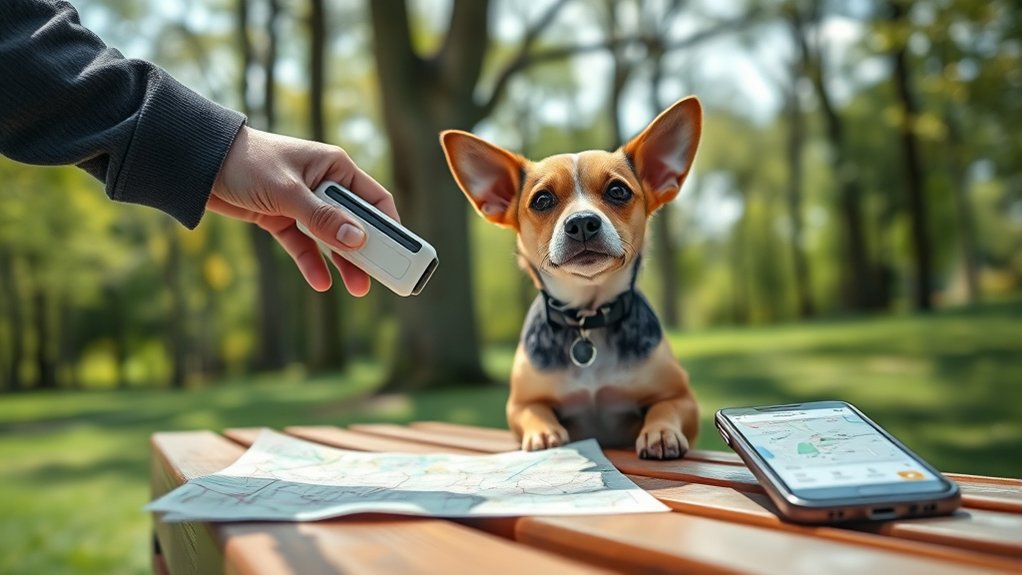
How to Find a Microchipped Dog in 5 Easy Steps
Losing a beloved dog is one of the most stressful experiences a pet owner can face. If your furry friend is microchipped but still nowhere to be found, you’re not alone—many people struggle with how to quickly and effectively locate their missing pet.
Finding your microchipped dog can feel overwhelming, but with the right steps, you can increase your chances of a happy reunion.
To find your microchipped dog, first confirm the chip info by having a vet or shelter scan it and updating the registration.
Search nearby areas like yards and parks where your dog might hide.
Contact local shelters and vets to report your missing pet and ensure they check for microchips.
Use social media to share posts with photos and details to widen your search.
Once found, follow key steps to care for your dog and confirm their chip works.
You’ll uncover helpful tips on what to do next.
Key Takeaways
- Have a vet or shelter scan your area for a microchip and get the chip number if your dog is found.
- Search familiar nearby spots like yards, parks, and alleys before expanding your search area.
- Contact local shelters, vets, and microchip registries to report your dog missing and confirm your registration info is up to date.
- Use social media and community networks to share photos and microchip details for wider visibility.
- After recovery, check that the microchip works, update registration info, and make sure your dog’s collar and tags are current.
How to Find and Check Your Dog’s Microchip Info
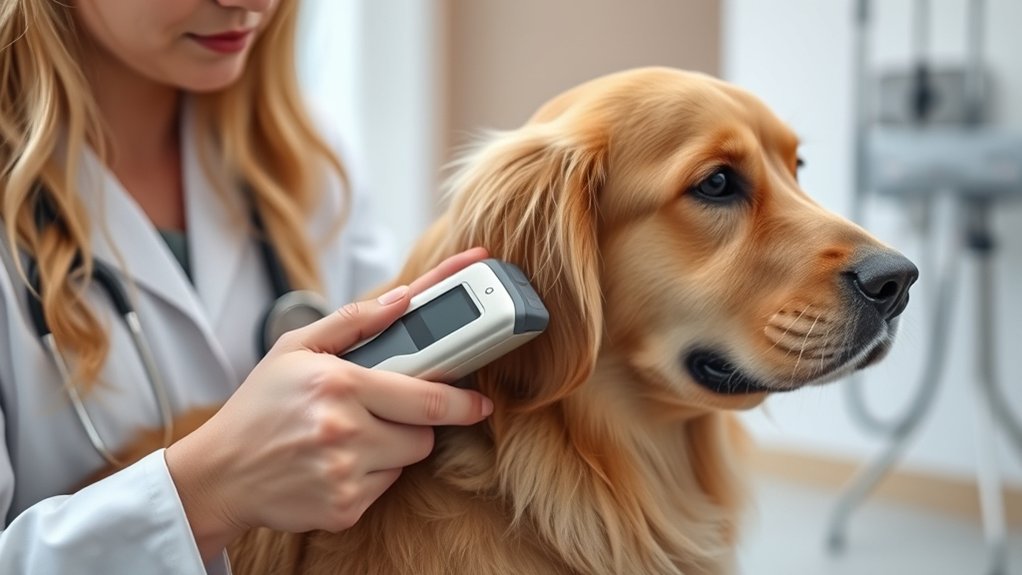
Before you can locate a lost dog using its microchip, you need to find and verify the chip’s information. Start by asking your vet or shelter to scan your dog for a microchip.
Once you have the microchip number, check it against the registration database. Microchip accuracy depends heavily on having the correct and current information linked to the chip. That’s why you should regularly update the registration whenever you move or change contact details.
Without updated info, rescuers can’t reach you quickly. If you’re unsure which registry your dog’s chip is registered with, use a universal pet microchip lookup tool online to track it down.
Confirming the microchip details guarantees you’re prepared if your dog goes missing. Don’t assume the microchip alone guarantees a quick reunion; your accurate and current registration is key to making it work effectively.
Where to Search First for Your Missing Microchipped Dog

When your dog goes missing, start your search close to home, as lost dogs often stay nearby, hiding out of fear or confusion. Check your yard, nearby bushes, and under porches or decks. Look for lost dog signs like torn fences or disturbed garbage that might hint at where your dog has been. Make sure your microchip registration info is up to date to increase the chances of a quick reunion.
Here’s a quick guide to where to look first:
| Location | What to Check |
|---|---|
| Home vicinity | Yards, garages, under decks |
| Neighborhood | Nearby parks, alleys, and trails |
| Familiar spots | Places your dog frequents |
Focus on these spots before widening your search. Your dog’s familiarity with these areas makes it more likely they’ll be found nearby. Keep an eye out for lost dog signs and update your microchip registration in case someone finds your pet.
How to Contact Shelters, Vets, and Microchip Registries
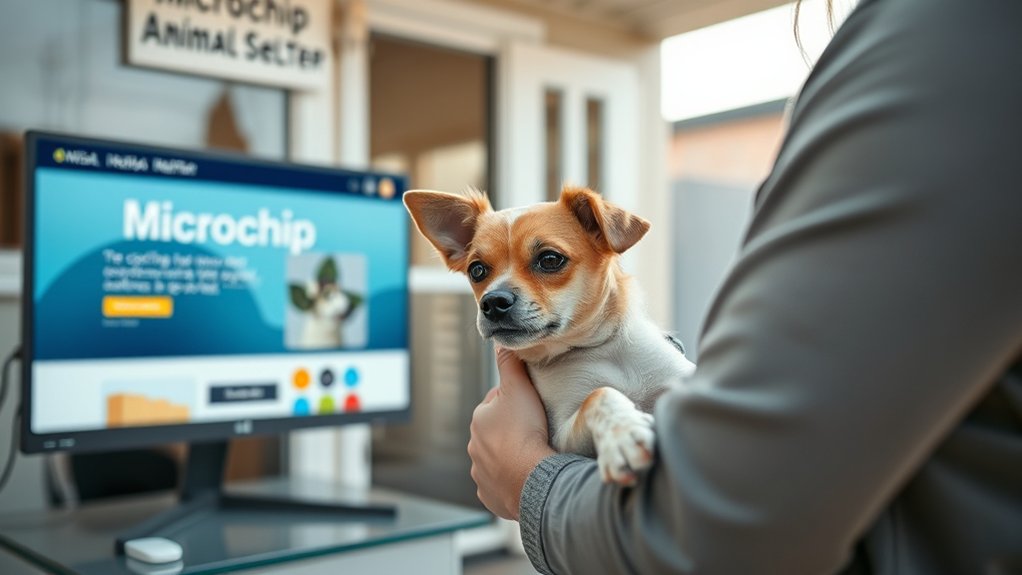
Although you’ve searched nearby, it’s essential to contact local shelters, vets, and microchip registries right away. Start by calling nearby animal shelters and veterinary clinics to report your missing dog. Provide a detailed description and mention that your dog is microchipped.
After searching nearby, immediately notify local shelters, vets, and mention your dog’s microchip when reporting them missing.
Shelters and vets often scan found animals for microchips, so your dog’s microchip benefits you by linking them to your contact info instantly.
Next, reach out to the microchip registries where your dog’s chip is registered. Confirm your contact details are up to date and report your dog as missing.
This step is critical for pet recovery because microchip databases help shelters and vets identify and reunite lost pets with their owners quickly. Don’t rely solely on one registry; check all possible registries tied to your dog’s microchip number.
Using Social Media and Community to Find Your Microchipped Dog
Since time is crucial, you should quickly harness the power of social media and your local community to find your microchipped dog. Sharing posts with clear photos and details about your dog’s microchip registration can spread the word fast. Online groups focused on pet adoption and lost pets in your area are excellent places to start.
Here’s how you can get the community involved:
- Post on local Facebook groups, Nextdoor, and Twitter to reach neighbors and animal lovers who care.
- Ask friends and family to share your post to widen your reach and create a network of people watching out.
- Contact nearby pet adoption centers and ask if they can share your dog’s info on their social channels.
Next Steps After Finding Your Microchipped Dog
Once you’ve located your microchipped dog, your focus shifts to ensuring their safety and well-being. First, check your dog for any injuries or signs of distress, and get them to a vet if needed. Confirm that the microchip implantation is still intact and functional by having a professional scan your pet. This step is essential for future identification.
Next, update your contact information with the microchip registry to avoid delays if your dog ever gets lost again. Registration updates ensure that the chip links to your current phone number and address, making reunions faster and smoother. Keep a record of your dog’s microchip number and registration details in a secure place.
Finally, reinforce your dog’s safety by updating collars and tags with your current info, and consider training or behavior assessments to help prevent future escapes. Taking these steps will help protect your canine companion long-term.
Frequently Asked Questions
How Do Microchips Work to Identify Lost Dogs?
Microchips work by storing a unique ID number linked to your contact info in a secure database, ensuring microchip security. When a lost dog is scanned, the vet or shelter retrieves this ID, helping identify your pet quickly.
The implantation procedures are simple and safe. A vet inserts the tiny chip under the dog’s skin, usually between the shoulder blades. This permanent tag stays with your dog for life.
Can a Microchip Be Scanned at Any Vet Clinic?
Ever wonder if every vet clinic can read your pet’s ID? Yes, they can! Thanks to standardized microchip placement between the shoulder blades, most vets scan with universal readers during routine veterinary procedures.
This means if your dog’s microchip is properly placed, any vet clinic should quickly access the registration info. So, don’t worry, your four-legged companion’s ID isn’t locked away at just one place. It’s available wherever they go!
How Often Should I Update My Contact Info on the Microchip Registry?
You should update your contact info on the microchip registry whenever your details change, like moving or getting a new phone number. Regular contact updates are key to ensuring you’re reachable if your dog gets lost.
Aim to review and confirm your info at least once a year. Keeping your microchip registration current increases the chances of a quick reunion, so don’t forget to stay on top of it!
Are There Any Costs Associated With Microchipping My Dog?
Think of microchip implantation as a small investment in your dog’s safe future. Yes, there are some costs involved, but they’re part of a microchip cost analysis that shows it’s usually quite affordable.
The fee covers the chip itself and the procedure, often ranging from $25 to $50. Some vets or shelters might even include it in adoption fees or offer discounts, making it a wise, budget-friendly choice for peace of mind.
Can Multiple Microchips Be Implanted in One Dog?
Yes, you can have multiple microchips implanted in one dog, though it’s uncommon. Different microchip types use various implantation procedures, but vets typically implant just one to avoid confusion.
If you choose multiple chips, make sure each uses a unique frequency and is registered properly. You’ll want to discuss this with your vet to understand any risks or complications from multiple implantation procedures before deciding.
Conclusion
Finding your microchipped dog can feel like looking for a needle in a haystack, but following these steps will make the search much easier. Start by checking your dog’s microchip info and contacting shelters, vets, and registries promptly.
Don’t underestimate the power of social media and your community. They can be game-changers when trying to locate your furry friend.
Once you’ve found your canine companion, take the necessary steps to keep them safe. Remember, persistence pays off when finding your microchipped dog!