

Should I Get a Dog?
Thinking about getting a dog but feeling overwhelmed by all the responsibilities? You’re not alone. Many people struggle with deciding if they’re truly ready to welcome a furry friend into their lives. It’s a big step that requires careful thought about your lifestyle, time, and resources.
Getting a dog means making a serious commitment to daily exercise, grooming, and training. You’ll need time, money, and a stable home environment that fits your lifestyle.
Dogs offer great health benefits but also require planning for costs, emergencies, and routines. Not every home or schedule supports a dog’s needs, so consider if you’re ready for these responsibilities.
If you want to understand what fits best for you and your situation, there’s more helpful info ahead.
Key Takeaways
- Owning a dog requires significant daily time for exercise, grooming, training, and emotional support.
- Consider your lifestyle, living space, and breed suitability to ensure a good match for your home and activity level.
- Be prepared for ongoing financial costs including veterinary care, food, supplies, and potential emergencies.
- Dogs provide health benefits like stress reduction, increased activity, and social interaction but need consistent commitment.
- Evaluate your long-term availability and consider alternative pets if your routine or space isn’t conducive to dog care.
What’s the Best Lifestyle for a Dog Owner?

Although owning a dog can bring immense joy, it demands a lifestyle that includes regular exercise, consistent routines, and plenty of attention. You’ll need to plan your days around walks, playtime, and training sessions to keep your dog happy and healthy.
Proper pet nutrition plays an essential role. Feeding your dog balanced meals tailored to their breed, age, and activity level ensures they get the right nutrients.
You can’t overlook dog grooming either. Regular brushing, nail trimming, and baths help prevent health problems and keep your dog comfortable.
If your lifestyle is hectic or unpredictable, you might struggle to provide the stability dogs need. Dogs thrive when their owners commit to their well-being, balancing physical care with emotional support.
How Much Time Does a Dog Really Need Daily?

Understanding how much time a dog needs daily helps you decide if you can meet their demands. Dogs require consistent attention, including walks, playtime, and grooming. The time commitment varies greatly based on breed selection. High-energy breeds need more exercise, while smaller or older dogs might require less.
Here’s a quick look at daily time needs:
| Activity | Time Needed (Min) | Emotional Impact |
|---|---|---|
| Exercise & Walks | 30-90 | Energizes & bonds you |
| Grooming | 10-60 | Soothes & shows care |
| Training & Play | 15-45 | Stimulates & delights |
What Health Benefits Can a Dog Bring to You?
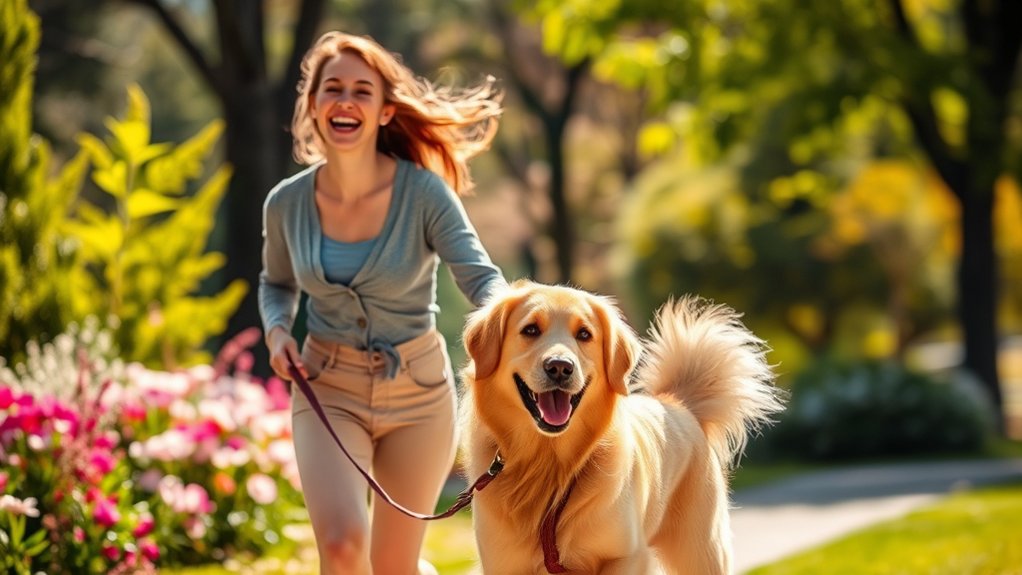
How can having a dog improve your health? Bringing a dog into your life offers more than companionship; it actively boosts your well-being. Understanding your dog’s breed history helps you appreciate their natural energy levels and exercise needs. This encourages you to stay active. Plus, paying attention to dog nutrition promotes a routine that benefits both you and your pet.
Here are key health benefits you’ll enjoy:
- Increased physical activity through daily walks and playtime.
- Reduced stress and anxiety thanks to the calming presence of your dog.
- Amplified heart health by lowering blood pressure and cholesterol.
- Improved social interactions during dog-related activities.
- Greater mental stability as caring for a dog gives you purpose and routine.
Which Dog Breeds Fit Your Personality and Home?
Which dog breed suits you best depends on your lifestyle, personality, and living situation. Some breeds need lots of exercise, while others prefer lounging at home.
Breed genetics also influence temperament and grooming needs. For example, a high-energy breed may require more dog grooming, while a low-maintenance breed might be easier to care for.
Here’s a quick guide to help you match your personality and home:
| Personality & Home | Suitable Breed |
|---|---|
| Active, outdoorsy | Border Collie |
| Apartment living, calm | French Bulldog |
| Family with kids | Labrador Retriever |
| Low grooming preference | Beagle |
| Allergy-sensitive | Poodle |
Consider your time for dog grooming and the breed genetics behind behavior and health. Choosing the right breed guarantees a happy relationship for both you and your dog.
What Are the Main Costs of Owning a Dog?
Though bringing a dog into your life brings joy, it also comes with ongoing expenses you should plan for. Understanding these costs helps you budget responsibly and guarantees your pet’s well-being.
Veterinary costs are a major part of your budget, covering vaccinations, regular check-ups, and unexpected illnesses. Dog grooming is another essential expense, especially if your breed requires regular trims or baths to stay healthy and comfortable.
Beyond these, several other costs add up monthly and yearly.
Here are the main costs you’ll face:
- Food and treats that meet nutritional needs
- Veterinary costs for routine care and emergencies
- Dog grooming to maintain coat and hygiene
- Supplies like collars, leashes, and toys
- Pet insurance or unexpected medical bills
How to Prepare Your Home for a New Dog
You’ll want to create a safe space where your new dog can feel comfortable and secure. It’s important to have all the essential supplies ready, like food, water bowls, and a cozy bed. Getting your home ready ahead of time really helps your dog settle in smoothly from day one.
Safe Space Setup
How can you create a safe and comfortable space for your new dog before they arrive? Start by designating a quiet, cozy corner where your dog can relax and feel secure. This spot should be free from hazards and distractions.
Make certain there’s easy access to fresh water and plan for proper dog nutrition with vet-recommended food. Also, arrange a veterinary care plan to keep your dog healthy from day one.
Consider these essentials for your safe space setup:
- Soft bedding for comfort and warmth
- Barrier or gate to limit access to unsafe areas
- Removal of toxic plants and small objects
- Secure electrical cords and sharp items
- Calm lighting and minimal noise to reduce stress
Preparing this way helps your dog adjust smoothly and safely.
Essential Supplies Ready
Setting up a safe space is just the beginning of preparing your home for a new dog. Next, gather essential supplies to meet their needs from day one.
Start with pet nutrition: choose high-quality food suitable for your dog’s age and breed, and have clean bowls ready for meals and water. Don’t forget grooming essentials like a brush, nail clippers, and dog shampoo to keep their coat healthy.
You’ll also need a sturdy leash, collar with ID tags, and waste bags for walks. Toys and chew items help with mental stimulation and training.
What Common Challenges Do Dog Owners Face?
You’ll quickly realize that training and behavior challenges require a lot of patience and consistency. It’s not always easy, but sticking with it really makes a difference. Plus, owning a dog means you’ll need to commit a good chunk of your time every day. Knowing what’s involved can help you figure out if having a dog fits well with your lifestyle.
Training And Behavior Issues
Although bringing a dog into your home is exciting, training and behavior challenges often test new owners. You’ll need patience and consistency to help your dog learn basic commands and proper behavior. Poor training can lead to issues like excessive barking or chewing, which can frustrate you.
Remember, a well-trained dog often responds better to grooming routines and benefits from a balanced diet, so dog nutrition plays a role in their overall behavior. Common challenges include:
- Housebreaking accidents
- Jumping on guests
- Chewing furniture or belongings
- Excessive barking or whining
- Pulling on the leash during walks
Addressing these early helps build a strong bond and a happier home for both of you. Training is an ongoing commitment, but it’s worth the effort.
Time Commitment Demands
Because dogs rely on you for their daily needs, owning one demands a significant time commitment. You’ll need to dedicate time each day to feeding, walking, and playing with your dog.
Ensuring proper pet nutrition means preparing balanced meals and monitoring their diet, which can take time and attention. Regular veterinary care is another critical responsibility. You’ll schedule and attend appointments for vaccinations, check-ups, and unexpected health issues.
Training and socializing your dog also require consistency, often daily, to prevent behavior problems. If you have a busy lifestyle, managing these tasks can become overwhelming. Before getting a dog, consider whether you can commit the necessary time to meet their physical, emotional, and medical needs. Without this, your dog’s well-being and happiness could suffer.
How to Balance Dog Care With Work and Family
Balancing dog care with work and family demands requires thoughtful planning and clear priorities. To succeed, start by choosing a breed that fits your lifestyle. Some dogs need more exercise and attention than others.
Balancing dog care with work and family starts with thoughtful planning and selecting a breed suited to your lifestyle.
Effective dog training can also ease your daily routine by teaching your dog good behavior and independence. Establish a schedule that integrates walks, playtime, and feeding around your work hours and family activities.
Don’t hesitate to ask for help from family members or consider professional dog care services when needed.
Choose a breed based on energy levels and care needs
Create a consistent daily routine for your dog
Use positive dog training techniques to encourage good habits
Delegate responsibilities among family members
Schedule quality time to bond with your dog despite a busy calendar
When Is the Right Time to Get a Dog?
Before bringing a dog home, it’s a good idea to take a look at your daily routine. You want to make sure you have enough time to give your new furry friend the care and exercise they need. Also, think about the financial side of things—like food, vet visits, and supplies—because those costs add up. And don’t forget to consider your long-term plans. You want to be sure you can offer a stable and loving environment for your dog over time.
Assess Your Daily Routine
When can you realistically fit a dog into your daily schedule? Owning a dog means consistently making time for exercise, play, feeding, and attention. You’ll also need to plan for regular dog grooming and veterinary care appointments. Take an honest look at your daily routine and commitments.
Consider these points:
- Morning and evening walks or playtime
- Time for feeding and training sessions
- Scheduling grooming appointments every few weeks
- Regular vet visits for vaccinations and check-ups
- Flexibility for unexpected needs, like illness or emergencies
If your schedule allows for these responsibilities without stress, you’re more likely to provide a happy, healthy home for a dog. Otherwise, you might want to wait or adjust your routine first.
Evaluate Financial Commitment
Since owning a dog involves ongoing expenses, you need to carefully evaluate your financial commitment before bringing one home. Dogs require food, grooming, regular vet visits, and unexpected medical care, all of which add up quickly.
Effective financial planning helps you budget for these costs without strain. Don’t forget to factor in insurance coverage, which can profoundly reduce out-of-pocket vet bills and protect you from sudden expenses.
You should also consider costs for training, supplies, and potential pet sitter fees. If your budget feels tight or unpredictable, it might be wise to wait.
Being honest about your financial readiness ensures that your dog receives the care it deserves and prevents stress for you. Evaluating your finances now makes responsible dog ownership possible.
Consider Long-Term Plans
How will your life change in the coming years? Before getting a dog, you need to think about your long-term plans carefully. Dogs live for many years, so consider how your lifestyle might shift.
Seasonal considerations matter too. Will you be able to care for a dog comfortably through harsh winters or hot summers? Check local regulations about pet ownership, including leash laws and breed restrictions, to avoid surprises.
Ask yourself:
- Will your job or living situation change soon?
- Can you commit to daily exercise and care year-round?
- Are you prepared for potential travel limitations?
- How will your family dynamics evolve?
- Do you have support for emergencies or long trips?
Planning ahead ensures you provide a stable, loving home for your new companion.
What Are Good Alternatives If a Dog Isn’t Right?
If you find that a dog doesn’t fit your lifestyle or living situation, you still have plenty of options to experience the joys of pet companionship. Pet adoption isn’t limited to dogs. You can consider adopting cats, rabbits, guinea pigs, or even birds from shelters. These alternative pets often require less space, time, and commitment compared to dogs, making them great choices if you have a busy schedule or live in an apartment.
Consider what kind of interaction you want. Cats offer affection and independence, while small mammals like hamsters provide easy care and fun observation. Fish tanks create a calming environment, and reptiles offer low-maintenance companionship. Each alternative pet has unique needs, so research their care requirements to ensure they fit your routine.
Frequently Asked Questions
How Do I Train a Dog to Behave Well in Public?
You train a dog to behave well in public by focusing on dog socialization and leash training. Start exposing your dog to different environments, people, and other animals early on to build confidence and good manners.
Use positive reinforcement during leash training, keeping your dog close and calm. Practice regularly in various public settings, rewarding calm behavior.
Consistency and patience will help your dog stay well-behaved and comfortable wherever you go.
What Vaccinations Does a New Dog Need?
You’ll need to follow a vaccination schedule that includes core shots like distemper, parvovirus, and rabies. These vaccines protect your dog from serious diseases.
Starting early helps with puppy socialization, making vet visits less stressful. Your vet will recommend the right timing, usually starting at six to eight weeks old, with boosters every few weeks.
Staying on schedule guarantees your dog stays healthy and happy as you both discover the world together.
How Do I Choose the Right Dog Food?
Choosing the right dog food feels like solving a mystery worthy of a detective! You need to focus on dog nutrition, making sure the food matches your pup’s age, size, and health needs.
Don’t forget feeding schedules; they’re essential for digestion and energy levels. Consult your vet, read labels carefully, and pick high-quality ingredients.
With the right food, your dog will be bouncing with joy and good health in no time!
Can Dogs Travel Safely on Airplanes?
Yes, dogs can travel safely on airplanes if you follow dog airline policies carefully. You’ll want to check each airline’s specific rules about crate size, health certificates, and breed restrictions.
For travel safety tips, make sure your dog is comfortable in their crate, avoid feeding them right before the flight, and keep their identification updated. Preparing ahead ensures a smooth trip for both you and your loyal companion.
What Are Signs of Common Dog Illnesses?
You’ll notice changes in appetite, energy, or behavior. That’s key to dog symptom awareness. Watch for coughing, vomiting, diarrhea, or excessive scratching.
Spotting limping, swelling, or persistent whining helps too. These signs alert you to common illnesses early, enabling timely treatment. Staying vigilant supports illness prevention, keeping your dog healthier longer.
Trust your instincts. If something feels off, consult your vet to ensure your loyal companion stays happy and well.
Conclusion
Getting a dog is like planting a seed. You nurture it with time, love, and patience, watching it grow into a loyal companion.
If you’re ready to tend this living garden, you’ll enjoy the warmth and joy it brings. But if your life feels like a stormy sea, it might be wise to wait or consider other paths.
Remember, the right time and place make all the difference in letting your bond with a dog bloom.