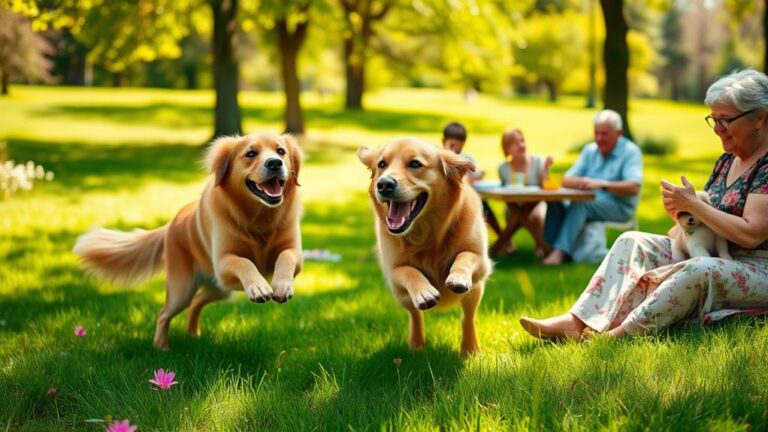

Why Do Dogs Make Good Pets?
Finding the perfect pet can be challenging, especially if you want a companion who truly fits your lifestyle and brings lasting joy. You’re not alone—many people struggle with choosing a pet that offers both emotional support and practical benefits.
You’ll find dogs make great pets because they’re loyal companions who boost your emotional well-being and keep you active. They easily fit into various living spaces and family lifestyles, adapting to your routine.
Dogs help you stay social, provide a sense of security, and are surprisingly easy to train with positive reinforcement. Their unconditional love brings joy daily.
If you keep exploring, you’ll uncover even more ways dogs enrich your life and home.
Key Takeaways
- Dogs provide loyal companionship and emotional support, reducing stress and loneliness with unconditional love.
- Regular walks and play encourage physical activity, promoting a healthy, active lifestyle for owners.
- Various breeds adapt well to different living spaces and family lifestyles, ensuring compatibility and ease of care.
- Dogs facilitate social interactions and community bonds, acting as natural ice-breakers and safety enhancers.
- Their keen senses and trainability make them effective protectors and manageable pets through consistent positive reinforcement.
Why Dogs Make Great Companions
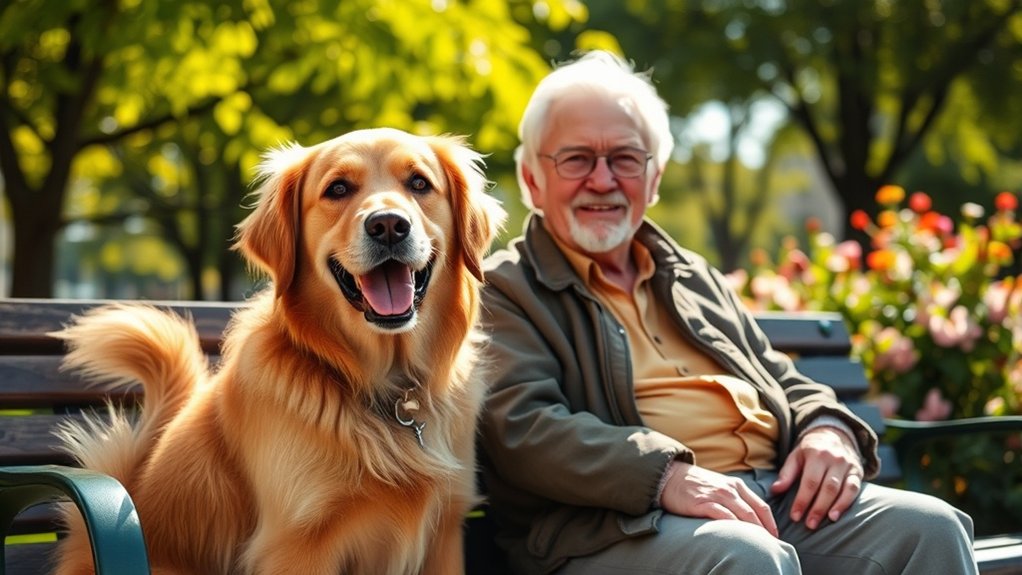
Why do dogs make such great companions? When you bring a dog into your life, you gain a loyal friend who adapts to your lifestyle. Different dog breeds offer unique traits, so you can find one that fits your personality and activity level perfectly. Whether you prefer the energetic Labrador Retriever or the calm Bulldog, there’s a breed for everyone.
Training techniques play a huge role in building that strong bond. When you consistently use positive reinforcement, your dog learns to trust and respond to you better. This makes daily interactions enjoyable and helps your dog become well-mannered. You’ll notice how training not only teaches commands but also deepens your connection.
With the right breed choice and effective training, your dog becomes more than just a pet. They become an irreplaceable companion who shares your adventures and comforts you in everyday moments.
How Dogs Support Your Emotional and Mental Well-Being

Although life can be stressful, having a dog by your side can considerably boost your emotional and mental well-being. Dogs offer consistent emotional support, helping you feel less lonely and more connected.
Having a dog by your side eases stress and provides steady emotional support, reducing loneliness and fostering connection.
When you interact with your dog, your brain releases oxytocin, a hormone that reduces stress and promotes feelings of happiness. This natural boost can improve your mental health by lowering anxiety and easing symptoms of depression.
Your dog’s unconditional love provides comfort during tough times, making it easier for you to cope with daily challenges. You can count on your dog to be a steady presence, offering reassurance without judgment.
This emotional support strengthens your resilience and encourages a positive mindset. By caring for your dog, you also develop a sense of purpose and routine, which benefits your mental health. In short, your dog isn’t just a pet, they’re an essential part of your emotional well-being.
How Dogs Help You Stay Fit and Active
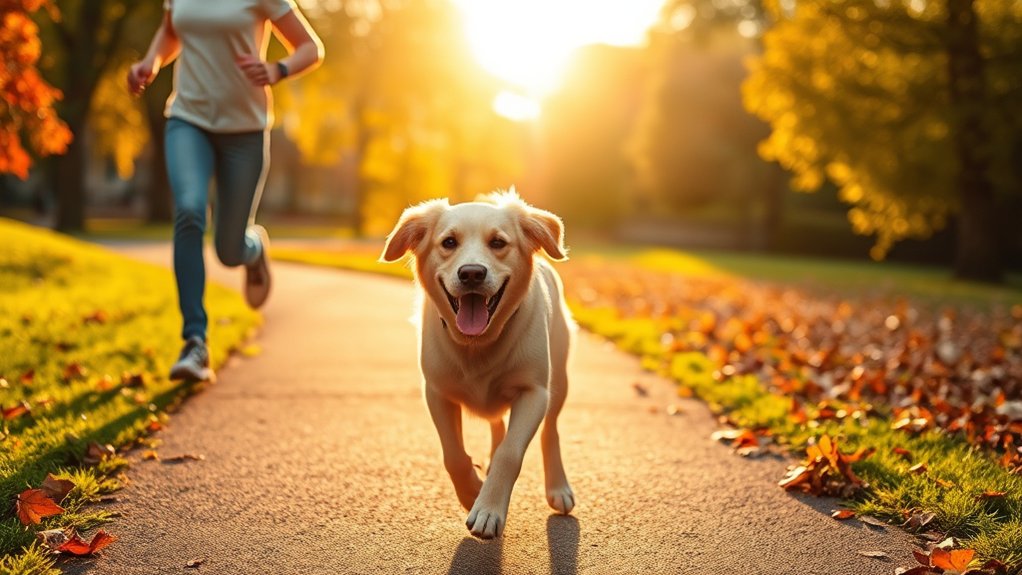
When you have a dog, daily walks just kind of fit into your routine naturally. They keep you moving without you even thinking much about it. Plus, dogs are great at getting you out to explore new parks and trails, so exercise feels more like a fun social adventure than a workout. And honestly, with your furry buddy by your side, staying fit doesn’t feel like a chore at all—it’s more like spending quality time together.
Daily Exercise Motivation
Because dogs need regular walks and playtime, they naturally encourage you to get moving every day. When you take your dog out, it’s not just about their exercise. It’s your chance to boost your own fitness.
Puppy training sessions also get you active, teaching your new friend commands while keeping you on your feet. Plus, dog grooming routines, like brushing and bathing, require you to stay engaged and attentive, helping you maintain a consistent schedule.
These daily tasks create a rhythm that motivates you to prioritize physical activity. Over time, you’ll find that caring for your dog inspires healthier habits, turning exercise into a fun, shared experience rather than a chore. Dogs truly make staying active easier and more enjoyable for you.
Social Outdoor Activities
How often do you find yourself meeting new people while out with your dog? Taking your dog for walks or to the park naturally sparks conversations, helping you build a social circle centered around shared interests.
Engaging in social outdoor activities not only keeps you active but also supports your dog’s well-being. Regular puppy training sessions in public spaces encourage both exercise and socialization for you and your dog.
Plus, after a good walk or playtime, dog grooming becomes a relaxing routine that strengthens your bond. These activities create opportunities to connect with fellow dog lovers, making fitness and friendship go hand in hand.
With your dog by your side, staying fit and active feels effortless and fun.
How Dogs Adapt to Different Living Spaces
You’ll notice dogs adjust well to all kinds of living spaces, whether you’ve got a big yard or just a cozy apartment. Their space needs can really change depending on whether they spend most of their time indoors or outdoors. Plus, their exercise routines often shift to fit both their environment and your lifestyle. It’s pretty amazing how flexible they are!
Space Requirements Vary
Although dogs come in many sizes and breeds, they can adapt surprisingly well to a variety of living spaces. Thanks to breed diversity, you can find a dog suited for almost any environment.
Space customization plays a key role in ensuring your dog feels comfortable, whether you live in a cozy apartment or a sprawling house. When considering space requirements, keep in mind:
- Smaller breeds often need less room but still require mental stimulation
- Larger breeds benefit from open areas for exercise
- Adjusting furniture and creating designated spots helps optimize space
- Regular outdoor activities complement indoor living arrangements
Indoor Versus Outdoor Living
Adjusting your dog’s living space goes beyond size; it also involves choosing between indoor and outdoor environments. You’ll find that dog breeds differ in how well they adapt. Some thrive outdoors with plenty of space, while others prefer the comfort of indoor living.
For example, larger breeds with thick coats often enjoy outdoor time, whereas smaller or more delicate breeds benefit from indoor settings. To keep your dog active inside, you can focus on indoor agility exercises that challenge their mind and body without needing a yard.
Whether you have a cozy apartment or a sprawling backyard, understanding your dog’s breed traits helps you create the best environment. This thoughtful choice guarantees your dog feels comfortable, safe, and engaged no matter where they live.
Adjusting Exercise Needs
When your dog’s living space changes, their exercise routine needs to change too. Whether you move from a house with a yard to an apartment or vice versa, you’ll need to adjust their playtime routines and leash training accordingly.
Dogs thrive when their physical activity matches their environment.
Here are some tips to help you adapt:
- Increase leash walks if outdoor space is limited
- Use interactive toys to boost indoor playtime
- Schedule regular park visits to expend energy
- Incorporate training sessions into daily routines
How Dogs Help You Build Social Connections
Because dogs naturally draw attention, they make it easier for you to strike up conversations with strangers. When you take your dog to the park or on walks, other dog lovers often approach to chat about dog grooming tips or share advice on canine nutrition. These casual exchanges can quickly turn into friendships, creating a strong sense of community around your shared interest in dogs.
Attending dog training classes or pet events also connects you with like-minded people, boosting your social circle. Plus, talking about your dog breaks the ice, making social interactions less intimidating. By caring for your dog, you naturally engage with others who appreciate the same dedication, which helps you build meaningful relationships.
Why Dogs Offer Natural Protection and Safety
You’ll appreciate how dogs stay alert and give you early warning of any unusual activity. They’re always on the lookout, ready to let you know if something doesn’t seem right. Plus, just having a dog around can discourage intruders from even thinking about approaching your home. So, let’s take a closer look at how this natural protection keeps you safe.
Alertness and Early Warning
How do dogs instinctively protect their homes and families? Different dog breeds showcase unique alertness behaviors that help them sense unusual activity quickly. When something’s off, your dog’s keen senses kick in, alerting you well before you notice any danger.
You’ll appreciate how their natural vigilance keeps your household safe.
Here are some key alertness behaviors to watch for:
- Barking or growling at unfamiliar sounds or sights
- Intense staring or focused attention on strange movements
- Pacing or restless behavior indicating heightened awareness
- Quick response to doorbells or footsteps
Deterrence Against Intruders
What keeps intruders from targeting your home? Dogs act as a natural deterrent, enhancing your security measures and boosting neighborhood safety. Their presence alone can discourage potential threats, making your property less appealing to intruders.
Unlike alarms or cameras, dogs offer a living, breathing layer of protection that responds in real-time.
Consider these factors showing how dogs contribute to your home security:
| Factor | Impact on Security Measures | Effect on Neighborhood Safety |
|---|---|---|
| Barking | Alerts you and neighbors | Warns community of danger |
| Territorial Behavior | Guards property boundaries | Reduces crime in area |
| Scent Marking | Identifies intruders | Deters repeat offenders |
| Physical Presence | Intimidates intruders | Encourages vigilance |
| Loyalty | Remains protective | Builds trust within community |
With dogs, you get more than a pet. You gain a proactive partner in safety.
Why Dogs Are Easy to Train and Care For
Although training a new pet can seem intimidating, dogs are surprisingly quick learners who respond well to consistent guidance. When you use effective training techniques, your dog picks up commands and behaviors faster than you might expect. Plus, establishing simple care routines makes daily maintenance straightforward and enjoyable.
To help you get started, keep these points in mind:
- Use positive reinforcement to encourage good behavior.
- Keep training sessions short and focused to maintain your dog’s attention.
- Stick to regular feeding, grooming, and exercise schedules.
- Be patient and consistent to build trust and understanding.
Why Dogs Fit Well Into Families of All Sizes
Because dogs adapt easily to different lifestyles, they make great companions for families of all sizes. Whether you live in a cozy apartment or a spacious house, you can find a dog breed that suits your environment perfectly.
Thanks to breed diversity, there’s a dog for every family dynamic, from lively retrievers for active households to calm bulldogs for quieter ones. You’ll appreciate how dog grooming needs vary, allowing you to choose a pet that fits your schedule and commitment level.
Smaller breeds often require less grooming and exercise, making them ideal for smaller families or busy individuals. Larger breeds can thrive with active families who enjoy outdoor activities.
No matter your family’s size or lifestyle, dogs blend seamlessly into your daily routine, offering companionship and joy. By matching a dog’s traits to your household’s needs, you create a harmonious relationship that benefits everyone involved.
How Having a Dog Improves Your Daily Routine
When you bring a dog into your life, your daily routine quickly gains structure and purpose. You’ll find yourself waking up earlier, motivated to walk and feed your canine companion on a consistent schedule. This regularity helps organize your day and boosts your productivity.
Beyond exercise, taking care of your dog encourages you to maintain other healthy habits like dog grooming and scheduling veterinary care. These routines keep both you and your pet in good shape.
Here’s how having a dog improves your daily routine:
- Set specific times for walks and play, adding consistency to your day
- Incorporate grooming sessions that promote relaxation and bonding
- Schedule regular veterinary care, enhancing your responsibility and planning skills
- Develop a habit of mindful breaks, reducing stress and improving mental health
Owning a dog naturally encourages a balanced, active lifestyle that benefits both you and your pet.
How Dogs Bring Joy and Unconditional Love
If you’ve ever felt the pure joy a dog brings, you know their love is truly unconditional. No matter your mood, a wagging tail or a warm nuzzle can lift your spirits instantly.
Thanks to breed diversity, you can find a dog perfectly suited to your lifestyle and personality, whether you want an energetic companion or a calm presence. This variety means there’s a dog ready to bring joy tailored to you.
Training techniques strengthen your bond, turning simple interactions into meaningful connections. When you teach your dog new commands or tricks, you engage their mind and deepen trust.
This ongoing communication creates a special relationship where love flows freely. Dogs don’t judge; they love you as you are. By welcoming a dog into your life, you invite unmatched happiness and unwavering affection every single day.
Frequently Asked Questions
What Are Common Health Issues in Different Dog Breeds?
You’ll find that breed specific health issues vary widely, so it’s important to research your dog’s breed. Common dog ailments include hip dysplasia in larger breeds, breathing problems in brachycephalic dogs like Bulldogs, and heart disease in smaller breeds.
You’ll also want to watch for skin allergies, ear infections, and dental problems, which can affect many breeds. Staying informed helps you catch these issues early and keep your dog healthy.
How Do I Choose the Right Dog Breed for My Lifestyle?
You should consider that 60% of dog owners say their breed’s characteristics fit their lifestyle perfectly. Start by researching breed characteristics like energy levels and grooming needs. If you’re busy, pick a low-maintenance breed.
Dog training also matters. Some breeds learn faster and suit first-time owners better. Match your daily routine and activity level with a breed’s traits, and you’ll find a dog that fits seamlessly into your life.
What Vaccinations Do Dogs Need and When?
You’ll need to follow dog vaccination schedules carefully to keep your pup healthy. Puppies usually get their first shots at 6-8 weeks, including distemper, parvovirus, and rabies later on.
Boosters come every 1-3 years depending on the vaccine. Pet vaccination importance can’t be overstated. It protects your dog from serious diseases and keeps your whole family safe.
Always check with your vet to tailor the schedule to your dog’s needs.
How Do Dogs Communicate Their Needs and Feelings?
You might notice your dog’s tail wagging just as they start to bark. This coincidence isn’t random. Dogs communicate their needs and feelings through dog body language and barking signals.
A wagging tail usually means excitement or happiness, while different barks can signal alertness, fear, or a desire for attention. By paying close attention to these signs, you’ll better understand what your dog wants or how they’re feeling at any moment.
What Are the Costs of Owning a Dog Long-Term?
You’ll face long-term costs like vet bills, food, and grooming. Training challenges can add expenses, especially if your dog has breed specific behaviors that require extra attention or professional help.
Some breeds need more exercise or mental stimulation, which means investing in toys or classes. Over time, these costs add up, so you should budget carefully and be ready for the commitment to keep your dog healthy and happy.
Conclusion
So, if you’re looking for a roommate who never pays rent, insists on daily walks, and occasionally chews your favorite shoes, a dog’s your best bet. They’ll boost your mental health, keep you fit, and make sure your social calendar’s never empty because who doesn’t want a furry alarm clock and personal trainer rolled into one?
Welcome the chaos; after all, unconditional love and slobbery kisses are totally worth it. That’s why dogs make good pets.