How to Put Your Dog Up for Adoption Step by Step
If you’re facing the difficult decision to put your dog up for adoption, you’re not alone. Many pet owners struggle with finding the best way to ensure their furry friend ends up in a loving home. It can feel overwhelming, but with the right guidance, you can make the process smoother for both you and your dog.
If you need to put your dog up for adoption, start by honestly evaluating if you can provide proper care. Gather all health and behavior details, then choose a trustworthy adoption method like a shelter or rescue.
Create a clear, honest profile with good photos, and prepare your dog for a smooth shift. Finish with an adoption agreement and offer support to the new family.
Follow these steps, and you’ll be ready to guarantee your dog finds a loving new home while learning how to make the process smoother.
Key Takeaways
- Assess your ability to care for the dog and make sure you’re following local laws before you decide to rehome. It’s important to be honest with yourself about what you can handle.
- Gather all health records and be upfront about your dog’s behavior and personality traits. This helps find the right match and ensures the new owner knows what to expect.
- Choose a reputable adoption method. Then, create appealing photos and profiles to attract suitable adopters who will give your dog a loving home.
- Prepare your dog by setting up a safe space and gradually introducing them to new environments and people. This helps ease the transition.
- Formalize the adoption with a signed agreement. Also, provide ongoing support to the new owner to make sure your dog adjusts well.
Knowing When It’s Time to Find a New Home for Your Dog

How do you know when it’s time to find a new home for your dog? You’ll want to assess your emotional readiness first. If caring for your dog has become overwhelming or you’re no longer able to provide the attention and care they deserve, it’s a sign to consider adoption.
Recognize when caring for your dog feels overwhelming or you can’t give them the care they need.
This decision isn’t easy, but acknowledging your limits helps you act responsibly.
Along with emotional readiness, don’t overlook legal considerations. Check local laws regarding pet ownership, as some areas have specific rules about rehoming animals.
You might need permission from landlords or comply with breed-specific legislation. Ensuring you meet these legal requirements protects both you and your dog during the transition.
Collect Key Health and Behavior Info About Your Dog

Before you start the adoption process, it’s a good idea to gather your dog’s medical history. This includes vaccinations and any ongoing treatments.
Also, take note of key behavioral traits like temperament and social skills.
Having this information ready really helps potential adopters get a clear picture of your dog’s needs and personality.
Medical History Overview
Gathering key medical and behavioral information about your dog plays a crucial role in finding the right adopter. Start by collecting all veterinary records, including vaccination history, past illnesses, surgeries, and ongoing treatments.
These documents give potential adopters a clear picture of your dog’s health status. Be honest about any chronic conditions or allergies your dog has experienced.
Share your dog’s health history, such as spaying or neutering status and any recent vet visits. Having this information ready helps adopters prepare for future care and builds trust.
Providing a thorough medical history ensures your dog receives proper attention and a smooth progression to their new home. Always keep these records organized and easily accessible for anyone interested in adopting.
Behavioral Traits Summary
Along with medical details, understanding your dog’s behavior helps find the best match for adoption. Collect key info about their temperament, quirks, and how they interact with people and other pets. This guarantees the new owner is prepared and the dog thrives in their new home.
Focus on these areas:
- Response to training techniques you’ve used, like commands or crate training
- Socialization strategies that work best, such as interaction with children or other animals
- Any behavioral challenges, like separation anxiety or fear triggers
- Energy levels and play preferences to match lifestyle needs
Providing this clear behavioral summary helps adopters connect with your dog’s unique personality, promoting a smooth transition and lasting bond.
How to Choose the Right Adoption Method for Your Dog
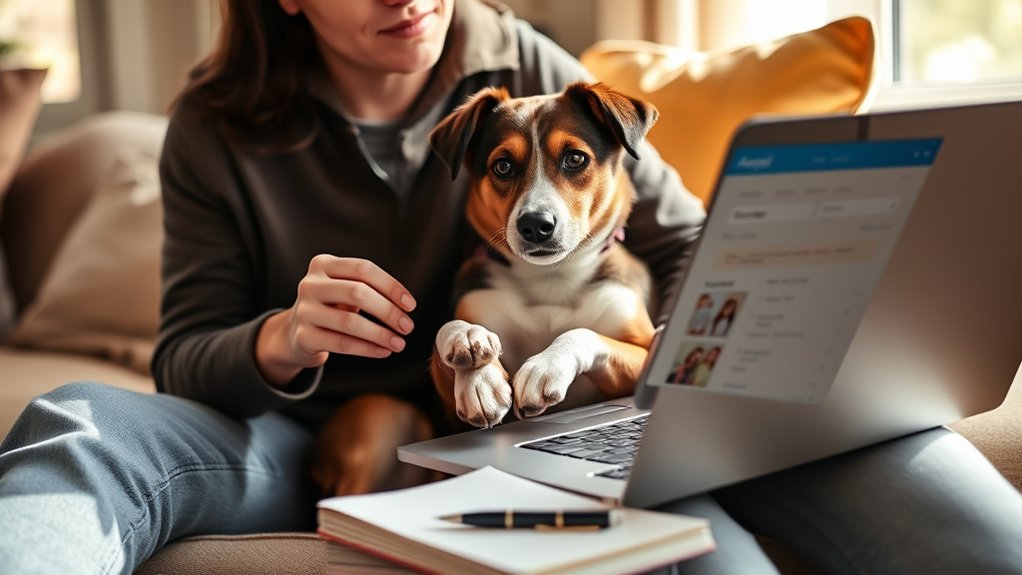
You’ll want to look at different adoption options to find the best fit for your dog’s needs. Think about things like their temperament, health, and any special requirements they might have. It’s also a good idea to check out each adoption process carefully to make sure it goes smoothly and is reliable for both you and your new furry friend.
Evaluate Adoption Options
How do you decide which adoption route suits your dog best? You’ll want to evaluate options carefully to ensure a smooth transition. Start by considering these key factors:
Local animal shelters handle adoption paperwork and often provide basic dog training. Breed-specific rescues understand your dog’s unique needs. Private adoptions through friends or social media allow for direct communication and screening. Professional adoption agencies offer support throughout the process.
Each option has its pros and cons, so weigh them against your dog’s personality and your timeline. Remember, clear adoption paperwork is crucial to protect both you and the new owner. Taking time to evaluate these paths helps you find the best fit, setting your dog up for a happy, secure future.
Consider Dog’s Needs
What does your dog truly need in a new home? Understanding their specific needs helps you choose the right adoption method. Think about their daily routine, diet, and behavior.
Proper dog nutrition is essential, so the new family must be ready to maintain a healthy feeding schedule. Also, consider any training techniques your dog responds well to, ensuring a smoother shift.
| Needs | Details |
|---|---|
| Nutrition | Balanced diet, feeding times |
| Training Techniques | Commands, behavior management |
| Environment | Space, activity level |
Assess Adoption Process
When deciding on the best adoption route for your dog, consider factors that match their unique needs and personality. Choosing the right method guarantees your dog lands in a loving, compatible home. Start by evaluating:
- Training techniques your dog responds to, as some adopters may prefer pets with basic obedience.
- Dietary considerations, especially if your dog requires a special diet that new owners must maintain.
- The type of adopter who fits your dog’s energy level and temperament.
- Whether a shelter, rescue group, or private adoption aligns with your dog’s health and social needs.
Write an Honest and Caring Adoption Description
Why does your dog stand out from the rest? Start by highlighting their unique personality traits and quirks that make them special. Be honest about their behavior, energy levels, and any puppy training they’ve completed to help potential adopters understand what to expect.
Clear breed identification is essential too. Include the breed or mix so adopters know if your dog suits their lifestyle. Mention any health conditions or special needs openly; honesty builds trust and guarantees your dog finds the right home.
Describe how your dog interacts with people and other pets, and share what kind of environment they thrive in. This caring approach not only respects your dog’s individuality but also helps match them with a compatible family.
Keep your description straightforward and heartfelt so interested adopters feel informed and connected from the start.
Take Great Photos and Videos to Showcase Your Dog
After crafting a heartfelt description, bring your dog’s personality to life through photos and videos. Well-groomed dogs always catch the eye, so start with proper dog grooming to make your pet look their best. A shiny coat and trimmed nails show you care, while good pet nutrition contributes to that healthy glow.
Capture your dog’s charm by focusing on these key tips:
- Use natural light to highlight your dog’s features.
- Show your dog in action, playing, walking, or cuddling.
- Include close-ups that reveal their expressive eyes.
- Choose clean, simple backgrounds to keep the focus on your dog.
Keep videos short and genuine, showcasing your dog’s unique traits and energy. These visuals help potential adopters connect emotionally, increasing the chances of finding a loving home quickly. Remember, a picture or video is worth a thousand words when it pertains to adoption success.
Screen Potential Adopters for Your Dog
How do you guarantee your dog finds a safe and loving home? Start by carefully screening potential adopters. Ask about their experience with dogs and their knowledge of dog nutrition to ensure they’ll provide a healthy diet.
Inquire about their familiarity with training techniques to confirm they can maintain or improve your dog’s behavior. Request references or speak with their veterinarian to verify their commitment.
Be clear about your dog’s needs, including exercise, medical care, and any special attention. Observe how potential adopters interact with your dog during meetings; their patience and gentleness reveal a lot.
Don’t hesitate to ask detailed questions about their living environment and work schedule to see if it suits your dog’s lifestyle. This thorough screening helps you feel confident your dog will thrive in a new home surrounded by people who understand how to care for them properly.
Plan a Safe, Comfortable Transition to a New Home
You’ll want to get your dog’s new space ready with some familiar items. This really helps them feel secure. And try to keep their usual routines as consistent as possible while you’re making the move. It also helps to introduce the new environment little by little, so they can adjust more easily.
Prepare Your Dog’s Space
While preparing your dog for adoption, creating a safe and comfortable space is essential to ease their shift to a new home. You want to make sure your dog feels secure and relaxed during this changeover. Focus on areas where your dog spends most of their time and include familiar items to reduce stress.
Here’s how to prepare your dog’s space effectively:
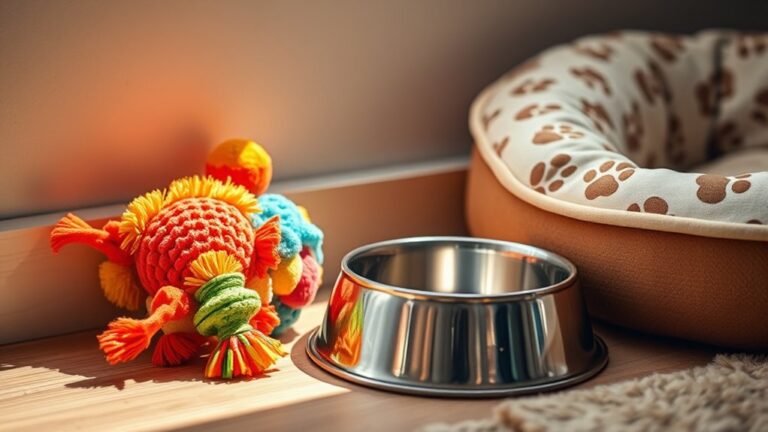
Provide a cozy bed or crate as a personal retreat. Keep fresh water and balanced pet nutrition nearby. Include favorite toys that support dog training and mental stimulation. Arrange the area away from loud noises or heavy foot traffic.
Maintain Familiar Routines
Although your dog faces a big change, maintaining their familiar routines helps reduce anxiety and builds trust during the shift. Keep feeding times consistent to support good dog nutrition, using the same food and portions your dog is used to. This stability comforts them and avoids digestive upset.
Stick to your regular training techniques, like commands and reward systems, to provide structure and reassurance. Continue daily walks and playtimes at usual intervals to reinforce normalcy. By holding onto these routines, you help your dog feel safe and secure despite the upcoming changes.
This steady approach lays a foundation for a smooth transition and shows potential adopters your dog’s well-maintained habits, making the adoption process easier for everyone involved.
Introduce New Environment Gradually
Since your dog is adjusting to a big change, introduce their new environment gradually to help them feel safe and comfortable. Start by using gentle training techniques to build trust and confidence.
Apply socialization strategies that expose your dog to new sights and sounds at a slow, manageable pace. Here are some key steps to ease the progression:
- Set up a quiet, familiar space with your dog’s favorite items.
- Allow your dog to investigate the new home in short, supervised sessions.
- Use positive reinforcement to encourage calm behavior and exploration.
- Introduce new people and pets gradually, observing your dog’s reactions.
Finish the Adoption With a Simple Agreement
Before handing over your dog to their new family, you’ll want to finalize the adoption with a simple agreement that outlines basic expectations and responsibilities. This agreement should include details about pet training, ensuring the new owners understand any ongoing needs or methods that work best for your dog. Clearly stating these expectations helps prevent misunderstandings and supports your dog’s smooth transition.
Make sure to prepare adoption paperwork that records essential information like health history, vaccination records, and any special care instructions. Both you and the adopter should sign this paperwork to create a clear, legal understanding of the transfer. This step protects everyone involved and confirms the adopter’s commitment to providing a safe, loving home.
Follow Up to Support Your Dog’s New Family
When you hand your dog over to their new family, staying in touch can make a big difference in how well your dog adjusts. Offering ongoing support helps the new owners manage any challenges and guarantees your dog thrives in their new home. You can assist by sharing tips on dog training and behavior modification, which often ease the changeover.
Here’s how to follow up effectively:
Check in regularly to see how your dog is settling in.
Offer advice on dog training techniques to address any behavior issues.
Recommend resources or local trainers specializing in behavior modification.
Encourage open communication so the new family feels comfortable asking questions.
Tips for Making the Adoption Process Positive for Everyone
Creating a positive adoption experience benefits both you and your dog’s new family by building trust and securing a smooth shift. To make this process easier, clearly communicate your dog’s training techniques and nutritional needs upfront. Share details about commands your dog knows, any behavior quirks, and preferred feeding routines. This transparency helps the adopter prepare and maintain consistency, reducing stress for everyone involved.
Encourage potential adopters to ask questions and observe your dog’s behavior in a calm environment. Offering written notes or a care guide can reinforce what you’ve shared. Also, be patient during meetings; your dog may need time to warm up.
Finally, reassure the family that you’re available for follow-up support, showing you care about your dog’s continued happiness. These steps ensure a respectful, informed, and positive adoption experience for all.
Frequently Asked Questions
Can I Adopt Out My Dog Without a Fee?
Yes, you can adopt out your dog without a fee, but you should consider financial things like covering vet bills or vaccinations beforehand. Offering your dog for free might attract less serious adopters, so it’s smart to include training tips or notes to show your dog’s value and needs.
This helps make sure your dog goes to a responsible home, even if you’re not charging an adoption fee.
What Legal Responsibilities Do I Have After Adoption?
You might think once your dog’s adopted, your legal obligations vanish, but that’s not entirely true. You still have post adoption responsibilities like guaranteeing the transfer of ownership is documented and providing honest health and behavior information.
Some regions require a formal contract or notification to local authorities. Staying aware of these legal obligations protects you from future liability and ensures the dog’s well-being in its new home.
How Do I Handle Emotional Stress From Rehoming My Dog?
You’ll need emotional support to handle the stress of rehoming your dog. Reach out to friends, family, or support groups who understand your feelings. Use coping strategies like journaling, exercising, or practicing mindfulness to process your emotions.
Are There Breed-Specific Adoption Restrictions?
You might think breed restrictions are just a myth, but they’re very real in many places. Adoption regulations often include breed-specific adoption restrictions, especially for breeds labeled as “dangerous” or “high-risk.”
These rules can limit who can adopt certain dogs or even prohibit their adoption altogether. So before you start, check local laws and shelter policies to understand any breed restrictions that could affect your dog’s adoption options.
Can I Get My Dog Back if the Adoption Fails?
Yes, you can often get your dog back if the adoption fails, but it depends on the adoption process you agree to. Many adoption contracts include a clause allowing you to reclaim your dog if the new home doesn’t work out.
To protect your dog and yourself, follow rehoming tips like clearly stating this in the agreement and staying involved. That way, you guarantee your dog’s safety throughout the shift.
Conclusion
Letting your dog go may feel like closing a beloved chapter, but it’s also opening a new door full of hope. By sharing their story honestly and preparing them carefully, you’re planting seeds for a brighter future.
Remember, every wagging tail and joyful bark in their new home is proof of your love and care. You’re not just finding a new owner; you’re creating a fresh start filled with possibility when you put your dog up for adoption.