
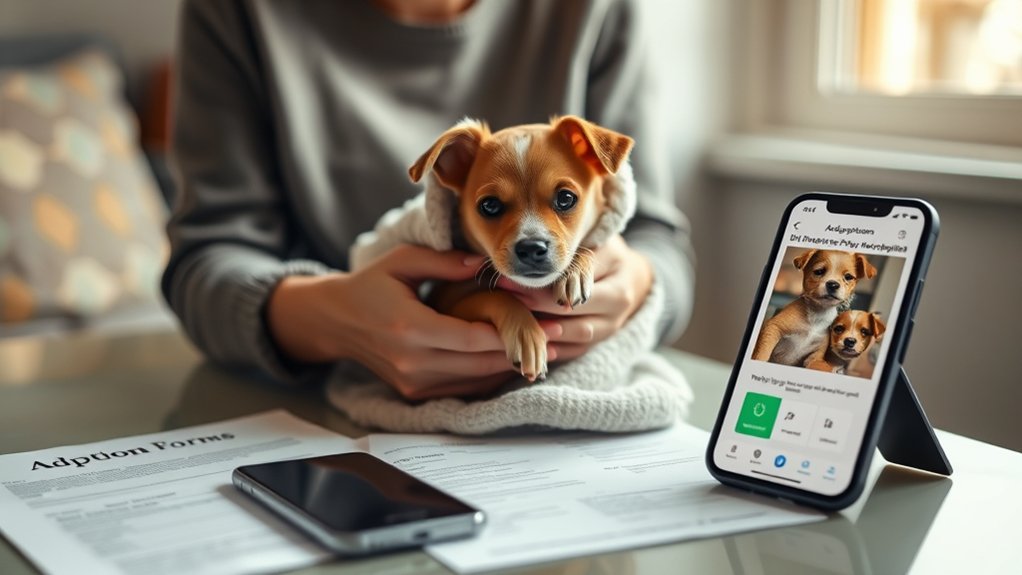
7 Steps to Put Your Pet Up for Adoption
Deciding to put your pet up for adoption can feel overwhelming, and you’re definitely not alone. Many pet owners struggle with this difficult choice, wanting the best for their furry friends but unsure where to start. If you’ve been searching for a clear, compassionate guide to help you through the process, you’re in the right place.
To put your pet up for adoption, first decide if it’s the best choice for their well-being. Prepare their health and behavior with vet visits and training.
Gather all essential documents and create an honest pet profile highlighting their personality and needs.
Consider adoption options like shelters or rescue groups and carefully screen potential adopters.
Plan a seamless shift and follow up to support both pet and new family.
Keep going to learn how to handle each step effectively.
Key Takeaways
- Assess your pet’s health, behavior, and environment to ensure adoption is the best option for their well-being.
- Gather medical records, training details, and create an honest, appealing pet profile highlighting their unique traits.
- Explore adoption channels like shelters, breed rescues, and online platforms to find suitable adopters.
- Screen potential adopters carefully to verify their experience, lifestyle, and ability to meet your pet’s needs.
- Plan a smooth transition by sharing routines, supporting introductions, and providing ongoing follow-up after adoption.
Decide If Adoption Is Right for Your Pet

Before you begin the adoption process, you need to honestly assess whether adoption is the best choice for your pet’s well-being. Consider your pet’s current environment and whether it meets their physical and emotional needs. If circumstances have changed and you can’t provide adequate care, adoption might be the right step.
Review your pet licensing status to ensure they’re legally registered; this can impact the adoption process and transfer of ownership. Having updated veterinary records ready is essential. It shows potential adopters your pet’s health history and vaccinations, building trust.
Ensure your pet’s licensing and veterinary records are up-to-date to facilitate a smooth adoption and build adopter trust.
Think about your pet’s temperament and how they interact with others. Some pets adapt well to new homes, while others may struggle. By carefully weighing these factors, you’ll make a responsible decision that prioritizes your pet’s happiness and safety.
Taking this honest look upfront guarantees you’re setting your pet—and yourself—up for a smoother adoption journey.
Prepare Your Pet’s Health and Behavior for Adoption

Although preparing your pet for adoption can feel overwhelming, focusing on their health and behavior boosts their chances of finding a loving home quickly. You want to present your pet at their best, so start by ensuring proper pet nutrition to keep them energetic and healthy.
Behavioral training is just as important. Well-mannered pets are more appealing and easier to place.
Here are four essential steps to prepare your pet:
- Schedule a vet check-up to update vaccinations and address any health issues.
- Improve pet nutrition by feeding balanced meals to boost their coat and vitality.
- Work on behavioral training, focusing on basic commands and socialization.
- Address any anxiety or fear triggers to help your pet feel comfortable around new people.
Gather Important Information and Documents for Adoption

Once your pet’s health and behavior are in good shape, gathering all necessary information and documents will make the adoption process smoother. Start by compiling medical records, including vaccination history, spaying or neutering certificates, and any ongoing treatments. This helps potential adopters understand your pet’s health status.
Next, detail your pet training routines; mention commands they know or any behavioral improvements you’ve worked on. This information reassures adopters about your pet’s readiness for a new home. Be clear about any special needs or preferences your pet has to set accurate expectations.
Also, prepare to discuss adoption fees, explaining what they cover and why they’re necessary. Transparency about fees can prevent misunderstandings later. Finally, gather identification documents like microchip registration info and licensing papers.
Having everything organized shows you’re responsible and committed to finding the best home for your pet, speeding up the adoption process effectively.
Explore Adoption Options: Shelters, Rescues, and Online Platforms
You’ll want to consider different places to find a new home for your pet, like local animal shelters or breed-specific rescue groups. These spots often have people who really understand the needs of certain animals. Plus, online platforms can be super helpful—they connect you with potential adopters quickly and easily. Checking out these options gives you a better chance of finding the perfect fit for your pet’s needs.
Local Animal Shelters
Many local animal shelters offer reliable ways to find a new home for your pet while ensuring they receive proper care. These shelters often provide essential veterinary care and pet training to prepare your pet for adoption, making the changeover smoother for both you and the new family.
Here’s why choosing a local shelter matters:
- They offer a safe, nurturing environment where your pet gets daily care and socialization.
- Veterinary professionals monitor your pet’s health, addressing any medical needs promptly.
- Trained staff and volunteers provide pet training to improve behavior and adoptability.
- You’ll feel confident knowing your pet is in a trusted place dedicated to their well-being.
Breed-Specific Rescue Groups
Several breed-specific rescue groups focus exclusively on rehoming particular dog or cat breeds, offering tailored care and expertise that general shelters might not provide. When you choose breed specific rescue groups, you tap into a network familiar with your pet’s unique needs, temperament, and health issues.
These groups often provide specialized training to prepare pets for adoption and help new owners understand breed-specific behaviors. They’re equipped to handle breed-related challenges and can match your pet with the right adopter more effectively.
Popular Adoption Websites
Finding the right platform to list your pet for adoption can make all the difference in connecting with caring adopters quickly. Popular adoption websites offer a variety of tools to showcase your pet’s unique personality, medical history, and training status.
They help highlight important details like pet training progress and veterinary care records, building trust with potential adopters.
Here are four popular websites to contemplate:
- Petfinder A trusted site with a vast network of shelters and rescues.
- Adopt-a-Pet Focuses on connecting pets with local adopters easily.
- Rescue Me! Great for breed-specific searches and rescue groups.
- Facebook Pet Adoption Groups Offer community support and direct communication.
Using these platforms ensures your pet finds a loving home faster.
Create a Caring and Honest Pet Profile for Adoption
You’ll want to highlight your pet’s unique traits to help them stand out to potential adopters. It’s important to be honest about their health and any special needs they may have. Also, sharing details about their daily routine can really help ensure a smooth transition to their new home.
Highlight Unique Pet Traits
One of the most important steps in creating a pet profile is showcasing the unique traits that make your pet special. Highlighting your pet’s personality helps potential adopters connect emotionally and envision life with them. Focus on what sets your pet apart.
Here are four ways to highlight your pet’s unique traits:
- Describe their playful or calm nature to reveal their pet personality.
- Share quirky habits or favorite activities that make them memorable.
- Mention how they interact with people or other animals to show their social style.
- Include any special talents or tricks that demonstrate their charm.
Provide Accurate Health Details
Along with showcasing your pet’s personality, providing clear and honest health information builds trust with potential adopters. Be upfront about your pet’s medical history, including vaccinations, any chronic conditions, and recent veterinary visits.
Share details about their current pet nutrition, noting any special dietary needs or restrictions. This transparency helps adopters prepare for their new companion’s care and makes the transition smoother.
If your pet requires medication or has undergone recent treatments, include that information too. Accurate health details show you care deeply about your pet’s well-being and want the best match possible.
Share Daily Routine Preferences
How does your pet like to spend their day? Sharing your pet’s daily routine helps potential adopters understand their needs and personality. Be sure to include details about their feeding schedule, playtime, and rest periods. This honesty builds trust and guarantees a smoother shift for your pet in their new home.
Consider including:
- Specific feeding schedule times and favorite treats.
- Preferred activities or toys during playtime.
- Quiet spots or nap habits your pet enjoys.
- Any special routines that comfort them, like walks or cuddles.
How to Screen Potential Adopters Carefully
Although it can be tempting to quickly find a new home for your pet, you need to carefully screen potential adopters to guarantee your pet’s safety and happiness. Start by understanding adopter motivations. Why do they want to bring a pet into their life? Genuine adopters usually seek companionship, not convenience or status.
Carefully screening adopters ensures your pet finds a safe, loving home with genuine companionship in mind.
Use thoughtful screening questions to uncover their experience with pets, lifestyle, and ability to meet your pet’s specific needs. Ask about their home environment, work schedule, and how they plan to handle training or medical care.
Don’t hesitate to verify references or request a home visit if possible. These steps help assure the adopter can provide a stable, loving environment. Remember, your goal is to protect your pet from being placed in unsuitable situations.
Taking the time to screen carefully will give you peace of mind and help your pet thrive in their new home.
Plan a Smooth Transition and Follow Up After Adoption
Once you’ve found the right adopter, your work isn’t over. Planning a smooth handover is vital for your pet’s well-being and helps guarantee the adoption process succeeds. Pay attention to your pet’s behavior as they adjust to a new home, and support both your pet and adopter during this time.
Here’s how to help:
- Share detailed information about your pet’s routines and preferences to ease their adjustment.
- Arrange a gradual introduction, if possible, so your pet acclimates to the new environment without stress.
- Stay in touch regularly to check on your pet’s progress and offer advice on behavior or care.
- Encourage the adopter to reach out with questions or concerns, reinforcing a supportive relationship.
Following up after adoption shows you care and helps your pet thrive in their new family.
Frequently Asked Questions
Can I Adopt Out My Pet to Someone in Another State?
Yes, you can adopt out your pet to someone in another state through long distance adoption or interstate rehoming. You’ll need to carefully vet the adopter to make certain they’re a good fit and discuss transportation logistics, like how your pet will travel safely.
Be sure to verify any state regulations or quarantine rules that might apply. Communicating clearly and planning thoroughly makes long distance adoption a smooth process for both you and your pet.
What Legal Responsibilities Do I Have After Rehoming My Pet?
You have legal obligations even after rehoming your pet, like ensuring the new owner is responsible and informed about the pet’s needs. Your post adoption responsibilities include transferring ownership properly, updating microchip info if applicable, and providing medical records.
You should also confirm the adopter agrees to care for your pet’s well-being. Staying involved initially can help guarantee your pet’s safe handover and ongoing care.
How Do I Handle Pets That Don’T Get Adopted Quickly?
If your pet faces adoption delays, keep them comfortable and socialized during shelter waiting. You can boost their chances by updating photos, sharing stories online, and asking friends to help spread the word.
Stay patient and stay connected with potential adopters. Sometimes, adjusting your pet’s profile or offering meet-and-greet opportunities can speed things up.
Are There Tax Benefits for Putting My Pet up for Adoption?
You generally won’t get tax benefits for putting your pet up for adoption because pets are considered personal property. However, if you donate money or supplies to a qualified animal shelter, you might qualify for donation deductions.
Keep in mind the tax implications vary, so you should keep receipts and consult a tax professional to understand what qualifies. Directly giving up your pet usually doesn’t offer tax breaks or deductions.
Can I Include Special Care Instructions With the Adoption?
Yes, you can definitely include special care and instruction details when putting your pet up for adoption. It’s important to share any unique needs or routines your pet requires to guarantee their well-being.
Providing clear instruction details helps the new owner give your pet the best possible care. This transparency can make the shift smoother and give you peace of mind knowing your pet’s needs are understood.
Conclusion
Deciding to put your pet up for adoption isn’t easy, but it’s often the kindest choice for their future. By preparing their health, gathering important info, and carefully screening adopters, you’re ensuring they find a loving home.
Remember, you’re not just passing on a pet, you’re giving them a second chance at happiness. So, ask yourself: isn’t every pet worth a fresh start filled with care and love? Putting your pet up for adoption means opening the door to a brighter, more loving life for them.